Siamese: Is This the Right Cat for You?
Breed at a Glance
| Attribute | Detail |
|---|---|
| Origin | Thailand (historically Siam) |
| Size | Medium; modern type slender, traditional type sturdier |
| Weight | Modern type 2.5 – 5 kg; traditional type 4 – 6.5 kg |
| Lifespan | 12 – 20 years, commonly 15 or more |
| Coat | Very short, close-lying, minimal undercoat |
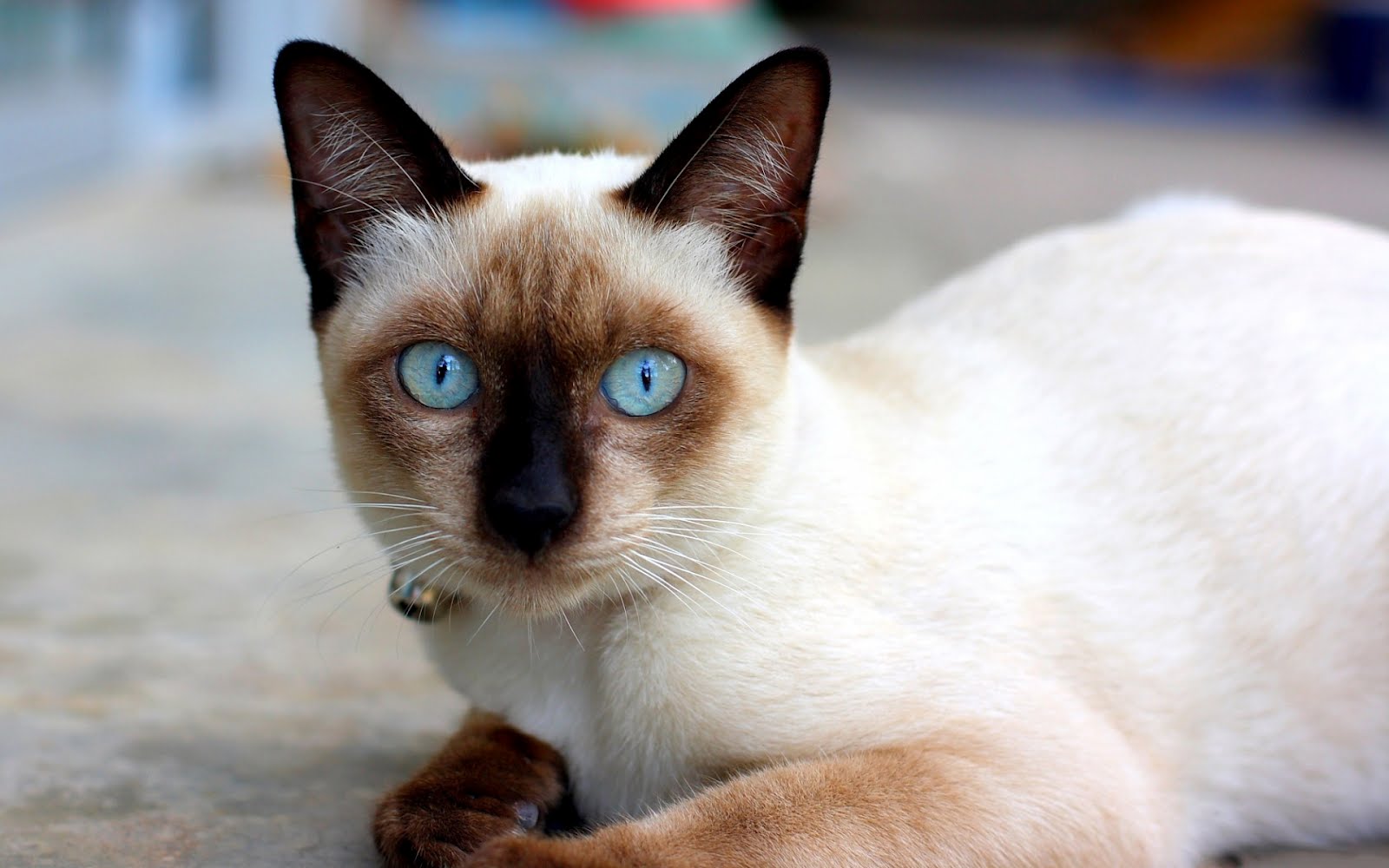
| Eyes | Blue, always—non-blue eyes disqualify the breed |
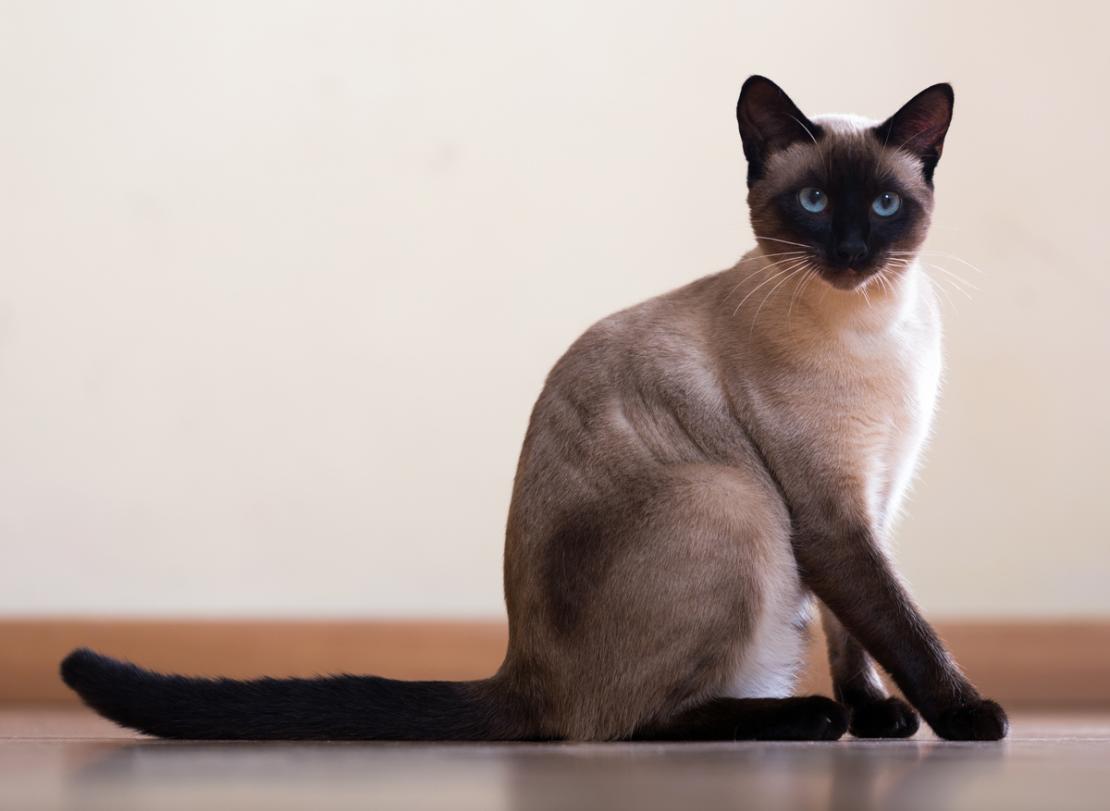
| Pattern | Colourpoint: dark mask, ears, legs, and tail on a paler body |
| Energy Level | High |
| Shedding | Low |
| Grooming burden | Very low |
| Vocalisation | Extremely high |
| Hypoallergenic | No |
The Defining Fact: This Cat Talks
Any honest assessment of the Siamese has to start with the noise. The breed's characteristic vocalisation is not an occasional meow. It is a loud, low, persistent, and remarkably varied sound—a running commentary that greets you, interrogates you, complains about closed doors, announces the time of day, and does not stop simply because you have stopped responding.
Owners of Siamese frequently describe the relationship as living with a roommate rather than keeping a pet, and the comparison is more accurate than it sounds. The cat has opinions, expresses them audibly, and expects a response.
That single trait determines whether the breed is right for you, and it explains the largest share of Siamese relinquishments: people acquire a beautiful, affectionate, intelligent cat and discover that they cannot have a quiet house. If a quiet house is a requirement, stop here. If you want a cat that converses, the breed is almost unmatched.
Two Breeds Under One Name
Before the temperament, an important piece of practical information. "Siamese" today describes two populations that look substantially different and behave somewhat differently:
| Modern (wedge head) | Traditional ("applehead" / Thai) | |
|---|---|---|
| Head | Long, narrow wedge; fine muzzle | Rounder, fuller, apple-shaped |
| Body | Very slender, light-boned, long | Medium, sturdier, more solid |
| Ears | Very large, wide at the base | Medium |
| Eye shape | Almond, strongly slanted | Round or almond |
| Health | Higher rates of respiratory and dental problems | Generally more robust |
| Prevalence | The show and most breeding standard | Less common |
Temperament is broadly similar, though the modern type tends to be more active and more vocal still. If you are buying, look at the kitten's parents rather than the name—what you are choosing is a body shape, and it comes with different health implications.
Why the Colour Moves
The colourpoint pattern is the visible result of a partially albino gene whose enzyme is temperature-sensitive. Melanin production is suppressed where the cat's body is warm and permitted where it is cool, which is why the points—face, ears, legs, and tail—are dark while the torso is pale.
Several consequences follow, and owners find them either delightful or alarming:
- Kittens are born entirely white, because the womb is uniformly warm. The points begin to appear within one to two weeks.
- The coat darkens with age. An older Siamese is visibly darker than a young one. This is normal.
- Cold deepens the colour. A cat kept in a cool room, or one that has been shaved for surgery, will develop darker fur in the affected area. Fever can do the same. The cat is not ill, and it is not a different cat.
- Recognised colours include seal, blue, chocolate, and lilac point, with red, cream, cinnamon, and fawn also standardised, plus the tabby-pointed "lynx" series.
The blue eye is not a coincidence but a consequence of the same pigment pathway, and it is a firm breed requirement.
Temperament: High Engagement, High Cost
The Siamese is, by most accounts, the most interactive domestic cat. What that means in practice:
It follows you. Not occasionally—habitually. Siamese cats are typically in the same room as their person, and often on them. Many sleep in the bed, under the covers.
It learns. This is a genuinely trainable cat. Siamese commonly work out how to open cupboard doors and lever handles, retrieve thrown objects, walk on a harness, and perform simple cued behaviours. Owners should plan accordingly: child locks on cupboards and bins are not a joke recommendation.
It needs company, and it will tell you so. The breed does poorly with long daily absences. A Siamese left alone from morning to evening for five days a week is a strong candidate for anxiety, depression, and destructive behaviour—and the vocalising does not stop, it escalates. The most effective solution is a second cat; two Siamese, or a Siamese with a placid companion, is a materially better arrangement than one lonely animal.
It wants to be in charge. Siamese generally coexist with other cats and with dogs, but they often attempt to dominate the household, and introductions to resident pets need to be gradual and managed rather than left to sort themselves out.
It is athletic. These cats reach high shelves, and they need vertical space rather than being given it as a luxury. A tall cat tree, clear shelf routes, and window access are close to essential. A Siamese with nowhere to climb becomes a frustrated Siamese.
Care: The Easiest Coat, the Hardest Teeth
Grooming is the breed's greatest practical advantage. The coat is very short, close-lying, and has little undercoat. One brushing a week is sufficient, shedding is minimal compared with a British Shorthair or Persian, and baths are largely unnecessary. For an owner who does not want to spend time on coat maintenance, this alone can justify the breed.
Dental care is the corresponding burden, and it is the one to take seriously. Periodontal disease is unusually common in Siamese cats, and advanced disease means extractions. The recommendation is genuinely daily brushing, plus professional dental assessment at least annually. This is not optional maintenance in this breed; it is the highest-value routine care you can provide.
Health Conditions to Screen For
| Condition | What it is | Practical response |
|---|---|---|
| Respiratory disease | Higher rates of asthma and bronchitis, particularly in the modern type | Avoid smoke, dust, and aerosol sprays; investigate coughing or noisy breathing |
| Periodontal disease | Very common | Daily brushing; annual professional assessment |
| Amyloidosis | Abnormal protein deposition, typically in liver or kidney; the breed has a hereditary predisposition | Periodic bloodwork; investigate unexplained weight loss |
| Progressive retinal atrophy | Inherited, progressive blindness; now much reduced by testing | Ask for DNA test results from the breeder |
| Hypertrophic cardiomyopathy | The most common heart disease in cats generally, and present in this breed | Periodic cardiac examination and echocardiography |
| Mammary tumours | Elevated risk in unspayed females | Early spaying substantially reduces the risk |
One practical note for surgery: Siamese cats are sometimes reported to metabolise certain anaesthetic agents differently from other cats. Tell your veterinarian the breed before any procedure so the protocol can be adjusted.
The Vocalisation Question
Owners ask, reasonably, whether the noise can be trained down. The honest answer is that it can be reduced but not removed—it is a breed characteristic, not a behaviour problem.
What works: do not respond to every demand, because responding rewards the demand; instead, proactively give attention and reward when the cat is quiet. Ensure every underlying need—food, water, litter, play, company—is genuinely met, because a large share of Siamese noise is legitimate communication about something missing. What does not work: shouting, spraying, or ignoring the cat entirely, all of which tend to increase the volume.
There is one exception worth flagging. A sudden escalation to continuous howling in an otherwise normal cat is a veterinary matter, not a training one. Persistent vocalisation can signal pain, hyperthyroidism, or—in an unspayed female—oestrus.
Who the Siamese Suits
This is an outstanding choice if you are home for much of the day; if you want a cat that interacts, responds, and can be trained; if you enjoy a talkative animal and find the commentary charming rather than irritating; if you want the lowest possible grooming commitment; and if you are willing to consider a second cat.
Choose a different breed if you want quiet, if you want an independent cat that entertains itself, if your household is empty for ten hours a day, if you have light-sleeping housemates or thin walls, or if you are looking for a decorative cat that will sit still and be admired. The Siamese rewards owners who want a relationship. It punishes owners who want an ornament.
Frequently Asked Questions
Are Siamese cats really as vocal as people say?
Yes, and more so than most descriptions convey. The breed produces a loud, low, sustained, and varied vocalisation used for greeting, demanding attention, complaining, and general commentary, and it does not stop when ignored. Some of it responds to training and needs; the underlying volume is a breed characteristic that cannot be eliminated.
Why is my Siamese getting darker as it gets older?
The colourpoint pattern is produced by a temperature-sensitive pigment enzyme, so cooler areas of the body darken. Age, a cold environment, fever, or shaving for surgery can all deepen the coat. This is normal. If the cat darkens abruptly and also shows changes in appetite or behaviour, have it examined.
Can a Siamese live alone while I work?
Poorly. The breed is highly social and does not do well with long daily absences; anxiety, depression, vocalisation, and destructive behaviour are the usual results. If the household is empty for most of the working day, a second cat is close to a requirement rather than a luxury.
How much grooming does a Siamese need?
Very little—one brushing a week is sufficient for most of the year, and shedding is minimal. This is one of the breed's genuine practical advantages. The maintenance burden shifts instead to dental care, which should be daily, because periodontal disease is unusually common in this breed.
Are Siamese good with children and other pets?
Generally yes. They are tolerant and highly interactive and usually accept respectful children and other pets, though they often try to dominate both, and introductions should be gradual. The more significant consideration is the cat's need for company, which suits a busy household better than a quiet one.