American Shorthair: Is This the Right Cat for You?
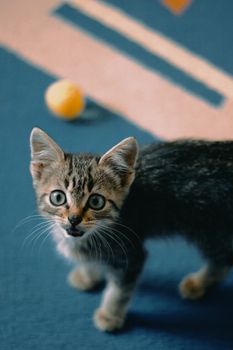
Breed at a Glance
| Attribute | Detail |
|---|---|
| Origin | United States (descended from European working cats brought by settlers) |
| Size | Medium to large, muscular |
| Weight | Males 5 – 7 kg; females 3.5 – 5.5 kg |
| Lifespan | 15 – 20 years |
| Coat | Short, dense, slightly hard to the touch, glossy |
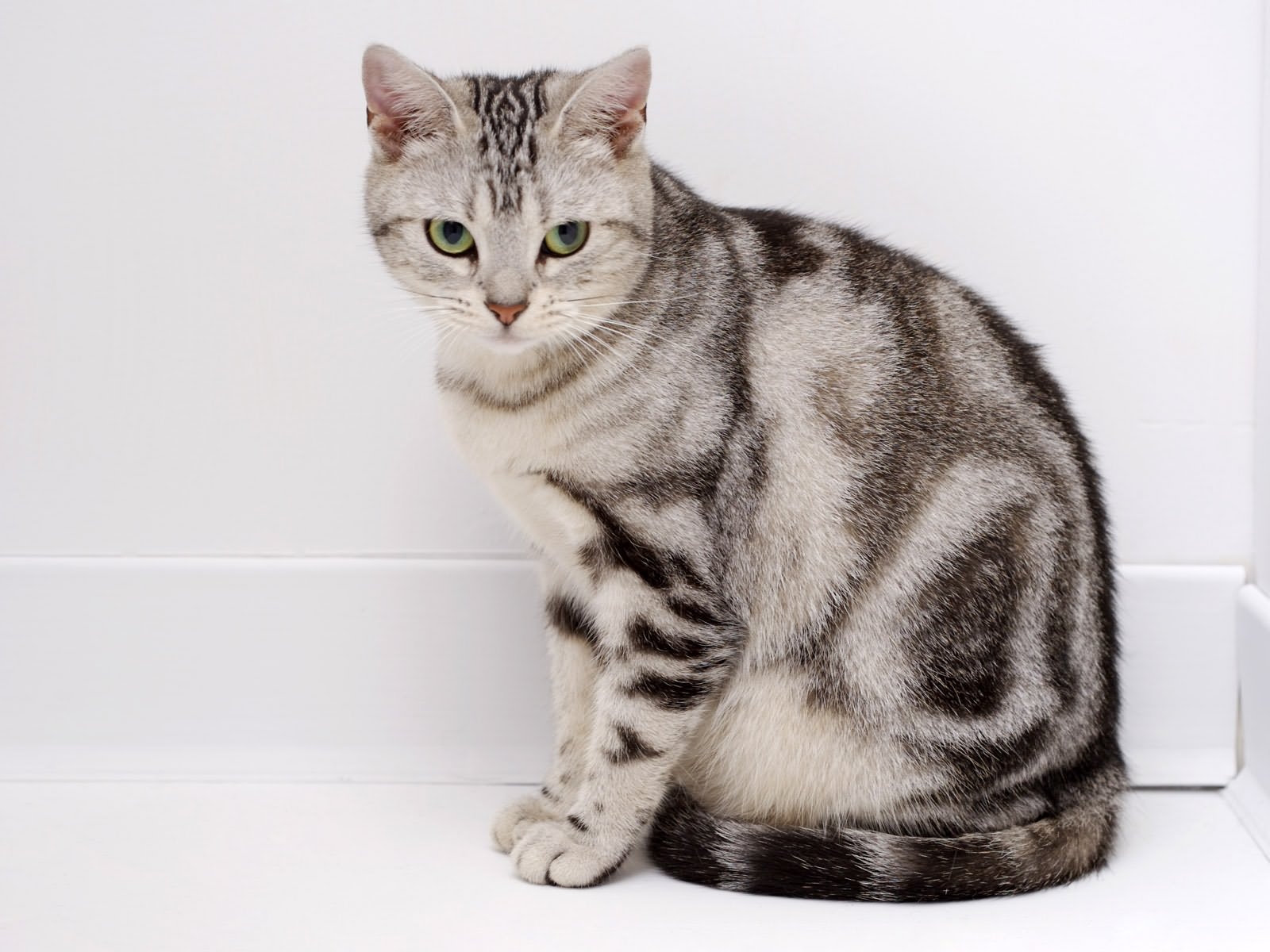
| Colours | More than 80 recognised; silver tabby is the signature |
| Energy Level | Moderate to high |
| Shedding | Moderate, heavy during the spring and autumn moults |
| Grooming burden | Low |
| Vocalisation | Low to moderate |
| Hypoallergenic | No |
A Working Cat, Not a Designed One
Most pedigree cats are the product of a deliberate breeding plan written down in the last hundred and fifty years. The American Shorthair is not. Its ancestors arrived in North America on settler and trading ships during the seventeenth century, where they were kept for a specific practical purpose: killing the rodents that ate the cargo and the grain.
That origin shapes everything about the breed. Cats that survived shipboard life and colonial barns were selected by circumstance rather than by human taste—they had to be hardy, resistant to disease, physically capable, and level-headed enough to work alongside people. The result, several centuries later, is a breed that is measurably tougher and less prone to inherited defect than the more intensively designed long-haired breeds.
The name came late. Until 1965 the breed was registered simply as the Domestic Shorthair, and the change to "American Shorthair" was made to distinguish the pedigreed line from the ordinary mixed-breed house cat—a distinction worth understanding before you buy, which we come back to below.
The Temperament, Precisely
"A friendly, easy-going family cat" is the standard summary, and it is broadly accurate but too vague to be useful. What the breed actually offers is emotional stability with clear boundaries:
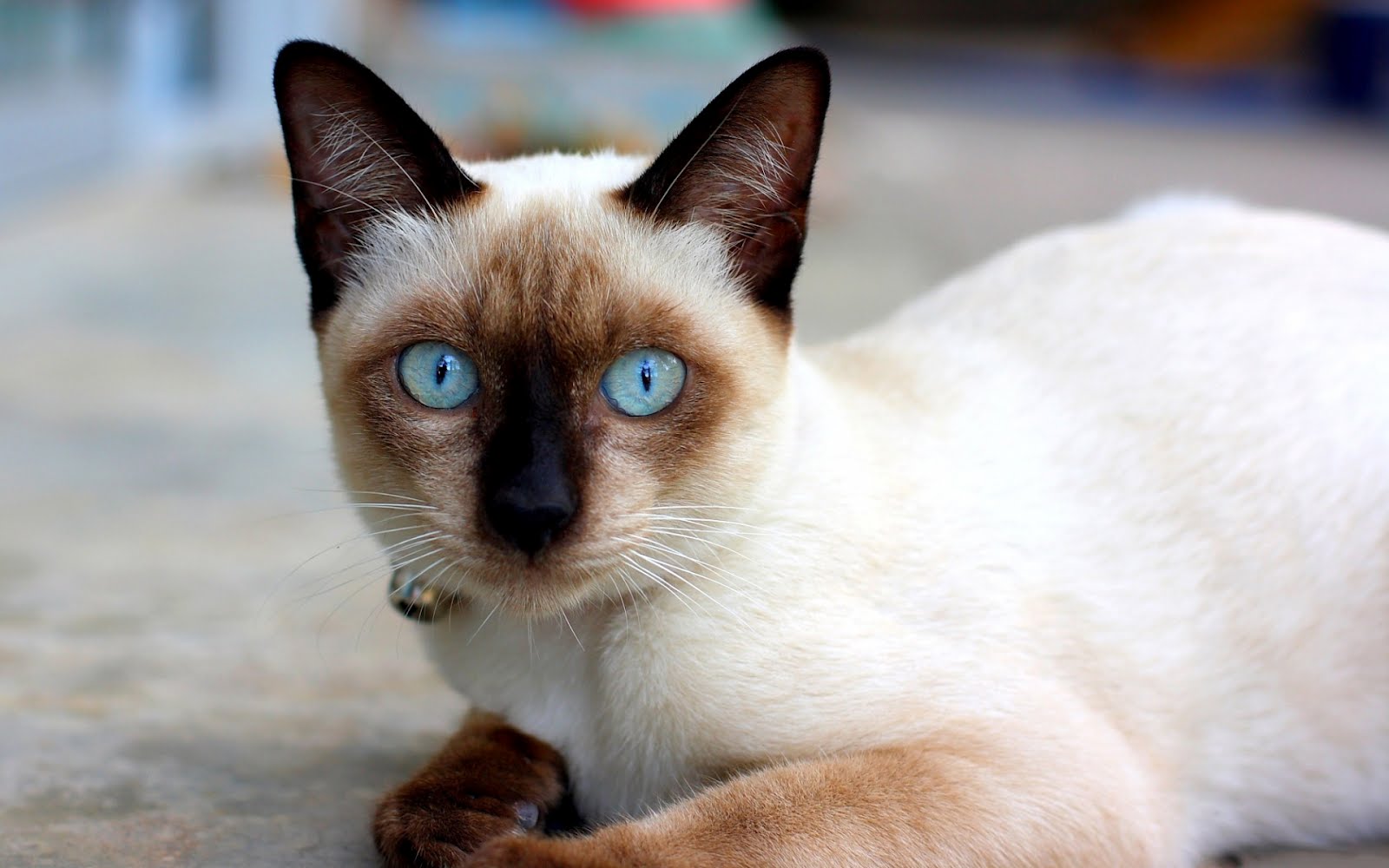
Affectionate without being demanding. Most American Shorthairs want to be in the same room as their people and will follow them from one to another, but they are not generally lap cats. The typical pattern is proximity rather than contact—settled nearby, watching, rather than pinned across your knees. If what you want is a cat that wants to be held constantly, this is the wrong breed, and a Ragdoll or Siamese is the right one.
Unusually tolerant. The breed takes noise, disruption, and the clumsy handling of children better than most. This is the single most reliable reason it is recommended as a family cat, and it is a real disposition rather than a marketing claim.
Adaptable to change. Moving house, a new baby, a new work schedule, a new pet—American Shorthairs generally settle within days rather than weeks. Cats that are stress-sensitive by temperament do not, and it is worth knowing which sort you are getting.
Prey drive retained. This is a working cat's inheritance and owners routinely forget it. Birds, hamsters, and other small pets in the same household are at genuine risk, and introductions need to be gradual and physically managed rather than optimistic.
Not a cat that thrives on solitude. Independence is not the same as indifference. Consistent separation of more than eight to ten hours a day tends to produce boredom behaviours—over-grooming, furniture scratching, nocturnal activity.
The Comparison Buyers Actually Need
Two comparisons decide most purchases.
American Shorthair versus British Shorthair. They are visually similar in the way that a silver tabby and a blue plush coat are both "short-haired cats", but they are different animals. The American Shorthair has a longer, leaner face, larger ears, a more athletic and less cobby body, and a shorter coat that lies closer to the skin. The British Shorthair is rounder in the head, broader in the chest, denser and more plush in the coat, and generally quieter and more reserved. In temperament terms, the American Shorthair is the more active and more involved of the two.
Pedigree versus the cat at the shelter. Because the breed's ancestry is the ordinary working cat, a substantial number of shelter cats are visually and temperamentally indistinguishable from pedigree American Shorthairs. If breed registration is not important to you, adopting a shorthaired cat of this type gives you very nearly the same experience for a fraction of the cost—and there is no temperament penalty for doing so.
Where the Breed Is Genuinely Easy
The short, dense coat is the low-maintenance item it appears to be. One brushing a week is adequate for most of the year; two to three a week during the spring and autumn moults, when the undercoat loosens in volume and a rubber grooming mitt or de-shedding glove works better than a pin brush.
The breed is also robust in the ordinary sense. Routine vaccination, parasite prevention, dental care, and an annual examination through middle age are the whole programme for a healthy individual.
Where It Is Not: Weight, and the Heart
Obesity is the breed's real health story, and it is not a cosmetic issue. American Shorthairs eat enthusiastically, and metabolism drops after neutering. Carrying excess weight sharply raises the risk of diabetes, arthritis, urinary disease, and hepatic lipidosis—the last of which is why weight loss in cats must be gradual and supervised rather than abrupt. Assess body condition rather than the scale: from above you should see a waist behind the ribs, and you should be able to feel the ribs easily under a thin fat layer without seeing them protrude.
Hypertrophic cardiomyopathy (HCM) is the other condition to take seriously. It involves thickening of the heart muscle and can progress silently for years before producing heart failure or an arterial thromboembolism. The breed is not the most affected, but it is affected. From middle age onward, periodic cardiac auscultation and echocardiography are worth the cost, particularly if the cat is a breeding animal. The practical warning signs owners miss are subtle: reduced activity that is attributed to age, occasional open-mouth breathing, and a sudden hind-limb weakness or paralysis, which is an emergency.
Beyond these, the breed's ordinary risks are the ordinary risks: dental disease, kidney disease in old age, and hyperthyroidism—all reasons to keep up annual or twice-yearly checks after the age of seven.
Feeding and Daily Care
Feed measured portions on a schedule rather than leaving food down, and treat the neutered adult cat as a maintenance animal rather than a growing one. Two to three short interactive play sessions of ten to fifteen minutes each day—wand toy, chase, or fetch—cover the activity requirement comfortably and are the most effective single measure against weight gain. A tall cat tree and a window perch materially improve the quality of the hours the cat spends alone.
Dental care is the item most often skipped and most often needed: brushing two to three times a week dramatically reduces tartar accumulation, and professional cleaning under anaesthesia is reasonable every one to three years depending on the individual. Nails need trimming every two to three weeks, and a scratching post should be provided from the first week.
Who the American Shorthair Suits
This is a strong choice if you are a first-time owner; if you have children; if you want a cat whose temperament you can predict; if you want the lowest possible grooming commitment; and if you have other pets that need to coexist peacefully.
Choose a different breed if you want a cat that will be in your lap or in your arms for hours—look at a Ragdoll or a Siamese. Choose a different breed if you cannot tolerate any shedding, because the trade-off for an easy coat is a moderate amount of hair in the house. And think carefully if everyone in the household is away for long stretches of the day, because this breed likes company more than its reputation suggests.
Frequently Asked Questions
Does the American Shorthair shed a lot?
Moderately. The coat is short but the undercoat is dense, so the spring and autumn moults are noticeable and brushing should increase to two or three times a week during those periods. No cat breed genuinely does not shed; the honest comparison is between moderate shedding with simple grooming and heavy shedding with difficult grooming.
How do I tell an American Shorthair from a British Shorthair?
Look at the head and the coat. The American Shorthair has a longer, less round face, larger ears set wider apart, a leaner and more athletic body, and a coat that lies flat and close. The British Shorthair has a rounder head, a broader chest, a shorter nose, and a much denser, plusher coat that feels like a deep carpet pile. Temperament follows the same split: the American Shorthair is more active and more involved with people.
Are American Shorthairs affectionate?
Yes, but on their own terms. They typically prefer to be near their people rather than held by them, and they express attachment by following you from room to room and greeting you at the door rather than by demanding to be carried. If you want a cat that lives in your arms, this is not the breed to choose.
What health problems should I expect?
The two to plan for are obesity and its consequences—diabetes, arthritis, urinary disease—and hypertrophic cardiomyopathy, a thickening of the heart muscle that can be present for years without symptoms. Cardiac screening from middle age is worthwhile. Routine dental disease and the usual age-related kidney and thyroid conditions also apply.
Is the American Shorthair good with children and other pets?
Generally yes, and this is one of the breed's strongest arguments. Tolerance to noise and to clumsy handling is higher than in most cats, which makes it a safer choice for a family with young children. Small pets such as birds and rodents are the exception, because the breed retains the working cat's hunting instinct. Introductions to other cats and to dogs should be gradual and supervised.