Decoding Cat Emotions Through Body Language
Cat Ear Language: Angle and Movement Interpretation
Cats' ears are highly expressive, and their angle and movement can provide significant insights into their emotional state. For instance, a cat's ears can be positioned at a 45-degree angle to the side when it is curious or interested in something. Conversely, if the ears are pinned back at a 90-degree angle, it indicates fear or aggression. The movement of the ears can also be telling; a flicking motion often suggests a cat is alert and ready to pounce, while a slow, deliberate movement might indicate a relaxed state. The degree of ear movement can also be a clue; rapid flicks can signify a heightened state of alertness, while slower movements might indicate a more passive mood. Observing these angles and movements can help pet owners better understand their cat's emotions and react accordingly.
Cat Tail Dynamics: Length, Swinging, and Curvature Meanings
The tail is another critical indicator of a cat's mood. The length of the tail can provide insight into the cat's confidence level; a long tail that is held high suggests a confident and assertive cat, while a short tail tucked under the body might indicate fear or submission. The swinging frequency of the tail can also be a mood indicator; a slow, gentle swing might suggest contentment, while a fast, erratic swing could signal anxiety or excitement. Curvature is also important; a tightly curled tail can indicate fear or aggression, while a loose, relaxed curve might suggest a calm and relaxed state. For example, a tail that is curled in a half-circle and held low can indicate a cat that is feeling threatened or defensive.
Cat Facial Expressions: Changes in Eyes, Nose, and Mouth
Facial expressions are a complex aspect of a cat's body language. The eyes are particularly expressive; a wide, dilated pupil can indicate fear or excitement, while a narrow pupil might suggest aggression or a defensive state. The angle of the eyes can also be revealing; a slightly upward tilt can indicate curiosity, while a downward tilt might suggest a more aggressive stance. The nose is another area to observe; a flattened nose can indicate a relaxed state, while a puffed-up nose might suggest aggression or fear. The mouth is also a key indicator; a relaxed mouth with a slight grin can indicate contentment, while a tight-lipped or snarling mouth might suggest a defensive or aggressive posture. Detailed analysis of these facial expressions can help pet owners interpret their cat's emotions more accurately.
Cat Body Postures: Emotional Expression in Sitting, Standing, and Lying Positions
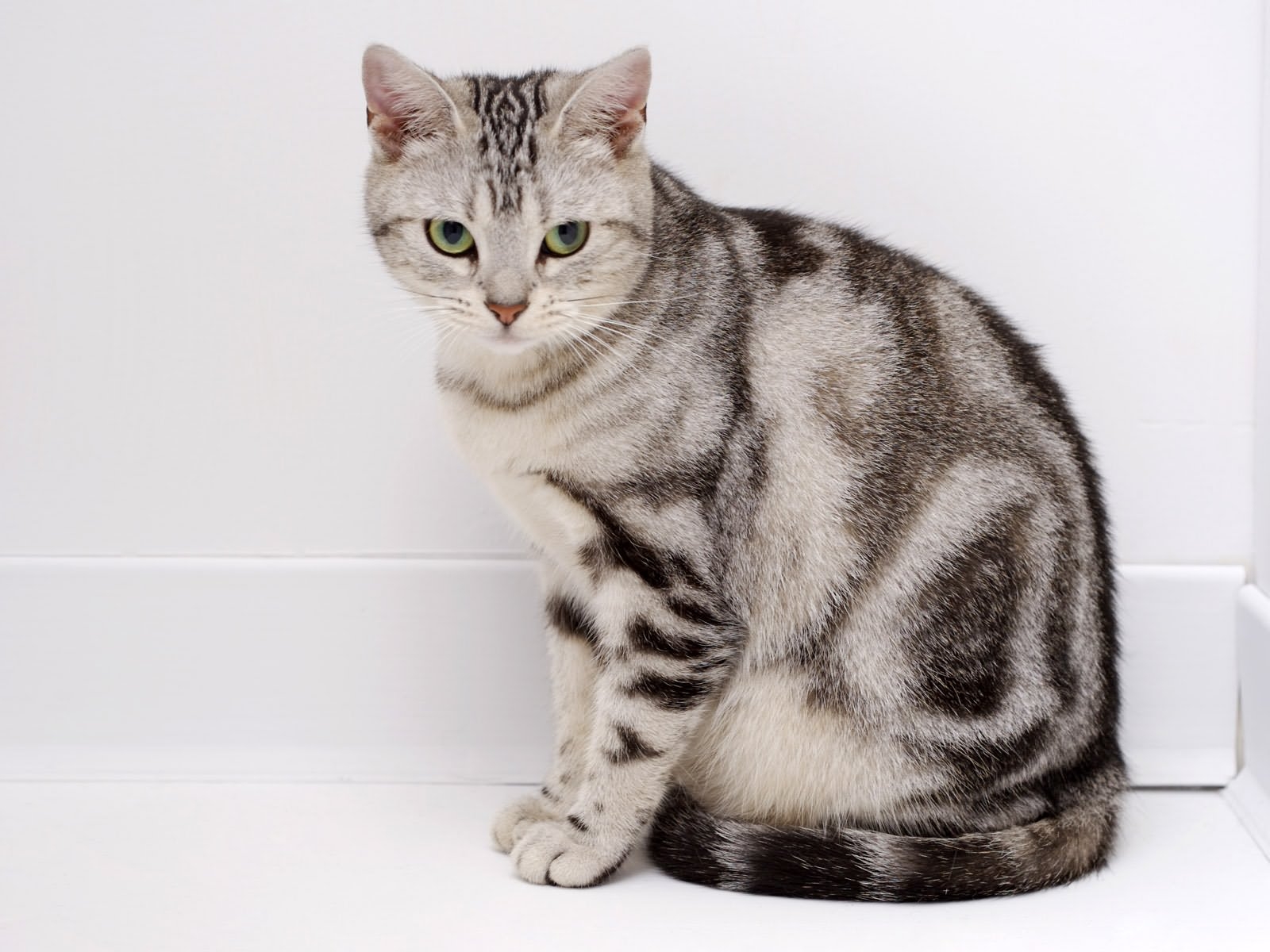
Cats exhibit a range of body postures that reflect their emotional state. In a sitting posture, the duration of the sit can provide insight into a cat's emotional state. A short sit may indicate a cat is simply resting, while a prolonged sit could suggest contemplation or a desire for attention. The tension level in the cat's body is also telling; a relaxed posture with a loose tail suggests contentment, whereas a stiff posture with a tucked tail may indicate anxiety or fear. When standing, a cat may adopt a high stance with puffed-up fur, which can signal aggression or a defensive state. Conversely, a low stance with flattened ears and a tucked tail can indicate submission or fear. Lying down positions also reveal emotional expressions; a curled-up, relaxed position can indicate sleepiness or comfort, while a tense, stretched-out position may suggest alertness or readiness to pounce.
Cat Vocalizations and Breathing: Interpreting Frequency and Rhythm
Vocalizations and breathing patterns in cats are important indicators of mood changes. The frequency of vocalizations can vary widely; a cat may emit a series of meows at a high frequency when seeking attention or comfort, while a low frequency of vocalizations may suggest contentment or disinterest. The rhythm of breathing can also provide clues; rapid, shallow breathing may indicate stress or fear, while slow, deep breaths may suggest relaxation. The vocalization frequency range can range from a few meows per minute to continuous yowling, with the latter often being a sign of distress or pain. It is important to monitor these patterns over time to detect any significant changes that may indicate health issues or changes in emotional state.
Cat Behavioral Habits: Significance of Daily and Special Behaviors
Daily and special behaviors in cats are significant indicators of their emotional well-being. Play habits, for example, can provide insights into a cat's mood. A cat that plays frequently and energetically may be in good spirits, while a decrease in playfulness could indicate boredom, stress, or illness. Clawing frequency is also a key behavior to observe; a cat that claws excessively may be seeking attention, marking territory, or expressing frustration. It is important to note the time of day when these behaviors occur, as cats may exhibit different patterns depending on the time of day. For instance, a cat that is more active at night may be expressing stress or anxiety. Regular observation of these behaviors can help identify any changes that may warrant further investigation.
Cat Emotional Interaction: Expressions in Human Interaction
Cats communicate their emotions through various behaviors during human interaction. For instance, chasing and rubbing against people are common expressions. The frequency of these interactions can provide valuable insights. A cat that frequently chases and rubs against people may be seeking affection or attention. It is important to observe the context of these interactions. For example, if a cat chases and rubs against a person immediately after returning home, it may be expressing relief and happiness. However, if these behaviors occur during meal times, it could indicate hunger. Understanding the timing and context of these interactions can help in interpreting a cat's emotional state more accurately.
Cat Emotional Misconceptions: Common Misunderstandings and Correct Interpretations
Misunderstandings in cat emotional interpretation are common but can be corrected with knowledge. One common misconception is that a hissing cat is always aggressive. In reality, hissing can be a response to fear or discomfort. A cat may hiss when it feels threatened or when it is in pain. Another misconception is that a cat that sleeps all day is lazy. Cats have natural patterns of activity and rest, and they may sleep for long periods to conserve energy. It is important to differentiate between normal behavior and signs of illness. For example, a cat that suddenly starts sleeping excessively may be experiencing health issues. By understanding these misconceptions, pet owners can better interpret their cat's emotions and respond appropriately.
Cat Emotional Health: Identifying and Dealing with Emotional Abnormalities
Identifying emotional abnormalities in cats involves observing changes in their behavior patterns. For instance, a sudden decrease in appetite, a lack of interest in play, or aggression towards other pets can be signs of emotional distress. To cope with these abnormalities, it is crucial to first rule out any underlying health issues by consulting a veterinarian. If health is not the issue, consider the following strategies: create a calm environment, provide opportunities for exercise and mental stimulation, and maintain a consistent routine. In cases of aggression, it may be helpful to use positive reinforcement training techniques. For example, reward the cat with treats when it displays calm behavior. It is important to address emotional abnormalities promptly, as they can lead to more severe behavioral issues if left unchecked. Regular monitoring and communication with a veterinarian can help in early detection and effective management of emotional abnormalities in cats.
Cat Emotional Cultivation: Interactive Methods to Promote Healthy Emotions
Interactive play is a vital component in cultivating healthy emotions in cats. Engaging in interactive games such as fetch or hide-and-seek can stimulate their natural hunting instincts and provide mental exercise. For fetch, use small, lightweight toys that are easy for the cat to pick up and chase. Aim to play this game for at least 10-15 minutes daily to ensure adequate physical activity. Hide-and-seek can be done by placing a toy under a piece of furniture or in a familiar room, encouraging the cat to use its senses to find it. This game should also be played for the same duration to enhance their problem-solving skills. Petting is another essential aspect of emotional cultivation. Spend at least 5-10 minutes each day petting your cat, focusing on different parts of their body to help them relax and bond. Use gentle strokes and avoid areas that your cat may find sensitive. Additionally, consider using a laser pointer to engage your cat in a game of chase, which can be particularly stimulating for their visual and auditory senses. This activity should be limited to 5-10 minutes to prevent overstimulation. Consistency in these activities is key, as it reinforces a routine and can help alleviate stress. Regular interaction not only promotes healthy emotions but also strengthens the bond between you and your cat.