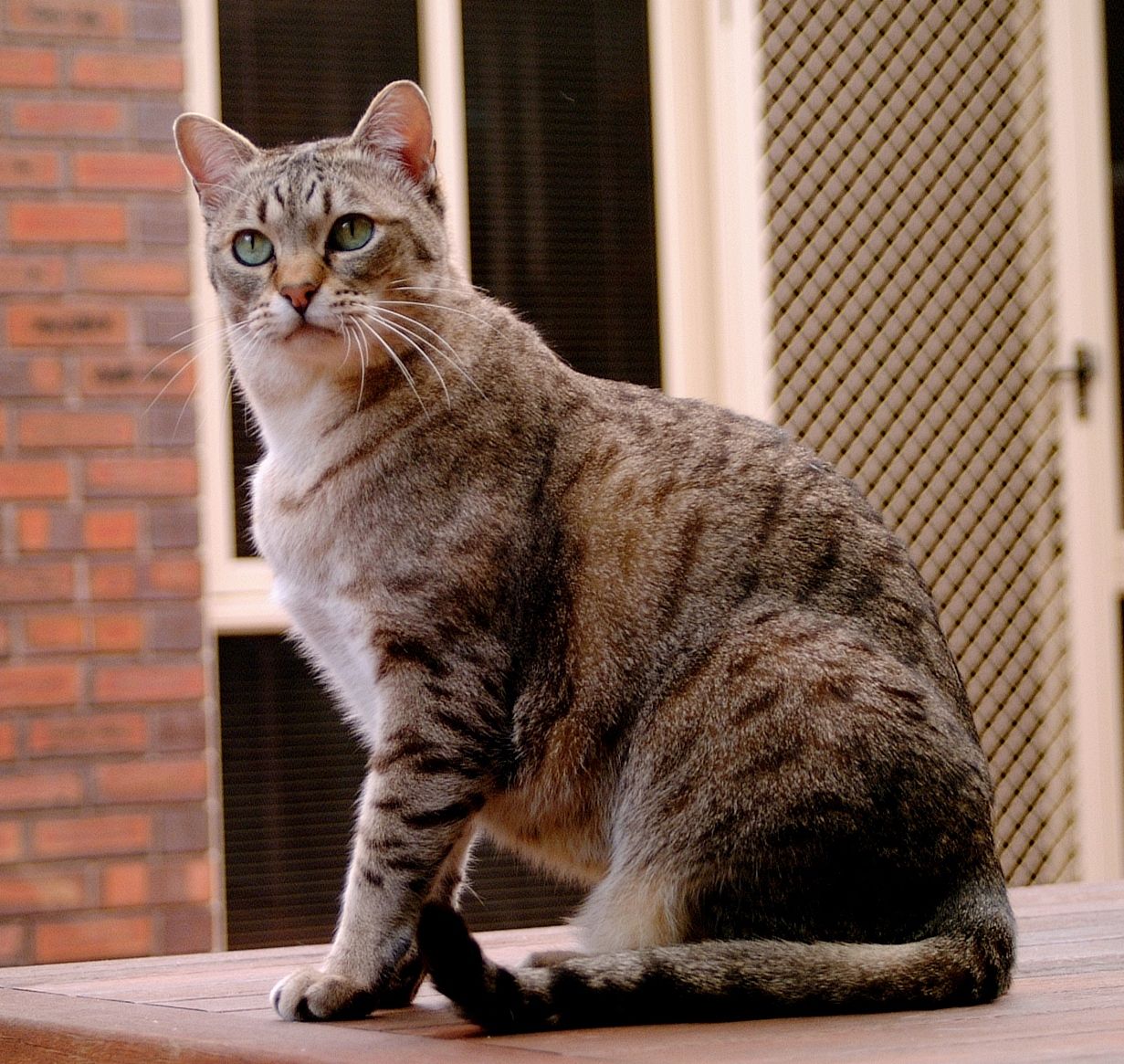
Origin and History
The American Shorthair, a breed of domestic cat, originated in the United States and is believed to descend from European cats brought to North America by early settlers. These cats were primarily used to protect valuable cargo from mice and rats, a practice that has earned them the nickname "working cats. " The breed's development was influenced by the cats' adaptation to the New World's climate and environment. The American Shorthair was recognized by the Cat Fanciers' Association (CFA) in 1906, among the first five breeds to be registered, and was renamed from the Domestic Shorthair to better represent its all-American origins in 1966. The breed's early history is intertwined with the development of the United States, reflecting the nation's growth and the role of cats in early American life.
According to the CFA, the American Shorthair was the eighth-most-popular pedigreed cat in the world for 2020, highlighting its popularity and recognition within the cat fancy community. The breed's acceptance by all North American cat registries underscores its status as a well-established and respected breed.
Appearance
The American Shorthair is a medium to large-sized cat, with males typically weighing between 5–7 kg (11–15 lb) and females between 2.5–5.5 kg (6–12 lb). Their head is large and oblong, with a more length than width, and the ears are medium-sized and slightly rounded at the tips. The eyes are large and wide, and the neck is medium in length with well-muscled definition. The legs are medium in length and muscular, and the tail is of medium length, well proportioned to the body. The breed's physical characteristics reflect its working heritage, with a robust build and a coat that provides protection against the elements.
Recognized in over eighty different colors and patterns, the American Shorthair's coat can range from brown-patched tabby to blue-eyed white, silvers (tabbies, shaded, smokes, and cameos), Van-patterned calico, and many others. Some even come in deep tones of black, brown, or other blends and combinations. However, cats with the colors chocolate, sable, lilac (lavender), or the point-restricted pattern of the Siamese family are disqualified from being shown in cat shows. The breed's diverse coat colors and patterns reflect its varied ancestry and the adaptability of the cats to different environments.
Temperament and Personality
Renowned for its sweet personality and amiability, the American Shorthair is known to be active, curious, easy going, playful, and calm. Its moderate energy level and social needs make it a great companion for those seeking a balanced pet. The breed's temperament is a result of its history as a working cat, where a calm and friendly demeanor was beneficial for coexisting with humans and other animals.
With a rating of 5 for adaptability, 5 for affection level, and 4 for both social needs and stranger-friendly, the American Shorthair is highly adaptable and affectionate, making it an excellent choice for households with varying lifestyles.
Health and Genetics
A study in Japan found that 47% of American Shorthair cats tested had the PKD1 mutation, which is responsible for feline polycystic kidney disease (PKD). This condition can lead to kidney problems and requires careful monitoring and veterinary care.
Additionally, a review of over 5,000 cases of urate urolithiasis in the United States indicated that the American Shorthair had significantly lower odds of developing urate uroliths than mixed-breed cats, suggesting a reduced risk for certain types of urinary tract issues. This information is valuable for potential owners to understand the breed's health profile and the potential risks associated with owning an American Shorthair.
Grooming and Maintenance
A rating of 1 on the grooming scale indicates that it is not overly demanding in this regard. The American Shorthair has a short, dense coat that requires minimal grooming, making it a low-maintenance option for pet owners. Regular brushing helps to keep the coat healthy and reduce shedding, which is especially important during shedding seasons when the coat may become more noticeable.
With a shedding level of 3, the American Shorthair does not require extensive daily grooming, but regular brushing helps to keep the coat healthy and reduce shedding. This is especially important during shedding seasons, as the breed can shed heavily at certain times of the year. The breed's grooming requirements are straightforward and manageable, making it an ideal choice for those who prefer a low-maintenance pet.
Buyer's Checklist
- Research the breed's history and characteristics to ensure it aligns with your lifestyle.
- Look for a reputable breeder who can provide health clearances and genetic testing results.
- Consider the breed's energy level and temperament when assessing its compatibility with your household.
- Understand the breed's grooming and maintenance requirements to ensure you can provide for its needs.
- Be prepared for the potential health issues associated with the breed, such as PKD, and discuss proactive care with your veterinarian.
Cost and Household Considerations
The American Shorthair is generally affordable compared to some other pedigreed cat breeds.
This breed is well-suited for a variety of household settings, from urban apartments to rural farms. Its adaptable nature and friendly disposition make it a great choice for those looking for a family-friendly pet that can coexist harmoniously with other pets and children.
Responsible pet ownership includes planning for these costs and ensuring that the pet's needs are met throughout its lifetime.
Frequently Asked Questions
What is the lifespan of the American Shorthair?
The average lifespan of the American Shorthair is about 15 - 17 years. Good nutrition and regular veterinary care support a healthy life.
What is the temperament of the American Shorthair?
The American Shorthair is known for: Active, Curious, Easy Going, Playful, Calm. Its affection rating is very high. Its energy level is high.
What size and weight is the American Shorthair?
It is a medium-sized cat, typically around 4 - 7 kg as an adult.
Is the American Shorthair easy to care for?
Available ratings indicate low grooming needs, and moderate shedding. Routine brushing, ear and dental care, and nail trims are still recommended.
Is the American Shorthair good with kids and other pets?
Available ratings indicate high child-friendliness, and very high pet-friendliness. Supervised, gradual introductions are recommended.
How much exercise does the American Shorthair need?
With a high energy level, it needs walks, play or training matched to its stamina.