British Shorthair: Is This the Right Cat for You?
Breed at a Glance
| Attribute | Detail |
|---|---|
| Origin | United Kingdom |
| Size | Medium to large, cobby and muscular |
| Weight | Males 5 – 8 kg; females 4 – 6 kg |
| Lifespan | 12 – 17 years |
| Coat | Short but exceptionally dense, plush, with a thick undercoat |
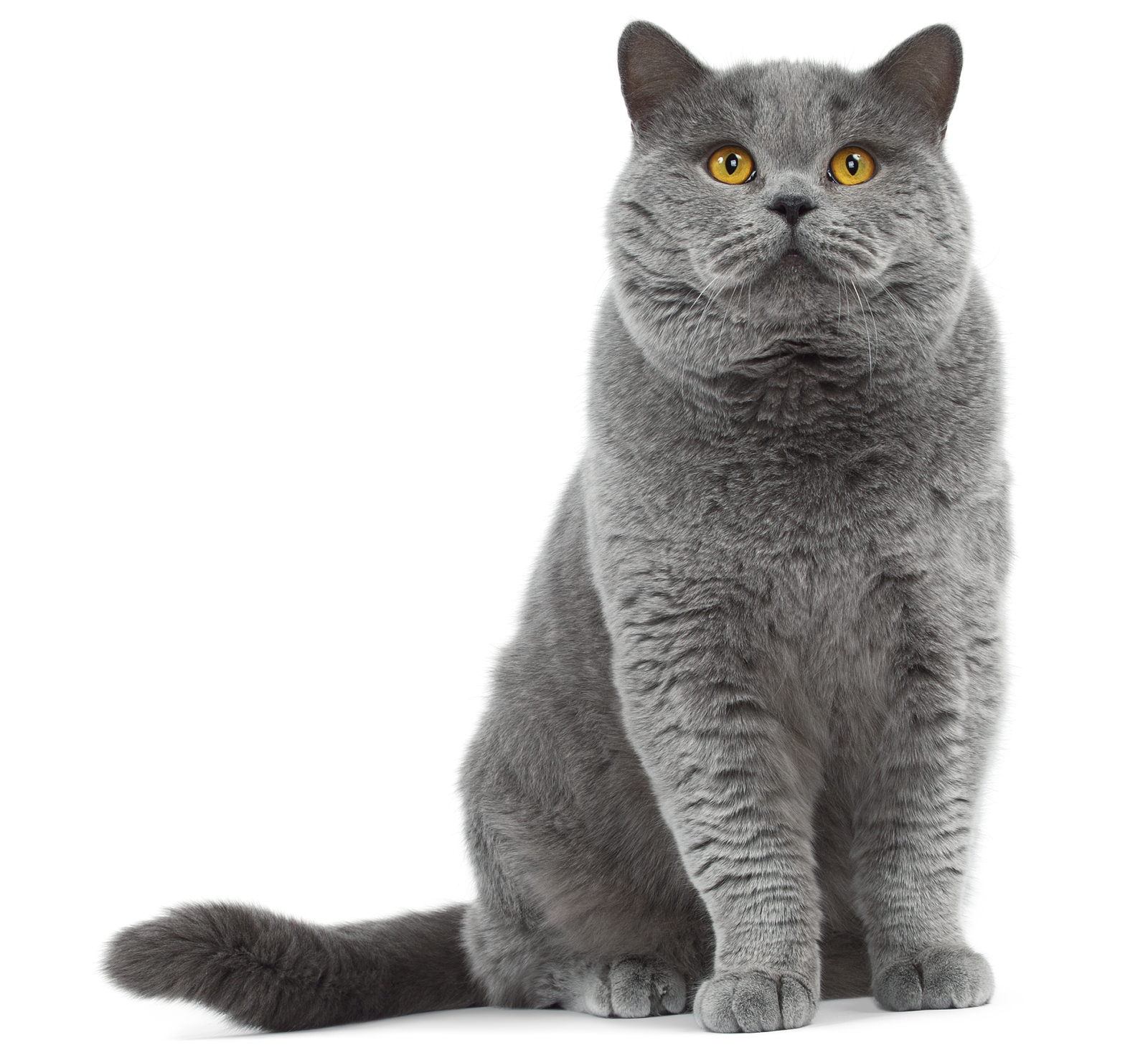
| Signature colour | Blue (grey-blue), though many colours are recognised |
| Energy Level | Low |
| Shedding | Moderate to heavy; the dense undercoat felts when it sheds |
| Grooming burden | Moderate—higher than the short coat suggests |
| Vocalisation | Low; a quiet breed |
| Maturity | Slow—full size at around 3 years |
| Hypoallergenic | No |
The Cat That Sits Beside You, Not On You
Prospective owners arrive at the British Shorthair expecting a plush lap cat. What the breed actually offers is something more particular, and understanding the difference before you buy is the single most useful thing in this article.
British Shorthairs are affectionate, but their affection is expressed as presence rather than contact. The characteristic pose is "four feet on the floor": settled nearby, often in the same room, frequently watching, but generally uninterested in being picked up, carried, or arranged across a lap. Many actively dislike the last of these. Owners who describe the breed as aloof usually mean that they were expecting a cat that would climb into their arms, and got a cat that would rather occupy the other end of the sofa.
That is not a defect. For the right household it is a considerable virtue: this is a cat that is genuinely happy to be left to its own devices for the working day, does not vocalise its displeasure, does not follow you into every room, and does not develop the separation anxiety that high-social breeds do. It is companionable without being demanding, and it tolerates the presence of the household rather than organising itself around it.
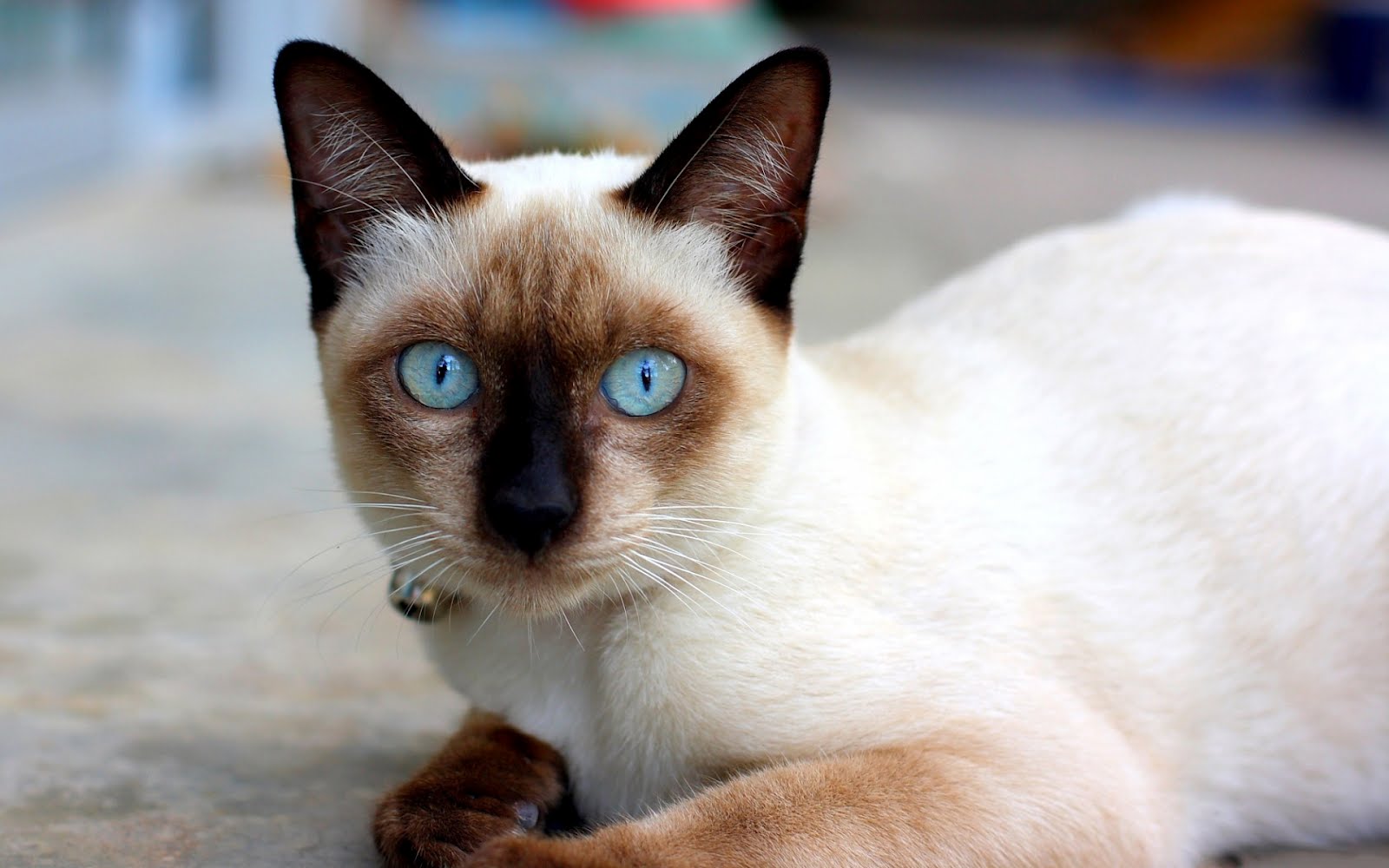
If you want a cat that greets you loudly and sits on your keyboard, the British Shorthair is the wrong breed and a Siamese or Ragdoll is the right one. If you want a quiet, undemanding, physically beautiful animal that will be pleased to see you and then go back to sleep, this is close to ideal.
A Breed Built on Roman Cats and Victorian Shows
The British Shorthair's ancestry runs through the ordinary working cat of the British Isles, itself descended in part from cats the Romans are thought to have brought with them during their occupation. Through most of that history the animal was a barn and kitchen cat—an occupation that explains the dense, weather-resistant coat and the sturdy, unflappable build.
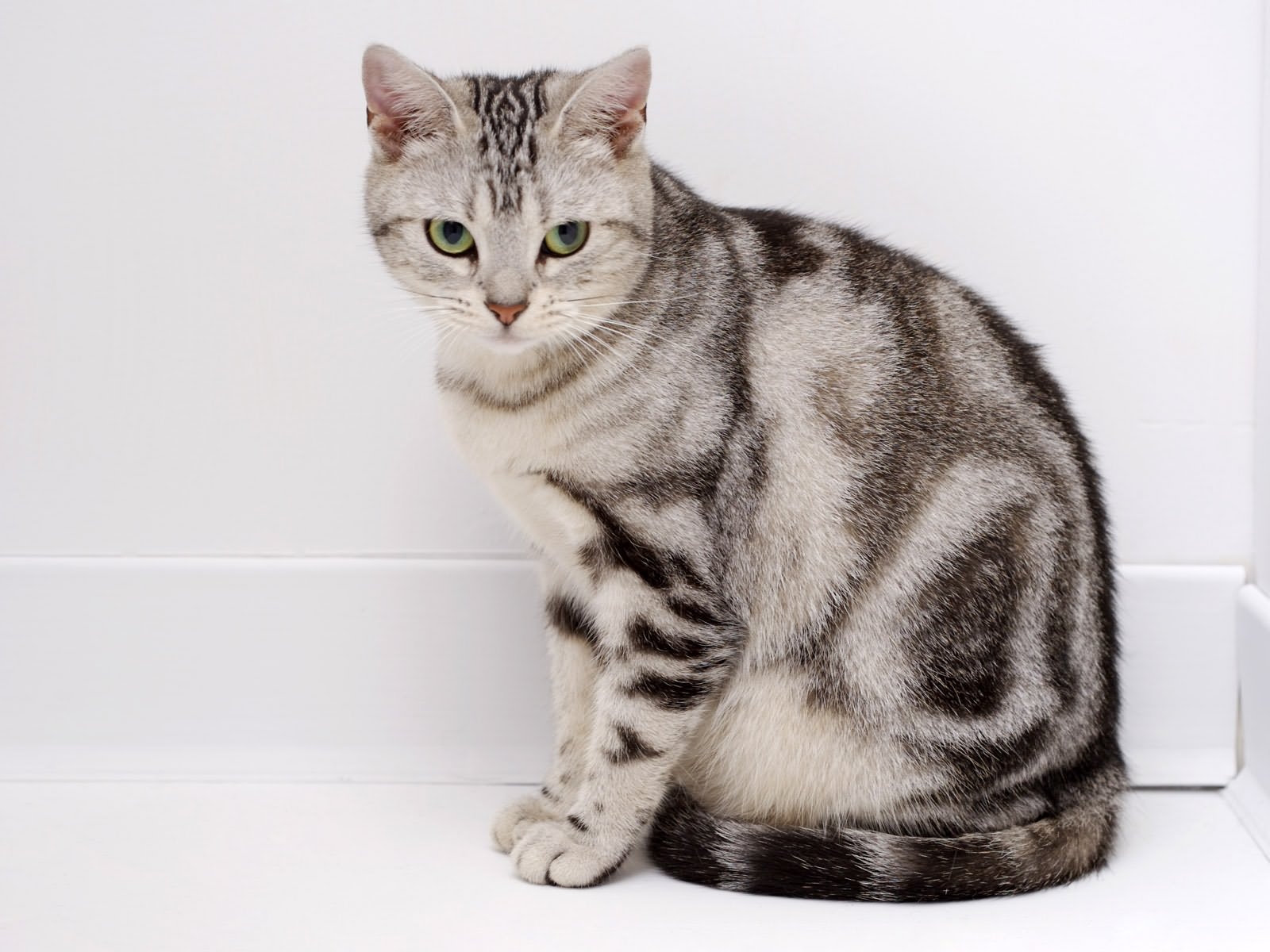
Organised breeding began in the Victorian era, and the breed is closely associated with the early cat shows at Crystal Palace in the 1870s, where the British Shorthair was among the first breeds to be classified. The blue coat that most people picture became the breed's signature through the twentieth century, though the standard recognises a wide range of colours and patterns, including black, white, cream, red, silver tabby, and the various golden and shaded series.
The breed remains slow to mature, which surprises new owners. A British Shorthair reaches its full weight and its characteristic cheek development at roughly three years of age, not at one. Kittens that look slender are not underfed; they are simply unfinished.
Coat: More Work Than "Short" Implies
Here is the second thing buyers consistently get wrong. A British Shorthair is a short-haired cat, and people reasonably assume this means low maintenance. It does not. The coat consists of a short outer layer sitting on a quite dense undercoat, which together give that distinctive plush, brick-like texture. That density holds a lot of loose hair.
The practical consequence is that the coat needs brushing once or twice a week in ordinary conditions, and more during the twice-yearly moults. A neglected British Shorthair does not mat in the way a Persian does, but shed undercoat collects against the skin, becomes felted, and can cause skin irritation. A rubber grooming mitt or a fine-toothed de-shedding comb is more effective on this coat than a standard pin brush, which tends to skim the surface.
Bathing is rarely needed—the breed grooms itself reliably—and shaving is unnecessary and unwise. The usual rule applies: the coat insulates against heat as well as cold, and removing it removes the cat's ability to regulate temperature.
Weight: The Breed's Central Health Risk
The British Shorthair is one of the most obesity-prone breeds in the cat world, and the reason is structural rather than a matter of owner discipline. It is a large-boned, low-activity animal with a substantial appetite and a body shape that conceals fat well. A British Shorthair carrying two kilograms too much still looks like a British Shorthair, which is exactly the problem.
The consequences are not merely metabolic. Excess weight in this breed raises the risk of diabetes, aggravates joint disease, makes grooming physically difficult—which then accelerates coat problems—and puts additional load on a heart already at risk from the breed's inherited condition, discussed below. Weight management here is a health intervention, not an aesthetic one.
Assess condition by touch and by eye rather than by the scale. From above there should be a visible waist behind the ribcage; from the side the belly should tuck up rather than hang level. You should be able to feel the ribs easily beneath a thin covering without seeing them stand out. If the ribs are hard to find, the cat is overweight regardless of what it weighs.
Feeding practice follows directly. Measure portions rather than free-feeding, remember that metabolism falls sharply after neutering, and count treats within the daily total. Interactive play is the second lever: a British Shorthair will not demand it, which means you have to schedule it. Two short sessions of ten minutes with a wand toy are enough to make a difference.
Hypertrophic Cardiomyopathy and the Screening Argument
Hypertrophic cardiomyopathy (HCM) is the inherited condition the breed is most strongly associated with. It involves thickening of the muscular wall of the heart, which reduces the chamber volume and, over time, can lead to heart failure, arrhythmia, or a thromboembolism that suddenly obstructs the blood supply to the hind legs. In cats—and this includes this breed—HCM frequently produces no detectable signs for years.
Two facts about screening matter. First, a mutation associated with HCM has been identified in the breed gene pool, and DNA testing allows breeders to avoid pairing carriers. Second, DNA testing alone is not sufficient, because not every affected cat carries the known mutation; echocardiography performed by a veterinary cardiologist remains the definitive test. If you are buying a kitten, asking for the parents' cardiac screening results is not a formality—it is the difference between a cat with a reasonable twelve-to-seventeen-year outlook and one that may be diagnosed at four.
Other conditions worth knowing about are polycystic kidney disease, historically significant in the breed though much reduced by ultrasound screening of breeding stock; haemophilia B, a clotting disorder that occurs at low frequency; and gingivitis and gingivostomatitis, inflammatory gum conditions that are common enough that routine dental care—brushing several times a week—is a genuine priority rather than an optional extra. A subtlety in this breed is that dental pain often does not produce the obvious refusal to eat seen in other cats; a British Shorthair may simply eat more slowly.
Daily Care in Practice
Grooming once or twice weekly, increasing during moults. Dental brushing several times a week, with professional cleaning as advised. Nail trimming every two to three weeks. A tall, stable scratching post, which this sturdy breed uses heavily. And a scheduled play routine, because this cat will not ask for one.
Environment matters less than for an agile breed—British Shorthairs are not enthusiastic jumpers and are content with lower perches—but they do appreciate warmth, soft bedding, and a predictable household. They are notably unfazed by changes that unsettle more sensitive cats.
Who the British Shorthair Suits
This is an excellent choice if you want a quiet, low-drama companion; if you are out at work and need a cat that copes with that easily; if you want a cat that does not demand constant interaction; if you have older children or a calm household; and if you are prepared to manage weight actively for the cat's whole life.
Choose a different breed if you want a cat that wants to be carried and cuddled, if you want a vocal and interactive companion, if you want a cat that plays energetically for long periods, or if you expect a short coat to mean almost no grooming. And if you are buying rather than adopting, insist on seeing cardiac screening results for both parents—the breed's single most important health decision is made before the kitten is born.
Frequently Asked Questions
Is the British Shorthair a lap cat?
Generally no. The breed is affectionate but typically prefers to be near you rather than on you, and many dislike being lifted or carried. The characteristic posture is settled beside you with all four feet on the floor. Owners who want a cat that wants to be held should look instead at a Ragdoll or a Siamese.
Does a short-haired cat like this really need brushing?
Yes—more than the short coat suggests. The breed's defining feature is an exceptionally dense undercoat, which holds shed hair close to the skin. Brush once or twice a week and more often during the spring and autumn moults, using a grooming mitt or de-shedding comb. Neglected undercoat becomes felted and irritates the skin.
What health problems are British Shorthairs prone to?
Hypertrophic cardiomyopathy is the most important inherited condition, and it can be present for years without symptoms, which is why cardiac screening of breeding cats matters. Polycystic kidney disease has been substantially reduced by screening but should still be asked about, and haemophilia B occurs at low frequency. Inflammatory gum disease is common enough that routine tooth brushing is a genuine health measure.
How much should a British Shorthair weigh?
It varies with sex and frame, but the useful test is body condition rather than a number: from above there should be a visible waist behind the ribs, and the ribs should be easy to feel without being visible. This breed conceals fat well—a cat two kilograms overweight still looks like a British Shorthair—so the hands matter more than the scale.
Are British Shorthairs good with children and other pets?
They are patient and tolerant, which generally makes them good with respectful children, though the breed's dislike of being picked up means children must be taught to let the cat come to them rather than scooping it up. Most coexist peacefully with other cats and with calm dogs. Because they are slow-moving and unassertive, they can be bullied in a household with a pushier cat, so introductions should be managed.