Ragdoll: Is This the Right Cat for You?
Breed at a Glance
| Attribute | Detail |
|---|---|
| Origin | United States (California, 1960s) |
| Size | Large |
| Weight | 4.5 – 9 kg (males often 7 kg or more) |
| Lifespan | 12 – 17 years |
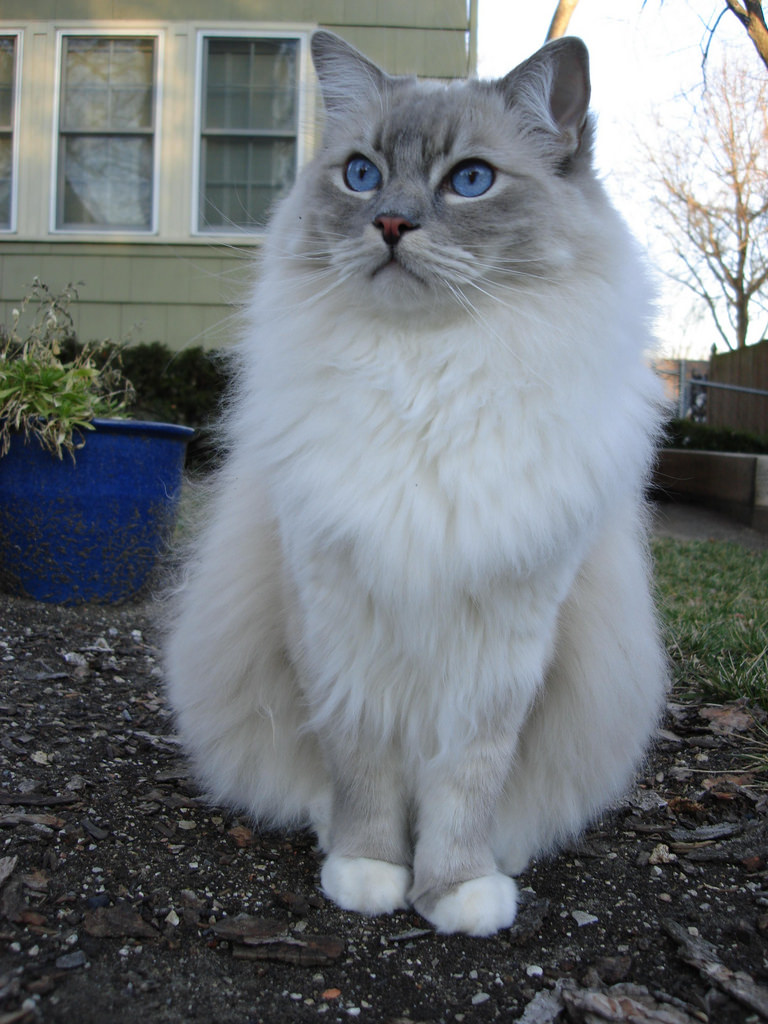
| Coat | Semi-long, silky, low undercoat |
| Energy Level | Low to moderate |
| Shedding | Moderate |
| Grooming burden | Low to moderate |
| Eye colour | Blue (all registered Ragdolls) |
| Maturity | Slow — full size at 3 to 4 years |
| Hypoallergenic | No |
The Origin Story, and the Caveat
The Ragdoll was developed in California in the 1960s by a breeder named Ann Baker, working from a white domestic long-haired cat named Josephine and her offspring. The distinctive claim was that these cats were unusually placid and would relax completely when lifted—and that Josephine's temperament changed after she was struck by a car, a story used to market the new breed.
That account does not hold up as genetics, and the breed's early history is genuinely disputed: Baker's claims and her restrictive commercial practices mean the origin narrative should be read as marketing as much as history. What is not in dispute is the outcome. Whether through deliberate selection or the founder cats' own dispositions, the Ragdoll is a real and consistent breed—recognised for an unusually low level of defensive behaviour, confirmed by the blue eyes and colourpoint pattern inherited from Siamese and Birman ancestry in its background.
Understanding the breed means understanding that its most attractive trait and its primary risk are the same characteristic.
The Temperament, and Its Cost
Ragdolls are consistently described as affectionate, gentle, tolerant, and non-aggressive. They typically follow their people from room to room, often go limp when picked up—hence the name—and show remarkably little of the wariness that keeps most cats out of trouble.
Several practical consequences follow, and they are not minor.
They should not go outdoors unsupervised. A cat with a muted defensive response and limited instinct to flee is not equipped to handle traffic, dogs, or aggressive cats. The breed belongs indoors or in a securely screened enclosure. This is a welfare requirement rather than an aesthetic preference.
They hide pain and illness exceptionally well. A cat that does not protest when handled is also a cat that may not tell you something hurts. Owners should rely on observation rather than on the cat's behaviour: appetite, litter tray habits, activity level, weight, and grooming are the indicators to watch, because the cat itself will not signal distress reliably.
They need deliberate protection from rough handling. Tolerance is not consent. Children should be taught to be gentle with any cat, and the Ragdoll's patience means it is more likely to endure treatment it dislikes rather than remove itself—which is precisely why the household must set the standard.
They are also notably social. Ragdolls do not do well with long periods alone, and many bond closely enough that a second cat is a genuine welfare improvement rather than a luxury.
Coat and Grooming
Here the Ragdoll is far easier than its appearance suggests. The coat is semi-long and silky, with a limited undercoat—unlike the Persian, whose dense single coat mats readily. Ragdolls shed moderately, and the coat generally stays tangle-free with brushing two to three times a week and rather more during the spring and autumn moults.
Two areas need routine attention. Behind the front legs and around the hindquarters, where the coat is longer, is where tangles begin; a few minutes spent there prevents most problems. And because the breed's low activity level combines with a large frame, weight management becomes a grooming-adjacent issue: an overweight Ragdoll cannot groom its own hindquarters effectively, and the cycle of reduced grooming and matting follows quickly. Keep the cat lean and the coat largely takes care of itself.
Size and Maturity
This is a large cat with an unusually long development period. Males commonly reach 7 kg or more, with some exceeding 9 kg, and females typically 4.5 to 6.8 kg—but the breed does not finish growing until around three or four years of age. Owners feeding a young Ragdoll for its apparent size, rather than for its age, frequently overfeed; the right approach is to feed for current body condition and reassess as the cat fills out.
A related practical point: because the breed is large and slow-maturing, some veterinarians adjust anaesthetic and medication calculations carefully by current weight rather than assuming adult values. If your cat is under two years old, state the age clearly before any procedure.
Health Conditions to Screen For
Hypertrophic cardiomyopathy (HCM) is the most important inherited condition in the breed. It involves thickening of the heart muscle, can progress to heart failure or cause sudden death, and—as in most cats—can be present for years with no outward signs. A genetic mutation associated with HCM has been identified in the breed, and DNA testing plus periodic echocardiography by a veterinary cardiologist are the standard tools. Because of the breed's size, HCM also has a particular relevance here: a thickened heart in a big cat may be dismissed as normal athletic remodelling, so explicit screening is worthwhile.
Mucopolysaccharidosis type VI (MPS VI) is a rare but serious inherited metabolic disorder that occurs in the breed and for which a DNA test exists. Affected cats may show facial changes, skeletal abnormalities, and reduced growth.
Urinary and dental conditions occur at ordinary rates, but the breed's placid nature means early signs are easy to miss. Routine veterinary examination, attention to litter tray habits, and dental care are the practical countermeasures.
Care Essentials
Grooming. Two to three brushes a week, more during moult. Pay attention to the flank and hindquarters.
Environment. Indoor-only, with secure screens on windows and a cat-proofed balcony if the cat has outdoor access. Provide height, since Ragdolls enjoy an elevated perch even at low activity levels, and provide company—either human or feline.
Feeding. Measured portions, adjusted to body condition. The combination of size and low energy makes this breed prone to gradual weight gain that is easy to overlook.
Interaction. Ragdolls will play, but gently and briefly rather than athletically. Short interactive sessions with a wand toy are usually appreciated and help with weight management. Avoid rough play with hands, since the breed's tolerance can turn play into something an owner misreads.
Who the Ragdoll Suits
The breed is an excellent choice if you want a highly affectionate, dog-like cat that wants to be involved in everything; if you have the time to be present; if you are looking for a cat that tolerates gentle handling by careful children and enjoys other pets; and if you will keep it indoors.
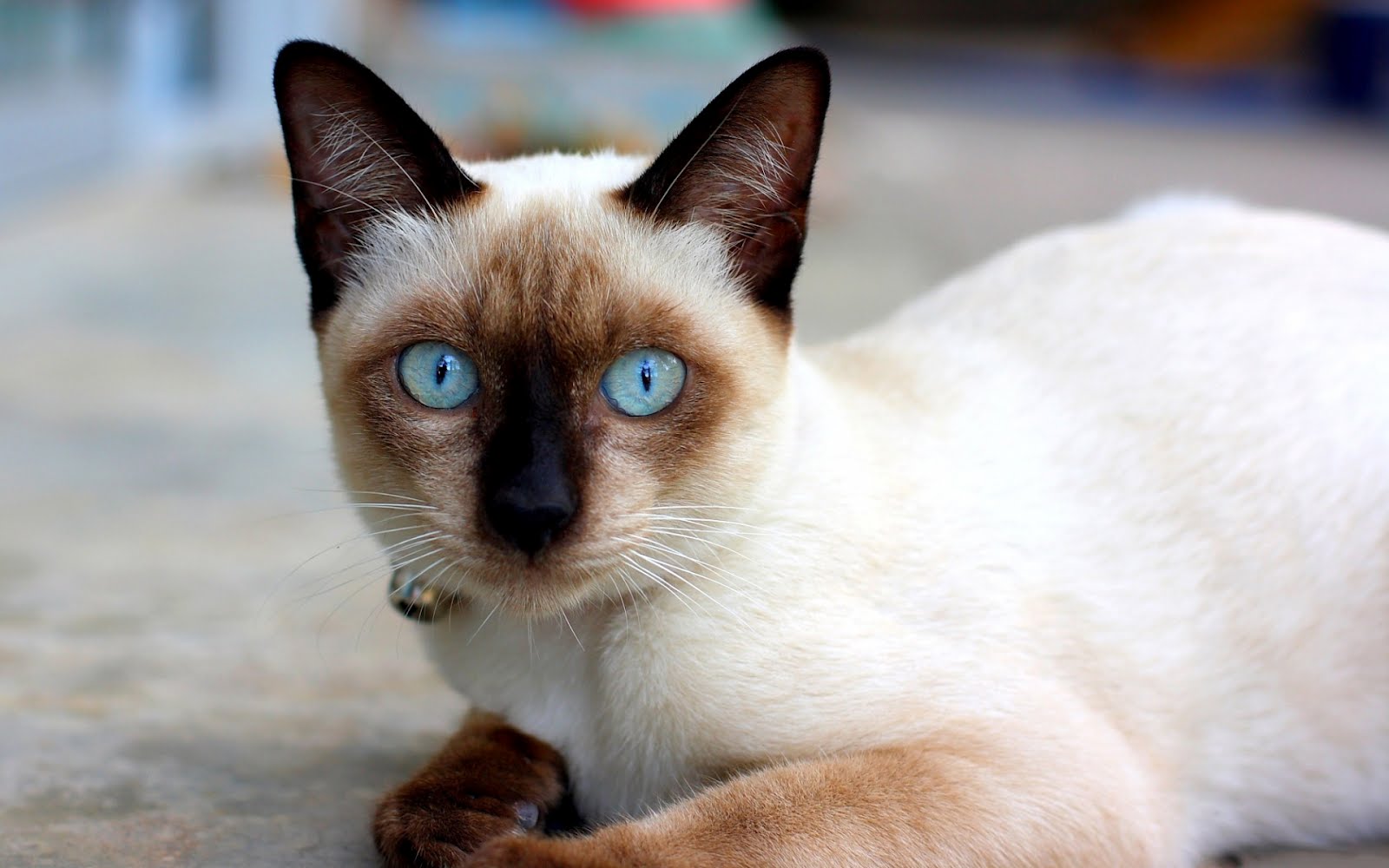
Choose a different breed if you want a cat that goes outside; if you want an independent animal that entertains itself; if a cat following you constantly would feel like a burden rather than a pleasure; or if you are hoping for a quiet, self-contained companion. If you admire the temperament but want a slightly more athletic and vocal cat, a Burmese or Siamese offers similar sociability with a very different personality.
Frequently Asked Questions
Why is it called a Ragdoll?
Because the breed typically relaxes and goes limp when lifted, rather than stiffening or struggling. The name describes that trait directly.
Can a Ragdoll live outdoors?
No—not free-roaming. Its low defensive drive and limited instinct to escape make the outdoors genuinely dangerous for this breed. Indoors, or a securely screened enclosure, is the appropriate arrangement.
How much grooming does a Ragdoll need?
Two to three brushings a week for most of the year, increasing during the seasonal moults. The coat is silky and low in undercoat, so it is considerably easier to maintain than a Persian's.
What health problems should I worry about?
Hypertrophic cardiomyopathy is the main inherited concern—it is common enough in the breed that screening and cardiology assessment are standard practice, particularly for breeding cats. MPS VI is rarer but has a DNA test. Because the cat masks illness well, routine veterinary checks matter more than the cat's apparent calm might suggest.
Is the Ragdoll good with children and other pets?
Generally yes. The breed is patient and tolerant, and most Ragdolls accept respectful children and other pets readily. The risk is not aggression but over-tolerance: children must be taught to handle the cat gently, because the cat itself may not object.