Persian: Is This the Right Cat for You?
Breed at a Glance
| Attribute | Detail |
|---|---|
| Origin | Persia (modern Iran) |
| Size | Medium |
| Weight | 3.5 – 6 kg |
| Lifespan | 12 – 17 years |
| Coat | Long, single layer |
| Energy Level | Very low |
| Shedding | Moderate, but mats rather than drops |
| Grooming burden | High — daily |
| Vocality | Low |
| Good with children | Yes, if children are gentle |
| Hypoallergenic | No |
Where the Persian Came From
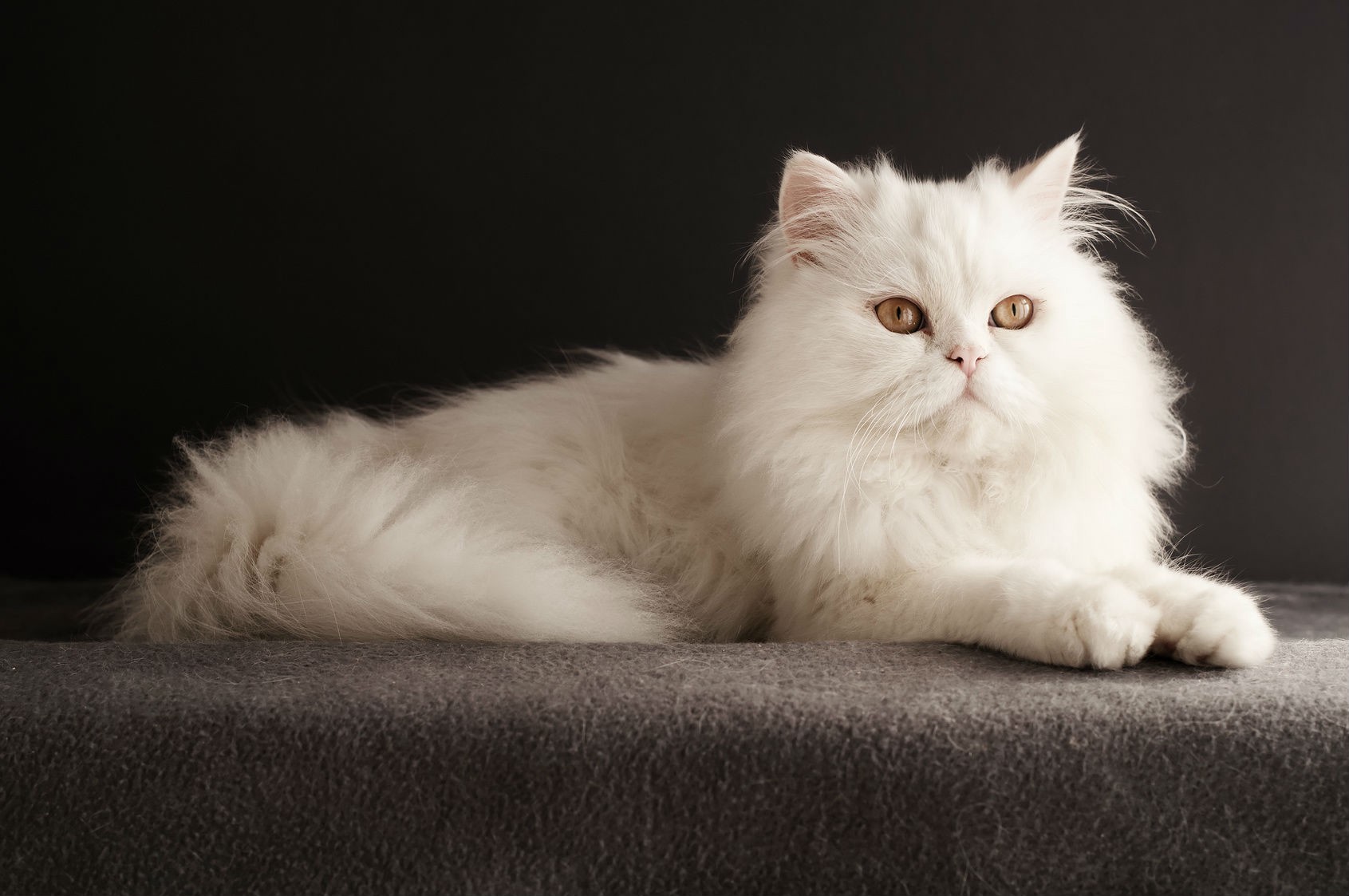
The breed reached Europe in the 1620s, when the Italian traveller Pietro della Valle brought long-haired cats back from Persia—the region now called Iran—and they were subsequently bred and shown in Britain from the late nineteenth century onwards. The cats were valued as ornament: a beautiful, calm animal suited to a drawing room rather than a working life. That origin is the key to understanding the breed, because the Persian was shaped entirely by human preference for appearance and docility, with no functional job to keep it honest.
The consequence of a century and a half of selection for a rounder head and a shorter face is the trait that defines the modern Persian: brachycephaly, the flattened skull that produces the characteristic look and most of the breed's health burden.
The Flat Face, Stated Plainly
This is the part prospective owners need to understand before anything else.
The Persian's shortened muzzle and nasal passages mean that breathing is structurally less efficient than in a cat with a normal face. Many Persians snore, breathe audibly at rest, and tire more quickly than other cats. In more extreme individuals, narrowed nostrils and an elongated soft palate cause genuine difficulty, and surgical correction is sometimes appropriate. Warm weather and stress both make it worse, and air travel requires specific consideration for this reason.
The tear ducts are also affected. The drainage route from eye to nose is compressed or kinked, so tears overflow onto the face instead of draining, and the resulting moisture combined with the breed's pale coat produces the brown tear staining that owners recognise. This is not a cosmetic detail—it requires wiping the face once or twice daily, and neglected staining can allow skin irritation and infection to develop underneath.
Other structural consequences follow the same logic. The shortened jaw crowds the teeth, producing misalignment and a higher rate of dental disease. The head shape contributes to a higher rate of difficulty in giving birth, with a substantial proportion of Persian litters delivered by caesarean section. None of this makes the breed unkeepable, but it makes it a breed with predictable, ongoing care requirements rather than occasional ones.
The Coat
The Persian's long coat is unusual in a specific way: it is essentially single-layered, without the dense insulating undercoat that characterises most long-haired breeds. That makes it soft and relatively light—and also prone to tangling. The coat mats rather than sheds, which means the hair does not fall out and distribute itself around the house so much as accumulate in felted clumps against the skin.
The practical result is that daily grooming is not optional. Roughly ten to fifteen minutes with a metal comb reaching down to the skin, every day, keeps the coat functional. Miss several days and mats form that cannot be combed out without pain, and the usual resolution is a professional shave or a "lion cut"—which is a reasonable management decision rather than a failure, but not a look every owner wants. A Persian whose coat is neglected will develop skin problems beneath the mats, since the trapped hair holds moisture and restricts airflow.
Temperament: Calm Rather Than Cuddly
The Persian is quiet, low-energy, and undemanding of attention in the way that breeds like the Siamese are not. They are not especially vocal. They are affectionate in a settled way—preferring a favourite spot near their person over being carried around—and many individuals dislike being picked up. They are sensitive to loud noise and household disruption.
They suit households that are calm and predictable, and they often do well with older children who handle gently. They do not suit chaos, and they generally do not initiate play the way a more athletic breed will. The energy level is genuinely low, which makes them well suited to apartment living—but it also means they gain weight easily and need their food measured rather than free-fed.
Health Conditions to Screen For
Polycystic kidney disease (PKD) is the breed's most significant inherited condition. Cysts form in the kidneys and progressively replace functional tissue, leading to chronic kidney disease at a relatively young age in affected cats. A DNA test exists and is inexpensive. Because the disease is common in the breed, any Persian should ideally come from lines that are tested—and a cat with a PKD diagnosis requires regular monitoring of kidney values and blood pressure.
Hypertrophic cardiomyopathy (HCM) occurs in the breed and, as in most cats, develops silently. Screening by echocardiogram is appropriate where the parentage is known. Progressive retinal atrophy (PRA) causes gradual vision loss and is testable in some lines. Glycogen storage disease type IV is a rare but serious inherited disorder with a DNA test available.
Two practical notes follow. First, ask a breeder for test results rather than reassurances—these are all conditions with no visible early signs. Second, because the breed's dental crowding is structural, plan on professional dental assessment as part of routine care rather than treating it as optional.
Care Essentials
Grooming. Daily combing to the skin, plus keeping the eyes and the area beneath them wiped clean, plus attention to the skin folds. This is the largest single time commitment the breed imposes and the one most often underestimated.
Feeding. Use a flat, shallow dish. A deep bowl presses the whiskers and, combined with the shortened muzzle, can make eating awkward—and some Persians will scoop food out onto the floor rather than eat from a deep bowl. Measure portions; this is a low-activity breed with a high obesity risk.
Environment. Keep the home cool in summer and provide quiet resting places away from noise. Avoid strenuous exercise and long periods in warm rooms. A damp cloth and a soft brush kept near the cat's favourite chair make the daily routine easier to sustain.
Veterinary care. Routine vaccination and parasite prevention as for any cat, plus specific attention to the kidneys, the heart, the teeth, and the face. Given the breed's structure, an annual examination that includes oral assessment is worth more than in many other breeds.
Who the Persian Suits
This cat is a good choice if you want a quiet, beautiful, undemanding companion; you are home enough to sustain a daily grooming routine; you prefer a cat that sits beside you rather than on you; and you are willing to accept ongoing veterinary attention to the face, teeth, and kidneys.
Choose a different breed if you want a cat you can brush once a week; if shedding and hair are a problem for you; if you want an active, playful, talkative companion; if your household is loud or irregular; or if allergies are a consideration, since the Persian is not hypoallergenic despite its long coat. If you admire the Persian's temperament but want a lower-maintenance version of it, the British Shorthair offers much of the same calm independence with a coat that requires a fraction of the work.
Frequently Asked Questions
How much grooming does a Persian really need?
Daily combing down to the skin, roughly ten to fifteen minutes, plus daily wiping of the eyes. Skipping days leads to mats that cannot be combed out, and matting is a welfare issue rather than a cosmetic one.
Do all Persians have breathing problems?
Not all, but the breed's flattened airways make audible breathing, snoring, and exercise intolerance common. Severity varies with how extreme the individual's face is. Any cat with obvious difficulty breathing at rest should be assessed by a veterinarian.
What is the lifespan of a Persian?
Typically twelve to seventeen years with good care. The main threats to reaching the upper end are kidney disease, cardiac disease, and dental disease—which is why screening and routine dental care matter more in this breed than in many others.
Are Persians good with children and other pets?
Generally patient and tolerant with gentle children, and usually accepting of other pets given a careful introduction. They are not a breed that will enjoy rough handling, and their low energy means they will avoid rather than engage when a household becomes boisterous.
Should I shave my Persian in summer?
A lion cut is a legitimate way to manage severe matting or allow the skin to recover, and many owners use it for the hottest months. It is a management tool rather than a necessity, and the underlying requirement—daily grooming—does not change.