Origin and Early History
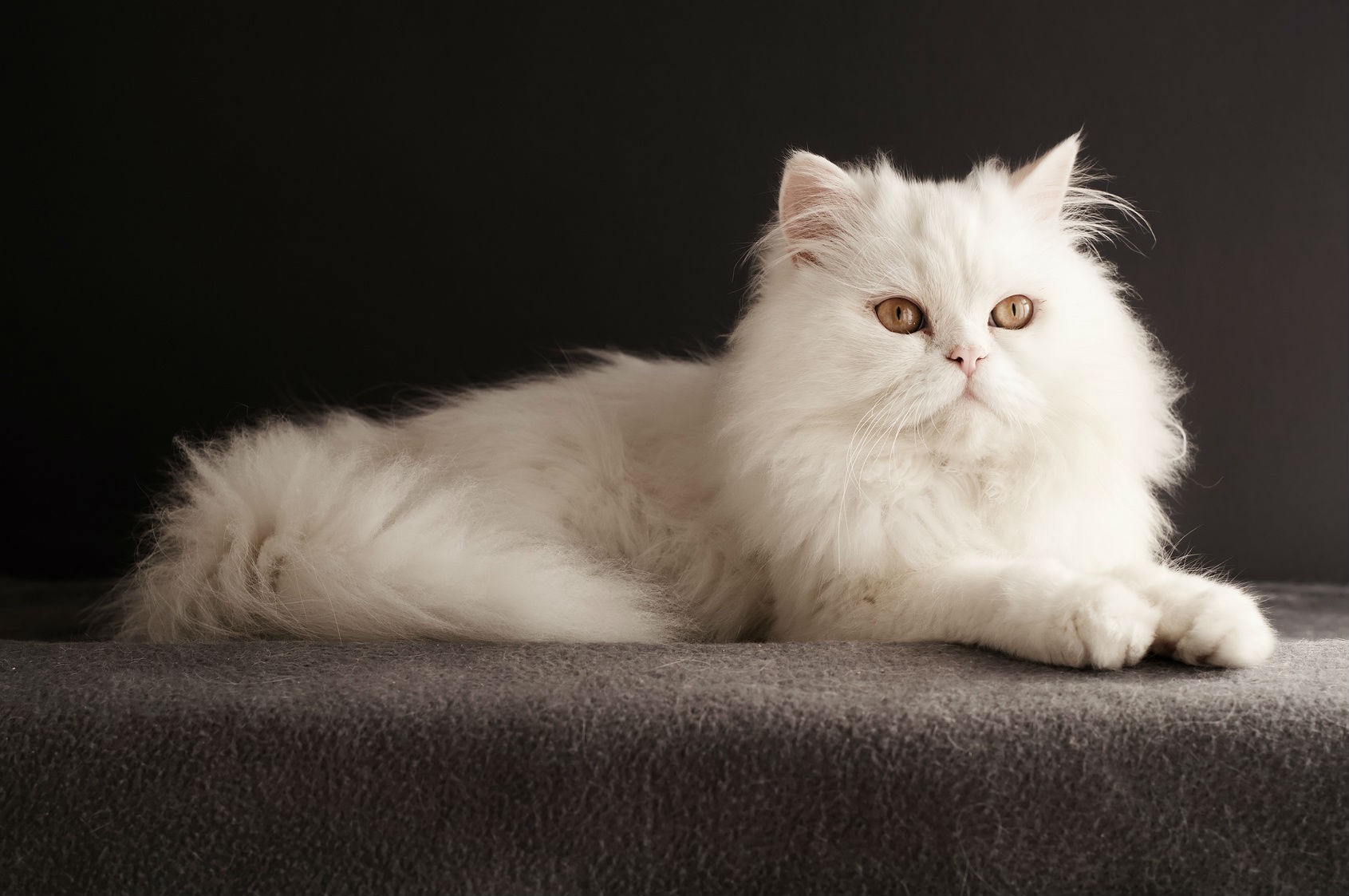
The Persian cat, renowned for its long, luxurious coat and distinctive round face, traces its origins to the region of Persia, now referred to as Iran. The earliest documented ancestors of the Persian cat may have been imported from Khorasan, which spans Eastern Iran or Western Afghanistan, into the Italian Peninsula in 1620 by the Italian nobleman Pietro Della Valle. These cats, distinguished by their grey coat, were brought to Rome with the intention of establishing the breed in Italy.
Historical records from the 19th century provide stronger evidence of a longhaired cat breed from Afghanistan and Iran/Persia. Persian cats have been widely recognized by the North-West European cat fancy since the late 19th century, and post-World War II, breeders from North America, Australia, and New Zealand initiated efforts to cultivate the breed.
Recent genetic research reveals that present-day Persian cats are genetically most closely related to the British Shorthair, Chartreux, and American Shorthair, rather than cat breeds from the Near East. This finding suggests that while the early Persian cat may have originated from Persia, the modern Persian cat has lost its phylogeographical signature, indicating a more recent European genetic influence.
Breed Characteristics
Persian cats are defined by their long, silky coat and round face, which has resulted in a variety of coat colours. However, this selective breeding has also led to increasingly flat-faced Persian cats, a feature favored by some cat fanciers. This head structure, however, can bring with it several health problems, including breathing difficulties and hereditary polycystic kidney disease (PKD), which affects nearly half of the Persian cat population in some countries.
The Persian cat is known for its sweet, gentle temperament, making it an excellent companion for families and children. They can be playful or quiet and laid-back, enjoying lounging around the house. While they do not mind a full house or active kids, they will usually hide when they need some alone time.
The Persian cat has a medium energy level, shedding level, and trainability. They are affectionate and loyal, but may be less vocal than other breeds. Their life span is typically 14 to 15 years, and they weigh between 4 to 6 kg.
Breed Development and Variants
The first Persian cats were showcased at the first organized cat show in 1871 in London, England. As the breed gained popularity, attempts were made to differentiate it from the Angora, leading to the development of the first breed standard in 1889. However, not all cat fanciers agreed with the idea of making a distinction between the two types.
The Himalayan, a breed created by crossing the Siamese with the Persian, was recognized in 1950. It was named after other colorpoint animals such as the Himalayan rabbit. In the United States, the Cat Fanciers' Association (CFA) merged the Himalayan with the Persian in 1984, to the objection of the breed councils of both breeds.
In the late 1950s, a spontaneous mutation in red tabby Persians gave rise to the "peke-faced" Persian, named after the flat-faced Pekingese dog. This type fell out of favor by the mid-1990s due to serious health issues, but breeders continued to breed towards the peke-face look, leading to the term "ultra-typing. " Despite these changes, the Persian Breed Council's standard for the Persians remained the same, focusing on a rounded head, large, wide-spaced round eyes, and a short, cobby body.
Health Considerations
Hereditary polycystic kidney disease (PKD) is prevalent in the Persian cat breed, affecting nearly half of the population in some countries. This condition is characterized by the formation of fluid-filled cysts in the kidneys, which can lead to kidney failure and other health complications.
The selective breeding that has created the Persian cat's distinctive appearance has also led to potential health issues. Flat-faced Persians, in particular, may experience breathing difficulties due to their shortened nose, which can lead to conditions such as brachycephaly and respiratory problems.
Popularity and Recognition
In 2021, Persian cats were ranked as the fourth-most popular cat breed in the world according to the Cat Fanciers' Association (CFA), a US-based international cat registry. This recognition reflects the breed's enduring popularity and its status as a favorite among cat lovers worldwide.
The Persian cat has been widely recognized and appreciated for its gentle nature, beautiful coat, and affectionate personality. Its long history and distinct characteristics have made it a cherished companion for many cat owners. The breed's popularity has also led to a variety of color and pattern variations, each with its own unique charm.
Buying a Persian Cat: What to Consider
- Health: Ensure that the breeder conducts genetic testing for PKD and other potential health issues. It is also advisable to inquire about the health of the cat's parents and siblings.
- Temperament: Persian cats are known for their gentle nature and affectionate personality, making them great companions for families and individuals alike. Consider whether the cat's temperament aligns with your lifestyle and living situation.
- Cost: Be prepared for ongoing costs associated with veterinary care, grooming, and food.
By considering these factors, you can make an informed decision when choosing a Persian cat and ensure a long and happy relationship with your new pet.
Frequently Asked Questions
What is the lifespan of the Persian?
The average lifespan of the Persian is about 14 - 15 years. Good nutrition and regular veterinary care support a healthy life.
What is the temperament of the Persian?
The Persian is known for: Affectionate, Loyal, Sedate, Quiet. Its affection rating is very high. Its energy level is low.
What size and weight is the Persian?
It is a medium-sized cat, typically around 4 - 6 kg as an adult.
Is the Persian easy to care for?
Available ratings indicate very high grooming needs, and high shedding. Routine brushing, ear and dental care, and nail trims are still recommended.
Is the Persian good with kids and other pets?
Available ratings indicate relatively low child-friendliness, and relatively low pet-friendliness. Supervised, gradual introductions are recommended.
How much exercise does the Persian need?
With a low energy level, it needs walks, play or training matched to its stamina.



