Hairballs in Cats: Causes, Prevention and Care
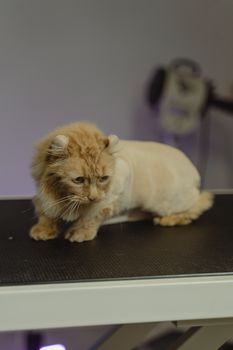
A Hairball Is Not Normal — Occasional Ones Are
Start with the definition, because most of the confusion comes from it. A hairball (trichobezoar) is a matted accumulation of swallowed hair. Cats swallow hair every day; the great majority passes through the gut and leaves in the faeces. A true hairball is what happens when that process fails.
So the correct framing is this: a hairball is a symptom of hair failing to transit the digestive tract, not a normal product of being a cat. A cat that produces one or two a year, always in shedding season, is fine. A cat that produces one a week is telling you something.
That distinction changed in veterinary practice over the last decade. When owners report frequent hairballs, clinicians increasingly look past the hair — because in a significant share of cases, the underlying problem is not hair at all.
What Owners Call a Hairball Is Often Something Else
Cats vomit, cough, and regurgitate in ways that look similar from across the room, and owners frequently report all three as hairballs.
| What it actually is | What you see | What it means |
|---|---|---|
| True hairball | Retching, then a cylindrical mat of hair, often with some fluid | Hair accumulation; often associated with over-grooming or slow transit |
| Vomiting | Abdominal heaving, often with food or bile, frequently without hair | A wide range of causes, from hair to inflammation to obstruction |
| Regurgitation | No effort — food simply appears, often in a tubular shape, right after eating | Oesophageal problem, or simply eating too fast |
| Coughing | Neck extended, a wheeze or honk, no abdominal effort | Respiratory — asthma is common in cats and is routinely misread as a hairball |
That last row is the one that causes real harm. Feline asthma presents as a crouched, neck-extended coughing fit that owners describe as "trying to bring up a hairball." Cats do not cough up hairballs. If there is no hair and the posture is a cough, the cat needs a chest assessment, not a hairball remedy.
Video the episodes. Thirty seconds of phone footage showing the posture resolves the question faster than any description.
Why Hair Accumulates
Three factors, and they are worth separating because each has a different fix.
Ingestion. Long-haired breeds (Persian, Ragdoll, Maine Coon, British Longhair) and dense-coated cats swallow more hair. So do cats that groom excessively — and over-grooming is frequently a response to stress, skin disease, or pain rather than a coat problem.
Transit. Hair moves through the gut with everything else. Anything that slows gut motility keeps hair in the stomach longer, which gives it time to clump. Dehydration does it. So does a low-fibre diet. So does inflammatory bowel disease.
Retention. Mechanical obstruction, whether by hair or anything else, is the most serious and least common cause.
The Problem With the Classic Advice
Most hairball prevention advice centres on lubricant pastes, and much of it contains mineral oil or petrolatum. These do coat the hair and help it slide through, and for an occasional hairball in a long-haired cat they are reasonable.
The issue is long-term use. Mineral-oil-based products are not absorbed and can interfere with the absorption of fat-soluble vitamins, and they mask the underlying problem rather than changing it. A cat on a permanent hairball paste is a cat whose real problem has not been found.
There is also a hygiene problem with the older home remedy of adding butter or oil to food — that simply adds fat without addressing motility.
What to Change Instead
1. Groom the cat, not just the house. Brush short-haired cats two to three times a week and long-haired cats daily, with an undercoat rake during shedding season. This is the only intervention that acts on the actual source, and it is the one that requires the least shopping.
2. Increase water intake, because hydration drives transit. Cats are chronically under-hydrated on dry food. A circulating fountain, wet food as at least half the diet, and adding a little warm water to meals all raise total intake. This is the highest-value change for most cats.
3. Look at fibre, but understand the split. There are two opposing approaches and both have a rationale:
- Insoluble fibre adds bulk and stimulates gut motility, helping hair move through.
- Psyllium works as a soluble fibre and forms a gel that can carry hair along.
- Highly digestible, low-residue diets — the opposite strategy — sometimes reduce hairball frequency by reducing the total undigested material in the gut.
Which works depends on the individual cat. A common practical approach is a small amount of plain cooked pumpkin or a fibre supplement for a few weeks, and if that does not help, discuss a therapeutic diet with a vet rather than escalating supplements.
4. Treat parasites and skin disease. Fleas and intestinal worms both raise grooming and disrupt digestion. A cat with a hairball problem should be on a real parasite prevention plan, not an ad hoc one.
5. Address over-grooming as behaviour. If the cat is licking more than normal — bald patches on the belly or inner legs, hair loss in a symmetrical pattern — the cause may be stress, allergy, or pain. Hairballs in an over-grooming cat are a downstream symptom.
When Frequent Hairballs Mean Something Serious
This is the part owners most often miss. In cats with chronic and frequent "hairball" vomiting, investigation frequently reveals one of:
- Inflammatory bowel disease — chronic intestinal inflammation that slows transit and increases vomiting.
- Gastrointestinal lymphoma — a common cancer in older cats, presenting initially as nothing more than recurrent vomiting.
- Chronic constipation or megacolon — a large, retained mass of hair and faecal material.
- Intestinal obstruction — a true blockage, which is a surgical emergency.
The practical implication is straightforward: a cat vomiting more than once a month, or with any accompanying weight loss, appetite change, or lethargy, needs a veterinary workup rather than more hairball paste. A physical exam, bloodwork, and often an ultrasound are the appropriate next steps.
The Emergency Signs
Go to a clinic the same day if you see:
- Repeated vomiting for more than 24 hours, or any inability to keep water down.
- A distended, painful abdomen, or unproductive retching.
- Complete refusal of food for more than 24 hours.
- No bowel movement for more than three days, or straining without producing anything.
- Marked lethargy or hiding, especially in a cat that is normally social.
Frequently Asked Questions
How often is too often for a hairball?
One or two a year, typically in shedding season, is ordinary. Once a month or more frequently warrants investigation, because a cat vomiting regularly is not simply producing hair — the pattern usually points to slowed gut transit or an underlying intestinal problem rather than to the hair itself.
Why is my cat gagging but not producing a hairball?
Gagging without a hairball can be vomiting, regurgitation, or a cough. Cats do not cough up hairballs, so a crouched, neck-extended episode with a wheeze and no hair is more likely feline asthma than a hairball. Filming the episode is the fastest way to get an accurate answer from your vet.
Do hairball pastes actually work?
Lubricant pastes containing mineral oil or petrolatum do coat hair and help it pass, and for an occasional hairball in a long-haired cat they are reasonable. They are not a long-term solution, because they mask rather than change the underlying cause and can interfere with absorption of fat-soluble vitamins with prolonged use.
Will changing cat food help with hairballs?
Often, yes, though the right change depends on the cat. Increasing water intake through wet food is the highest-value adjustment, because hydration drives gut motility. Beyond that, some cats do better with added fibre and others with a highly digestible low-residue diet, so it is worth discussing the pattern with a vet before committing.
Can hairballs cause a blockage?
Yes, though it is uncommon. A large retained hair mass can obstruct the intestine, producing repeated vomiting, a painful distended abdomen, refusal to eat, and no bowel movements. That combination is a surgical emergency and needs same-day veterinary assessment.
Does shaving my long-haired cat prevent hairballs?
It reduces the amount of hair the cat swallows during grooming, but shaving a cat has its own risks — impaired temperature regulation, sunburn, and stress — and does not address why the hair was failing to transit. Daily brushing plus improved hydration is the better first intervention for a matting-prone cat.