Caring for Senior Pets: Comfort and Health in Old Age
Age Is Not a Number, and It Is Not the Same Number for Every Pet
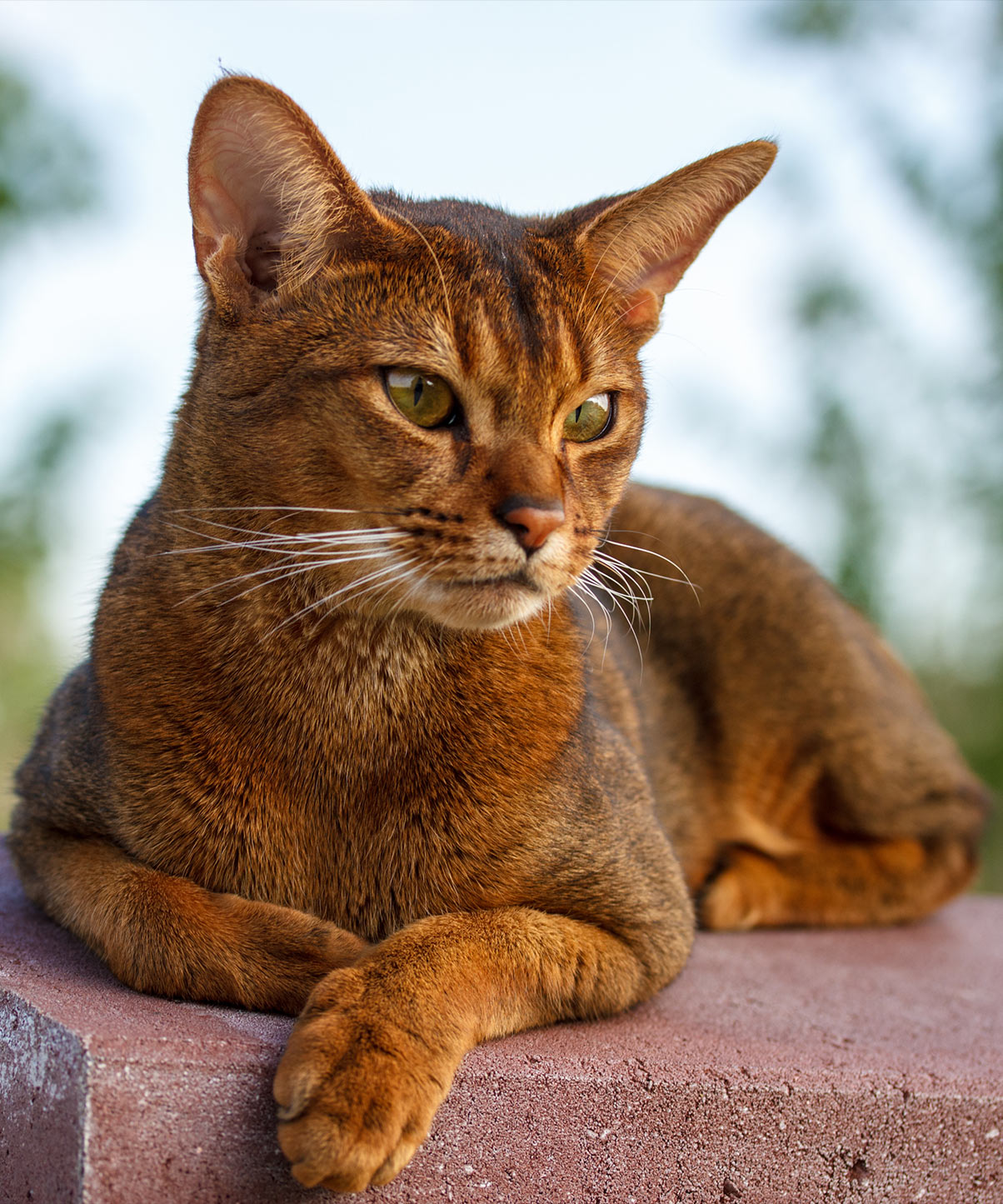
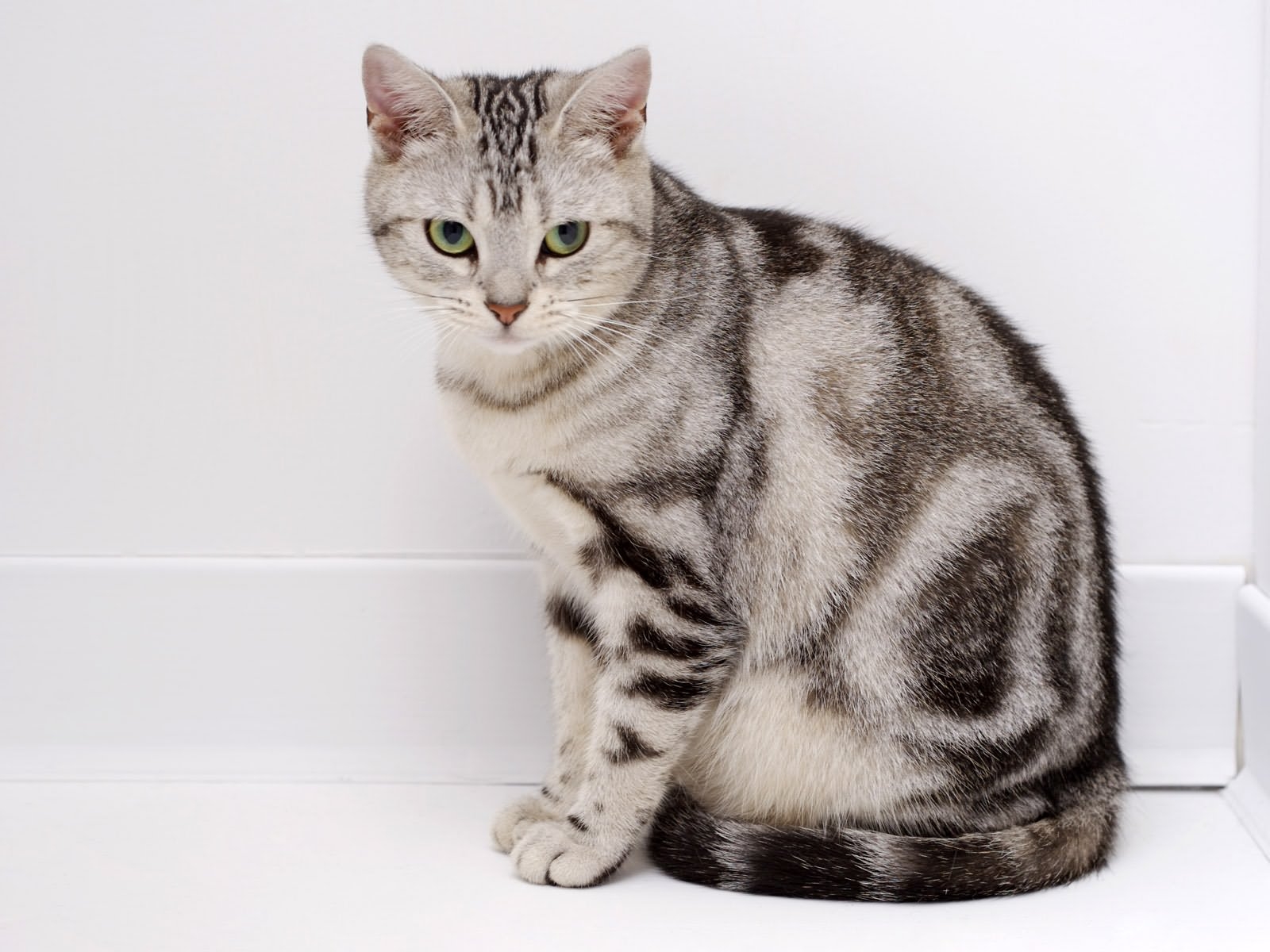
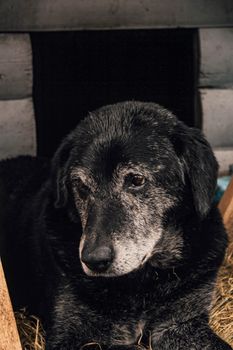
The question "when is my pet old?" has a misleadingly simple answer. Cats and most small dogs enter the mature and senior phases around seven years. Large-breed dogs age substantially faster and may be considered senior by five or six. A Great Dane at seven and a Chihuahua at seven are not the same animal physiologically, and they should not be treated as though they are.
Rough conversions are useful for intuition, if not for medicine:
| Life stage | Cat | Small dog (under 10 kg) | Large dog (over 30 kg) |
|---|---|---|---|
| Mature adult | 7–10 years | 7–9 years | 5–7 years |
| Senior | 11–14 years | 10–12 years | 8–10 years |
| Geriatric | 15+ years | 13+ years | 11+ years |
What matters more than the label is that the aging body loses reserve. Kidneys, liver, heart, and joints all have less margin for error, and the same disease that a young animal shrugs off can tip an older one over. That is why the frequency of veterinary visits increases with age rather than staying constant: twice yearly from the senior years onward is the standard recommendation, compared with annually for a healthy young adult.
This guide focuses on the cats, small mammals, and cross-species aspects of senior care. For the specific systems that change in aging dogs and the adjustments that help them at home, see our dedicated senior dog care guide.
The Cat Problem: Three Diseases That Look Identical
Cats are masters of the ambiguous symptom, and three of the most common diseases of old age present with the same three complaints: drinking more, urinating more, and losing weight while eating well.
Hyperthyroidism. An overactive thyroid raises metabolic rate. The classic picture is a cat that eats constantly but loses weight, is restless or vocal at night, has a poor or greasy coat, and may vomit. Diagnosis is by blood test measuring T4, with free T4 or a thyroid scan when results are equivocal.
Chronic kidney disease. The kidneys lose functional tissue over months to years. The cat drinks more, urinates more, loses weight, and gradually loses muscle. Diagnosis rests on elevated creatinine and urea, low urine specific gravity, and increasingly on SDMA, a marker that rises earlier than creatinine in many cats.
Osteoarthritis. The most under-diagnosed of the three, and the one owners most often attribute to "just getting old." Radiographic studies have found evidence of degenerative joint disease in the large majority of older cats, while only a small minority carry a diagnosis. Cats do not limp conspicuously. They stop jumping onto the counter, they hesitate before a leap, they sleep more, and they may urinate outside the box because the box has a high rim.
The reason this matters is that the three conditions can coexist, and their treatments can conflict. A high-protein kidney diet for one condition can worsen muscle loss; the standard thyroid treatment can unmask or worsen kidney values as metabolism slows. This is a genuine clinical balancing act and a good reason to have bloodwork interpreted by the vet who knows the whole picture rather than by a search engine.
Lab Work Owners Are Shown
You do not need to interpret results yourself, but knowing what each test is looking for makes the conversation with your vet considerably more productive.
- Creatinine and blood urea nitrogen (BUN). Kidney function markers. Creatinine is insensitive early, rising only after a substantial loss of function.
- SDMA. A kidney marker that can rise earlier than creatinine.
- Urine specific gravity. A measure of how well the kidney concentrates urine. Persistently dilute urine points toward kidney disease or, occasionally, hyperthyroidism or diabetes insipidus.
- T4. Thyroid hormone. High values indicate hyperthyroidism.
- Complete blood count. Anaemia, infection, and hydration status.
- Thyroid, glucose, and urine culture when the picture is muddled.
Protein: The Advice That Changed
For years, senior and kidney diets were formulated to restrict protein. Current thinking for healthy senior cats is closer to the opposite. Older animals lose muscle mass, a process called sarcopenia, and inadequate protein accelerates it. Muscle loss reduces strength, immune function, and quality of life, and it can mask other problems by holding body weight steady while lean mass falls.
The practical position, for a healthy senior pet without diagnosed kidney disease, is a diet with high-quality, highly digestible protein at adequate or slightly increased levels, adjusted for the individual. If kidney disease has been diagnosed, protein is still not eliminated; it is moderated and balanced against phosphorus, and the decision belongs to the vet.
Other nutrition points that matter in old age:
- Phosphorus control matters more than protein restriction in early kidney disease.
- Omega-3 fatty acids have evidence for joint comfort and are reasonable for cognitive support.
- Calorie density may need to rise rather than fall, because senior pets often eat less at each sitting.
- Warm, soft food may be necessary if dental pain is present.
Mobility, Measured
Rather than asking whether your cat seems arthritic, ask these specific questions, which turn a vague impression into a trend:
- Can the cat still reach its highest habitual perch?
- Does it jump down in one movement, or in stages?
- Has the litter tray been used differently, or missed?
- Does the dog sit differently, or stay down longer after standing?
- Are there mats in the coat that were not there a year ago?
When you find changes, adjust the home rather than the animal:
- Ramps and steps to reach favourite spots
- Low-sided litter trays, or a tray with a cut-down entry
- Non-slip runners on hard flooring, especially near food and water
- Orthopaedic bedding with a firm base and a soft top
- Elevated bowls for large dogs with neck or forelimb pain
- A warm resting spot, since warmth relaxes sore joints; heated mats, used safely, are valuable for cats with arthritis
Cognitive Decline Looks Different in Cats and Dogs
Both species can develop age-related cognitive dysfunction, and the presentation differs enough to be worth knowing.
In dogs, the pattern is often disorientation, altered interaction with the family, changed sleep-wake cycles with night waking, house soiling, and reduced activity. The acronym DISHA covers the categories and is widely used.
In cats, the same underlying process tends to show up as excessive vocalisation, particularly at night, wandering or staring at walls, a change in social behaviour, and elimination outside the litter box. In cats this is easy to confuse with hyperthyroidism or pain, so a veterinary assessment comes first.
For both, the useful interventions are unglamorous and effective: keep routines fixed, keep the environment navigable, add simple mental engagement, and ask the vet about available supportive medication and diets formulated for cognitive support.
Small Mammals Age Remarkably Fast
Owners of rabbits, guinea pigs, and hamsters should recalibrate. A hamster at two years is elderly. A guinea pig at five is senior, and six or seven is a good age. A rabbit at six is entering its senior years, with the same joints and kidneys that matter in a cat.
The specific senior concerns in small mammals differ:
- Rabbits. Dental disease becomes almost universal, and overgrown cheek teeth cause drooling, weight loss, and reduced eating. Mobility declines, and the spine and hocks are vulnerable.
- Guinea pigs. Vitamin C needs are constant and cannot be met without supplementation or fresh vegetables, and older animals are prone to urinary and joint problems.
- Hamsters. Congestive heart failure, tumours, and dental overgrowth are common in old age; the pace of decline is fast, which is normal for the species.
A Quality-of-Life Score You Can Track
When chronic illness is present, an honest total matters more than any single measurement. Keep a weekly score, from 0 to 10, on each of these items, and track the direction of travel rather than the absolute number:
- Eating. Is the pet taking food voluntarily and enough of it?
- Drinking. Adequate, without needing to be coaxed?
- Pain. Controlled by the current plan, judged by posture, breathing, and willingness to move?
- Mobility. Able to reach food, water, and the toilet area unaided, or with the current assistance?
- Hygiene. Clean and dry, without soiling that goes untreated?
- Interaction. Interested in the family, or withdrawn?
- Good days per week. Counted, not estimated.
Three consecutive weeks of decline across several of these items, particularly eating and interaction, is the signal to talk to a vet about whether the current plan is still achieving what the pet needs. A senior pet does not need to be vigorous to have a good life, but it should not be persistently uncomfortable.
Frequently Asked Questions
At what age does a dog or cat become senior?
Most cats and small dogs enter the senior range around seven to ten years. Large and giant breeds enter it earlier, often by five or six, because they age faster. The important consequence is not the label but the shift to twice-yearly veterinary visits and earlier screening.
My cat is losing weight but eating well. What does that mean?
It usually points to one of three common conditions: hyperthyroidism, chronic kidney disease, or diabetes, and sometimes more than one at the same time. The three conditions overlap heavily in presentation, so this pattern needs bloodwork and a urinalysis rather than a diet change.
Should senior pets eat less protein?
Not simply because they are old. Muscle loss is one of the most important problems in aging animals, and inadequate protein accelerates it. Healthy seniors generally need adequate high-quality protein. If kidney disease has been diagnosed, protein and phosphorus are moderated under veterinary guidance rather than eliminated.
Why does my old cat howl at night?
Excessive night vocalisation in an older cat commonly has a medical cause: hyperthyroidism, high blood pressure, pain, hearing loss, or cognitive dysfunction. Disorientation and anxiety are also common. This pattern deserves a veterinary assessment rather than being dismissed as normal aging.
How do I know when a senior pet's quality of life has declined too far?
Track a simple weekly score for eating, drinking, pain control, mobility, hygiene, interaction, and the number of good days. A sustained downward trend across several categories, especially eating and social interest, is the point to have an honest conversation with your vet about options and expectations.