Winter Pet Care: Keeping Pets Warm and Safe
Cold Tolerance Is Not Uniform
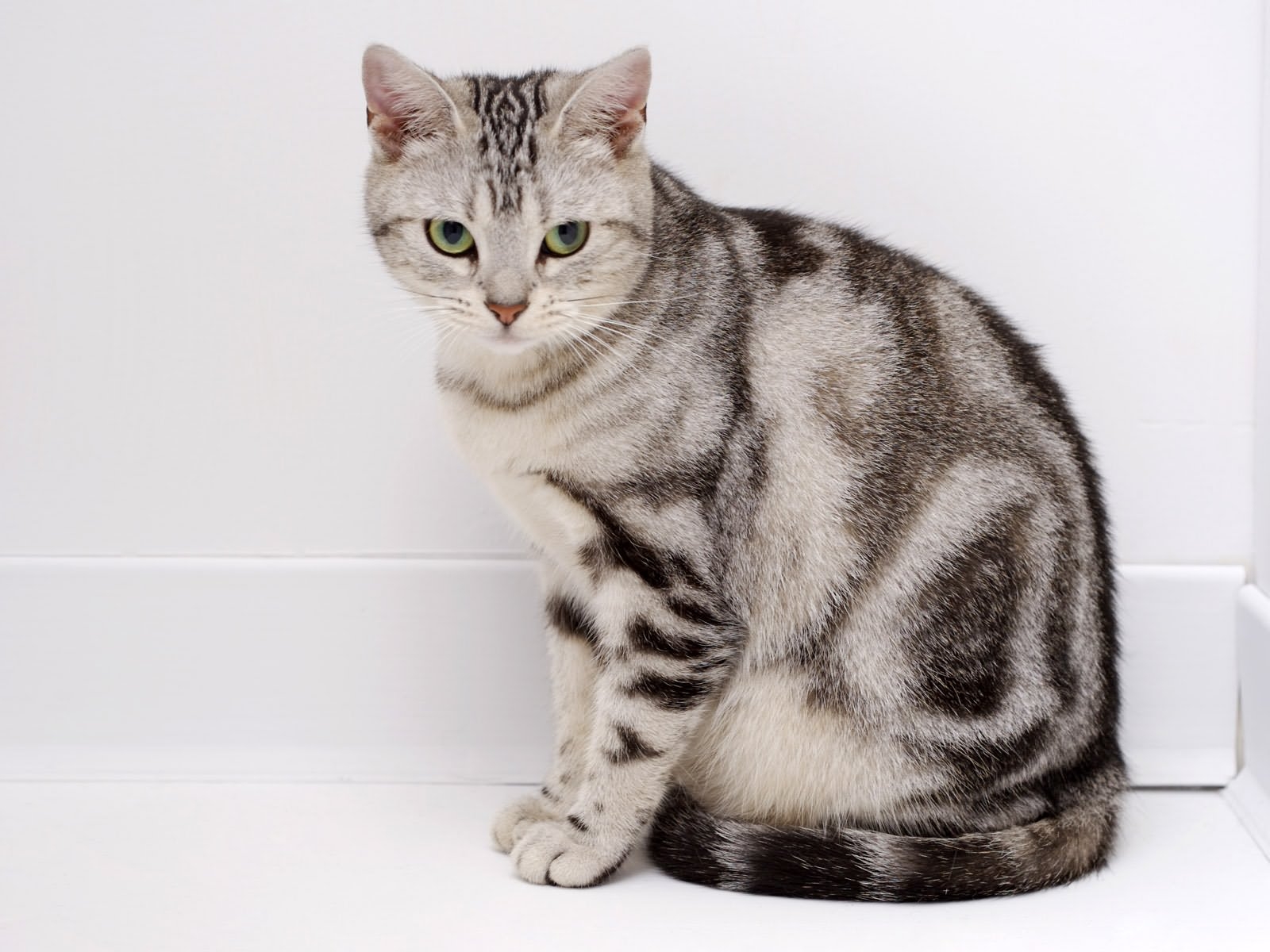
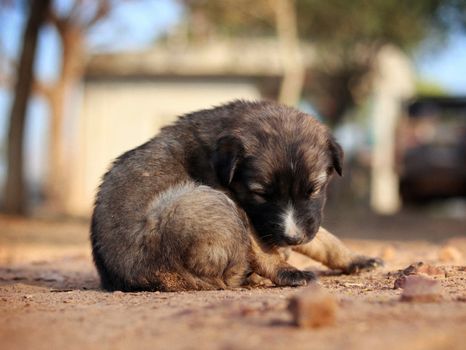
There is no single rule for how cold is too cold, because tolerance varies enormously. A Siberian Husky or a Great Pyrenees was bred to work in snow and will happily stay out far longer than its owner. A Chihuahua, a greyhound, a short-haired cat, or a thin-coated senior dog may be uncomfortable at temperatures that barely register for a northern breed—and at genuine risk once the thermometer drops near freezing.
Other factors matter as much as breed. Body fat provides insulation, so very thin animals chill faster. Very young and very old pets regulate temperature less efficiently. Pets with heart disease, kidney disease, or arthritis are more vulnerable. And wind and dampness make cold far more dangerous than temperature alone suggests: a wet dog in a cold wind loses body heat rapidly regardless of coat.
Spotting Cold Stress
Pets rarely complain in ways we recognize. Watch for these signs and act before they escalate:
- Persistent shivering that continues indoors
- Tucking the tail down and curling into a ball
- Lifting paws off the ground, whining, or refusing to walk
- Lethargy, weakness, or disorientation
- Pale or cold ears, paws, and gums—a sign of advancing hypothermia
Hypothermia is a medical emergency. Bring the animal indoors immediately, warm it gradually with blankets and gentle body contact, and contact a veterinarian. Do not use hot water, heating pads on bare skin, or rapid warming, which can cause burns and dangerous cardiovascular stress.
Outdoor Safety
- Shorten walks in severe cold and shift exercise to the warmest part of the day.
- Use a well-fitted coat for short-haired, small, thin, or senior dogs. Fit matters: a coat that bunches or restricts movement is worse than none.
- Protect paws with booties in snow, ice, and on treated surfaces. If your dog refuses booties, keep walks short and inspect paws afterward.
- Wipe paws after every walk. This removes ice, salt, and chemical de-icers, which are irritants and toxic if licked off. Pay attention to the spaces between the toes.
- Trim long paw fur carefully so it does not collect ice balls, but leave enough to protect the pads.
- Avoid frozen water. Ice on ponds and lakes is an obvious danger, and a dog chasing something onto thin ice can fall through within seconds.
The Antifreeze Danger
Antifreeze—ethylene glycol—is one of the most dangerous substances a pet can encounter, and winter is when it appears. It is used to de-ice windshields and top up radiators, it leaks onto driveways and garage floors, and it tastes sweet. A remarkably small amount can be fatal to a cat or a small dog, and the early signs of poisoning look like drunkenness: unsteadiness, vomiting, apparent confusion. By the time kidney failure becomes obvious, treatment is usually too late.
Store antifreeze sealed and out of reach, clean up spills completely, and consider propylene glycol products, which are far less toxic. If you suspect ingestion, treat it as an emergency and call a veterinarian or poison hotline immediately—do not wait for symptoms.
Indoor Warmth
Cold-weather comfort is mostly about drafts and floors.
- Provide warm, draft-free bedding placed off cold floors. Raised beds and thick blankets help older animals especially.
- Move beds away from doors, windows, and unheated tile or concrete—cold surfaces draw heat from a resting animal.
- Maintain a comfortable room temperature, but avoid placing beds directly against radiators or heaters, which can cause burns or overheating.
- Never leave a pet unattended with a space heater, and choose models that shut off automatically if tipped.
- Watch out for fireplaces and wood stoves: a pet can lie too close and suffer burns, and open flames need a screen.
Nutrition and Hydration
Winter affects caloric needs differently depending on lifestyle. Dogs that spend long hours working or exercising outdoors in the cold burn more energy and may need more food. Indoor pets, by contrast, often become less active in winter and need fewer calories to avoid seasonal weight gain—an easy trap, since owners tend to feed the same amount year-round regardless of activity.
Water matters too. Pets drink less when it is cold, and outdoor water bowls freeze. Provide fresh, unfrozen water indoors at all times, and consider a heated bowl for animals that spend significant time outside. Cats in particular respond well to a water fountain, which encourages intake.
Senior and Chronically Ill Pets
Cold stiffens arthritic joints, and winter is often when an older animal's mobility visibly declines. Keep these pets warm, provide soft, supportive bedding, keep walks short but regular, and ask your veterinarian about joint support—cold weather is a reasonable time to reassess pain management. Pets with heart or respiratory conditions should avoid cold air entirely where possible, since cold increases the workload on the heart and can trigger respiratory distress.
Car Caution Before You Start the Engine
Outdoor cats—and sometimes small wildlife—climb onto warm engines or into wheel wells to shelter from the cold. On cold mornings, knock on the hood, honk briefly, or lift the hood to check before starting the car. It takes a few seconds and can prevent a fatal injury.
The Summary
Winter care comes down to knowing your individual animal's limits, protecting paws and skin from ice and chemicals, eliminating the specific hazards of the season—antifreeze above all—and adjusting heat, food, and water to match. The pets that struggle most in winter are usually the ones whose owners assumed that "pets have fur, so they are fine."
Frequently Asked Questions
How cold is too cold for a dog?
There is no single temperature, because coat type, size, age, and health all change the answer. As a general guide, small, short-coated, elderly, and very young dogs need protection once temperatures approach freezing, while double-coated northern breeds tolerate far lower. Wind and wet cold reduce tolerance substantially regardless of breed.
Can pets get frostbite?
Yes. Frostbite most often affects the ear tips, tail tip, paws, and scrotum, and early signs are pale, grey, or hard skin that may later redden and peel. Warming should be gradual with lukewarm water and a veterinary assessment, since rapid warming damages tissue further.
Why is antifreeze so dangerous to pets?
Ethylene glycol is sweet-tasting, which makes it attractive to animals, and it is lethal in very small amounts. Even a few tablespoons can cause fatal kidney failure in a dog, and a teaspoon is enough to kill a cat. Signs appear within thirty minutes, and treatment is only effective if given very soon after ingestion.
Do pets need more food in winter?
Outdoor animals in cold climates burn more energy and may need more food, but for indoor pets in heated homes the answer is usually no. Reduced activity in winter combined with unchanged portions is a common cause of weight gain, so feed to body condition and reassess the amount as activity levels change.