Summer Care for Dogs: Keeping Your Dog Safe in the Heat
Dogs Do Not Sweat the Way You Think
A dog has sweat glands only on its nose and paw pads, and these contribute almost nothing to cooling. The overwhelming majority of heat loss happens through panting, which is evaporative cooling across the moist lining of the mouth, tongue, and upper airway. Rapid, shallow breathing moves a large volume of air over a large wet surface, and the evaporation carries heat away.
There is a physical catch. The efficiency of panting depends on the air being able to absorb more water vapour, which is why humidity matters more than owners expect. A dog in a humid 30 °C environment may struggle more than a dog in a dry 36 °C environment, because the second dog can still evaporate.
A dog's normal core temperature sits around 38.0 to 39.2 °C, slightly higher than a human's. The margin between normal and dangerous is narrower than most people assume.
The Three Stages, and Why They Matter
Heat illness in dogs is a progression, and the stage determines both the response and the prognosis.
Stage 1: Heat stress. Core temperature rises to roughly 39.5 to 40 °C. The dog is panting heavily, seeking shade, and may be less responsive to commands. This is uncomfortable but recoverable with prompt action: stop the activity, move to a cool space, offer water, apply cool water to the paws and belly.
Stage 2: Heat exhaustion. Core temperature roughly 40 to 41 °C. The dog is weak, unsteady, may vomit or have diarrhoea, and the gums may look dark or brick red. This requires active cooling and a veterinary call.
Stage 3: Heatstroke. Core temperature above roughly 41 °C, often accompanied by neurological signs: confusion, stumbling, a blank stare, collapse, tremors, or seizures. This is a life-threatening emergency and the dog needs to be cooled while being transported to a clinic, not after arriving.
The neurological involvement is the defining feature of heatstroke, and it reflects the underlying problem: at these temperatures, proteins begin to denature and cells throughout the body are damaged. The gut lining becomes permeable, releasing bacteria and toxins into the circulation, which triggers a systemic inflammatory response that can progress to disseminated intravascular coagulation and multi-organ failure.
This is why heatstroke is so much more dangerous than the temperature alone suggests, and why a dog that appears to recover in the car can deteriorate hours later. Even a dog that seems fine after a heat event should be examined, because the delayed complications are the ones that kill.
Why Humidity Turns a Warm Day Into a Deadly One
Because panting depends on evaporation, high humidity removes the dog's main cooling mechanism precisely when it is needed most. Owners who judge risk from the air temperature alone routinely underestimate humid days.
If you want a single number to guide decisions, the heat index, which combines temperature and humidity, is far more useful than the thermometer reading. A humid 30 °C day can carry a higher heat index than a dry 35 °C day.
Brachycephalic Breeds Are a Separate Category
Flat-faced breeds, including pugs, French and English bulldogs, Boston terriers, boxers, and Persian cats among felines, have a structural problem that no amount of acclimatisation solves. Their upper airways are narrowed by anatomy: shortened muzzles, narrowed nostrils, and an elongated soft palate. Air movement through the airway is turbulent and inefficient, so panting, their only cooling tool, is mechanically compromised.
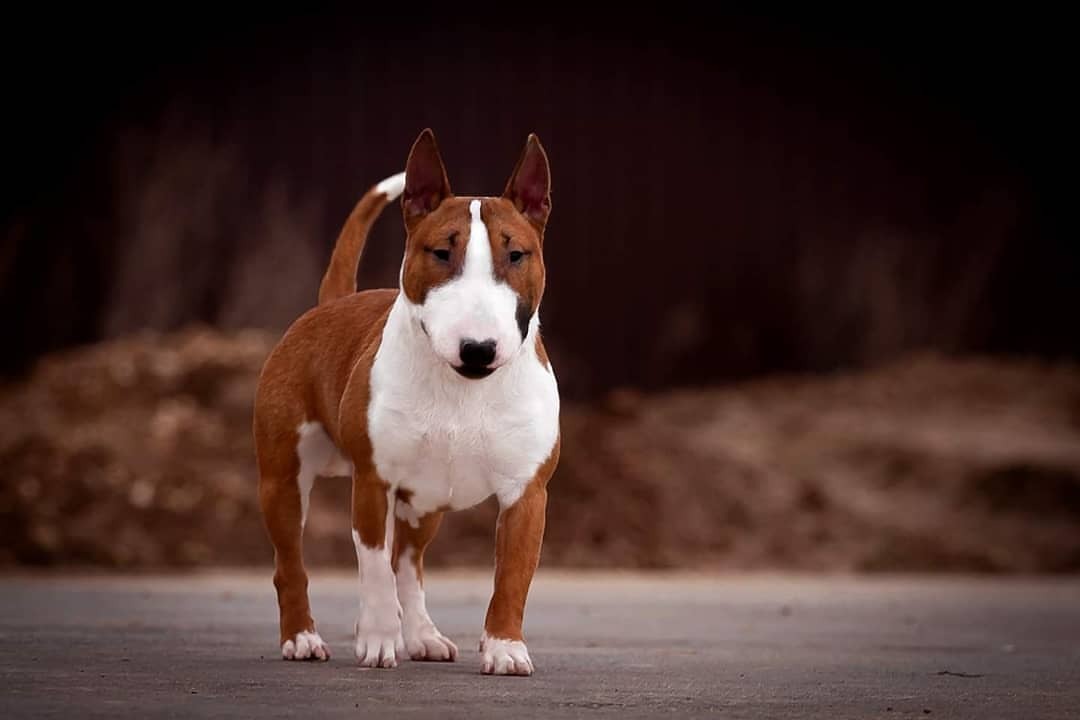
The practical consequence is that these dogs can overheat during ordinary activity in conditions that a longer-nosed dog handles without difficulty, and they can deteriorate very quickly. A short-nosed dog should not be walked in heat at all, should not be exercised vigorously in warm weather, and should be kept in cooled indoor air during heatwaves. This is not caution to excess; it reflects the anatomy.
Other high-risk groups: puppies and seniors, overweight dogs, dogs with heart or respiratory disease, dogs with thick double coats kept in humid climates, and dogs on certain medications.
The Cooling Sequence, In Order
When a dog is overheating, do these things, in this order, and start immediately.
- Stop the activity and remove the dog from the heat. Shade, indoors, air conditioning, a car with the climate control running. This is the step people skip when they reach for water first.
- Apply cool, not cold, water to the areas with thin fur and good blood flow. The paws, the inside of the thighs, the groin, and the belly. Wet the whole body if you can, using a hose, a shower, or poured water.
- Increase air movement. A fan, a car vent, or open airflow over the wet coat. Evaporation needs moving air; wetting the dog without airflow is half a solution.
- Offer small amounts of cool water to drink if the dog is conscious and swallowing normally. Do not force water into the mouth of a dog with altered consciousness, because of the risk of aspiration.
- Measure the temperature if you have a thermometer. Rectal temperature every few minutes guides how much cooling to apply. Stop active cooling once the temperature reaches about 39.5 °C, to avoid overshooting into hypothermia.
- Go to a veterinary clinic. Heatstroke requires bloodwork to assess clotting, kidney function, and electrolytes, and complications can appear hours after the temperature normalises.
If the dog is unconscious or not breathing, begin CPR and transport immediately.
The Two Mistakes That Make It Worse
Ice water and ice packs. Extreme cold constricts the skin's blood vessels, which is exactly the opposite of what you need, because blood flow to the skin is the route by which heat leaves the core. Cold also prompts shivering, which generates heat. The result is a dog that feels cold to the touch while its core temperature holds. Use cool water, and use it generously.
Rubbing alcohol. Alcohol is absorbed through the skin and is toxic to dogs, and its rapid evaporation can drop the body surface temperature enough to trigger shivering. Do not use it.
Pavement, Cars, and Two Tests Worth Knowing
The pavement test. Asphalt and sand absorb solar radiation and can reach temperatures far above air temperature, enough to burn paw pads in seconds. Place the back of your hand on the surface. If you cannot hold it there for five seconds, it is too hot for paws. Walk on grass where possible, and shift walks to early morning and late evening.
The car test. A parked car in the sun heats rapidly, and the interior can reach dangerous temperatures within minutes even with the windows cracked. Cracking windows does not meaningfully reduce the rate of heating. There is no safe duration for leaving a dog in a parked car in warm weather, including in shade, including with water.
Exercise in the Heat
- Walk at dawn or shortly after dusk, when both air and ground temperatures are lowest.
- Shorten the walk rather than the pace. Distance is the variable to cut.
- Let the dog set the pace and stop for water every fifteen to twenty minutes.
- Prefer grass, shade, and routes with water.
- Avoid the hottest block of the day entirely for high-risk dogs.
- Watch for the early signs and end the outing at the first one. A dog will often keep going past the point of safety, particularly if it is ball-focused or working.
Less Obvious Summer Hazards
Heartworm and parasite load. Mosquito activity and parasite exposure peak in summer. Heartworm prevention is continuous in most regions, and it is not a seasonal decision.
Cyanobacteria in freshwater. Harmful algal blooms in still, warm, nutrient-rich water can produce toxins that are lethal to dogs, sometimes within hours of ingestion. Avoid stagnant green or blue-green water entirely, do not let the dog drink from ponds in hot weather, and rinse the coat after swimming anywhere outdoors.
Pools and open water. Not all dogs swim well, and a dog that falls into a pool without an exit point can drown. Teach a pool exit, use a life vest on boats, and supervise constantly.
Barbecues and picnic food. Corn cobs, skewers, bones, and rich food cause intestinal obstruction and pancreatitis with seasonal regularity.
Bee and wasp stings. Swelling around the face or throat after a sting is an emergency.
Frequently Asked Questions
What temperature is too hot to walk a dog?
There is no single number, because humidity, coat, breed, and fitness all change the risk. As a general guide, above roughly 30 °C even a healthy dog should walk only briefly and in shade, and brachycephalic breeds, seniors, overweight dogs, and thick-coated breeds should not walk outdoors at all. Use the pavement test as a practical floor.
How do I know if my dog is overheating?
Heavy, noisy panting that does not settle, thick saliva, bright or dark red gums, reluctance to walk, unsteadiness, vomiting, and a blank or confused expression. Confusion and stumbling mean heatstroke, not heat stress, and require emergency care.
Why is ice water bad for an overheating dog?
Cold water constricts the blood vessels in the skin, which blocks the route by which heat escapes from the core, and it can trigger shivering, which produces more heat. Use cool water instead, applied to the paws, groin, and belly, with moving air over the wet coat.
Which dog breeds are most at risk in summer?
Brachycephalic breeds are the highest risk: pugs, French and English bulldogs, Boston terriers, and boxers, because their narrowed airways make panting inefficient. Also at high risk are thick double-coated breeds in humid climates, puppies, seniors, overweight dogs, and dogs with heart or airway disease.
Can a dog recover from heatstroke on its own?
Some dogs survive, but the danger does not end when the temperature falls. Heatstroke damages the gut lining, releases toxins into the bloodstream, and can trigger clotting disorders and organ failure several hours later. Any dog that has shown heatstroke signs needs veterinary assessment and bloodwork, even if it appears to have recovered.