Autumn Pet Care Tips for a Healthy Season
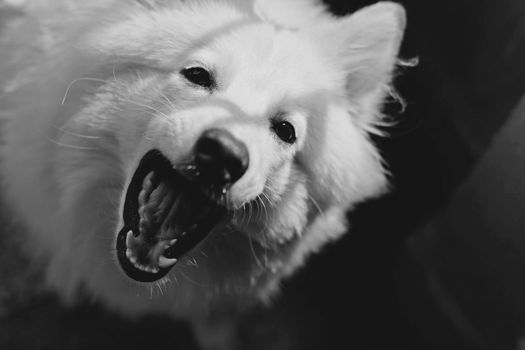
Coat and Shedding
As daylight shortens and temperatures drop, most cats and dogs begin growing a denser winter coat while shedding the lighter summer one. This transition usually takes several weeks and can be dramatic, particularly in double-coated breeds. Increase brushing to daily during the heaviest shedding, and use a tool appropriate to the coat—an undercoat rake for double coats, a slicker brush for medium and long coats. Removing loose hair before it mats prevents uncomfortable tangles and cuts down on hair around the house. Do not be tempted to shave a double-coated dog to reduce shedding; the coat provides insulation in both directions, and shaving can permanently damage its texture.
Temperature Changes
Autumn mornings and evenings can be sharply cooler than midday, and small, short-haired, or senior pets feel the difference first. Keep outdoor sessions shorter at the edges of the day, and consider a coat for breeds with little body fat or single coats. Watch older animals for stiffness in cooler weather—cold can aggravate arthritis, and a warm, padded bed can make a real difference to their comfort.
Seasonal Hazards
Fall introduces hazards that do not exist in summer.
- Fallen leaves. Damp leaf piles shelter mold, bacteria, and ticks. Rake regularly and check coats after walks.
- Mushrooms. Autumn is peak season for fungi, and some species are highly toxic to pets. Clear mushrooms from yards and keep pets supervised outdoors.
- Rodenticides. As rodents move indoors, poison use rises. These products are dangerous to pets both directly and through poisoned prey. Choose pet-safe methods where possible.
- Halloween sweets. Chocolate, xylitol (found in sugar-free gum and many candies), raisins, and macadamia nuts are all toxic. Keep bowls out of reach and educate children.
- Decorations. Glow sticks, string lights, and small ornaments can be chewed or swallowed. Battery-powered items are especially dangerous if punctured.
Nutrition Tweaks
As outdoor activity decreases, calorie needs often fall too. Continuing a summer portion size through a less active autumn is a common path to winter weight gain. Adjust portions to body condition rather than habit, and weigh your pet periodically. Senior animals with joint stiffness may benefit from a joint-support supplement or diet, and it is worth asking your vet about it as the weather turns.
Parasite Watch
The widespread assumption that parasites disappear in cold weather is wrong. Ticks remain active into late autumn and even winter in many climates, and fleas survive happily indoors year-round. Keep parasite prevention going continuously rather than stopping it when summer ends—year-round protection is simpler to remember and more reliable than seasonal guesswork.
Exercise in Cooler Weather
Autumn is often the best season for outdoor activity with a dog. Cooler temperatures mean less risk of heat stress, and many dogs that wilted through summer come alive again. It is a good time to rebuild walking distance gradually, revisit outdoor training, and enjoy parks and trails that were unbearable in July. Increase fitness slowly rather than jumping straight back to long hikes—an unfit dog that overdoes it on one enthusiastic weekend can end up sore for days. Check local rules about seasonal leash requirements and hunting seasons, since autumn brings more activity in the woods. Be mindful of wet leaves and muddy ground underfoot, which can be slippery for older dogs with joint problems, and keep nails trimmed to improve traction.
Indoor Adjustments
Pets spend more time indoors in autumn, which means indoor conditions matter more. Wash bedding regularly to reduce dander and dust mites, and keep humidity at a comfortable level to prevent dry, itchy skin—heating systems dry the air considerably. Refresh scratching posts and toys to give indoor cats and dogs enough stimulation when walks are shorter.
Grooming After Wet Walks
Wet weather means wet paws, and wet paws mean mud, irritants, and sometimes road salt. Wipe or rinse paws after walks, dry them thoroughly, and check between the toes for cuts or mats. Long-haired breeds benefit from trimmed paw fur to reduce the amount of debris they collect.
Holiday Prep
Autumn is the season for booking ahead. If you travel or board your pet over the holidays, arrange it early—quality boarding fills up quickly. Confirm that vaccinations are current and that records are available, as most facilities require proof. If your pet is anxious in new environments, a trial night before a longer stay can make the experience far easier for everyone.
Frequently Asked Questions
What should I change in my pet's routine in autumn?
Three things matter most: increase grooming as the winter coat comes in, adjust feeding if activity drops, and recheck parasite prevention rather than assuming cooler weather ends the risk. Walks also need drying attention, since damp coats held against the skin invite skin problems.
Is heavy shedding in autumn normal?
Yes. Autumn moulting is triggered by shortening daylight rather than by temperature, and it produces the dense winter undercoat. The shedding itself is healthy; the flag to watch is a coat that thins without regrowing, or hair loss in patches rather than an even distribution.
Do parasites stop being a risk when the weather cools?
No. Fleas survive indoors year-round, and ticks remain active in many regions through autumn until a hard frost. Continued year-round prevention is the standard recommendation in most climates, and autumn is a common point at which owners lapse.
How should I handle a wet dog after an autumn walk?
Dry the dog properly rather than letting the coat air-dry, paying attention to the chest, armpits, and between the toes where moisture lingers. Damp fur held against warm skin is the condition in which fungal and bacterial skin problems establish, so a towel and a low-heat dryer are worth the two minutes.