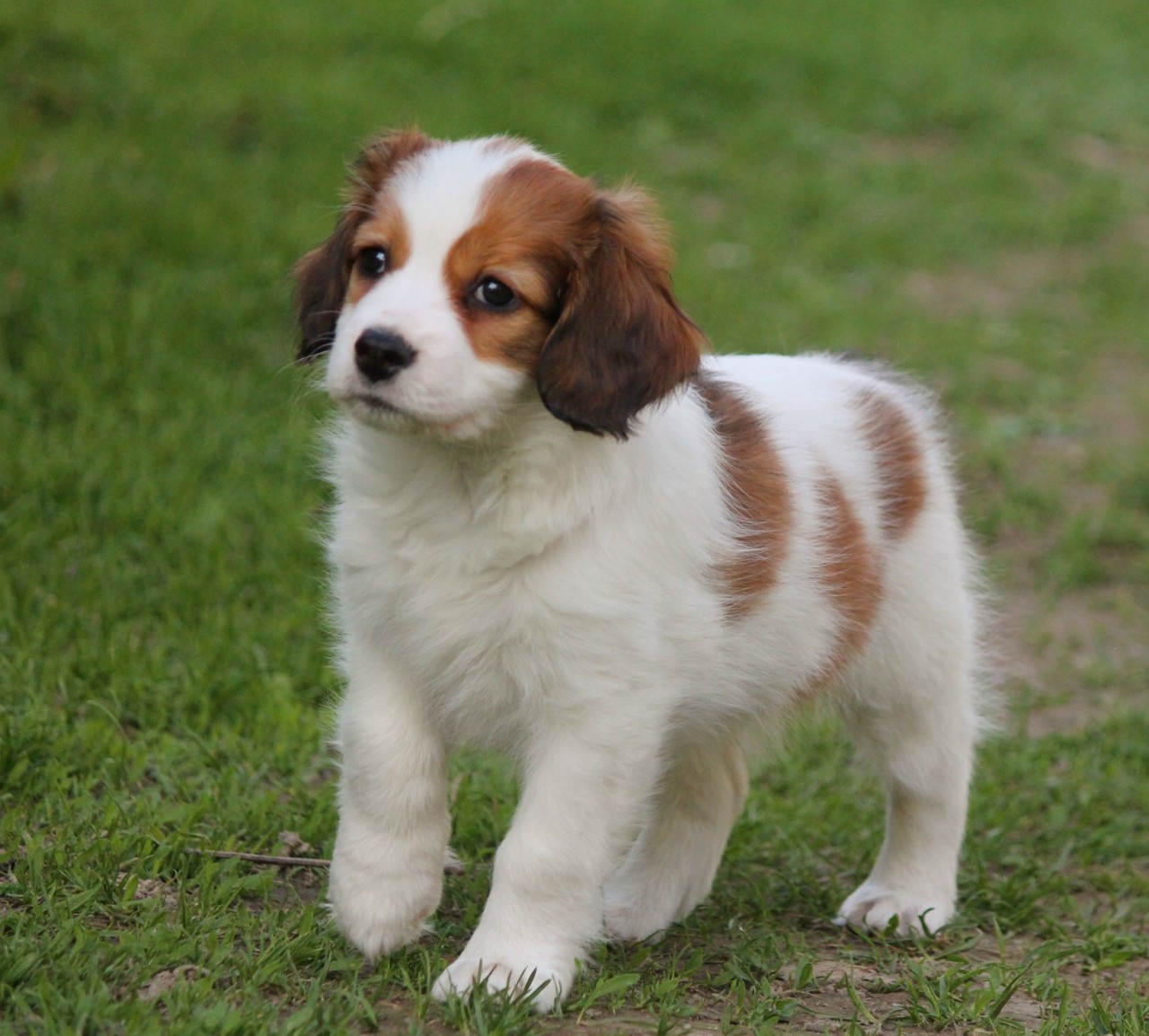
Origin and Development
The Beagle, a scent hound breed, originated in Great Britain around the 1830s. It was developed from several breeds, including the Talbot Hound, North Country Beagle, Southern Hound, and possibly the Harrier. The modern breed was established by Reverend Phillip Honeywood, who established a Beagle pack in Essex in the 1830s, believed to be the foundation for the modern breed.
Historically, the Beagle was used as a generic term for smaller hounds, with variations in size and characteristics. Miniature breeds of Beagle-type dogs were known during the reigns of Edward II and Henry VII, who had packs of Glove Beagles and Pocket Beagles, respectively. These dogs were small enough to fit in a glove or saddlebag and were used for hunting.
By the 19th century, two distinct breeds for hunting hare and rabbit had been developed: the Southern Hound and the North Country Beagle. The Southern Hound was tall and heavy, while the North Country Beagle was smaller and less heavy-set, with a more pointed muzzle and better scenting abilities. The rough-coated and smooth-coated varieties of Beagles were developed in the 19th century, with the rough-coated variety surviving until the early 20th century. The Beagle's ability to track small game over long distances made it a valuable hunting companion.
Appearance and Physical Characteristics
The Beagle has a compact, merry appearance, with a sturdy build and a distinctive tri-color or bi-color coat pattern. They stand between 33 and 41 cm (13 and 16 inches) high at the withers for males and 33 and 38 cm (13 and 15 inches) for females, weighing between 9 and 14 kg (18 and 35 lb). The head is smooth, somewhat domed, with a medium-length, square-cut muzzle and a black or occasionally liver gumdrop nose. The eyes are large, hazel or brown, and the ears are long, soft, and low-set.
The Beagle has a strong, medium-length neck, a broad chest narrowing to a tapered abdomen and waist, and a long, slightly curved tail known as the "stern," which is tipped with white. The white tip, called the flag, was selectively bred to ensure the tail remains visible when the dog's head is down following a scent. The tail is held upright when the dog is active. The coat is medium-length, smooth, and hard.
The most common coat color is tricolored, with white and large black areas and light brown shading. Other colors include tan and white, lemon, red, liver, and black. Some Beagles may have ticking or mottled patterns, with different colored flecks in their white areas.
Temperament and Behavior
The Beagle is known for its friendly, gentle, alert, outgoing, curious, and energetic temperament. They are amiable and typically neither aggressive nor timid, although individual behavior can vary. Beagles enjoy company and are prone to separation anxiety, which can lead to destructive behavior when left unattended. They are excellent with children and make good family pets.
Beagles are pack animals and may exhibit howling or barking when confronted with strange situations. Some may bay, or give voice, when they catch the scent of potential prey. They generally get along well with cats and other dogs.
A study conducted by Ben and Lynette Hart in 1985 gave the Beagle the highest excitability rating, along with several other breeds. This indicates their high energy levels and their tendency to be easily excited.
Health Considerations
Hypothyroidism and various types of dwarfism also occur in the breed. Unique to the Beagle are conditions such as "Funny Puppy," where puppies are slow to develop and may eventually develop weeping eyes. This condition can be distressing for both the puppy and its owner, and early veterinary intervention is often necessary.
Other potential health concerns include "Collie Eye Anomaly," which can lead to vision problems, and "Cherry Eye," a condition where the third eyelid prolapses over the eye. These conditions can affect the dog's quality of life and may require medical treatment or surgery.
Owners should be aware of the breed's predispositions to certain health issues and be proactive in monitoring their dog's health and well-being.
History and Popularity
The Beagle's history dates back to the 11th century when William the Conqueror brought the St. Hubert Hound and the Talbot Hound to Britain. These breeds were crossed with Greyhounds to enhance their speed and stamina for deer hunting. Over time, the Beagle evolved into a smaller, more agile hunter, specialized in hunting hare and rabbit.
By the 19th century, the Beagle had become a popular hunting dog, and its popularity continued to grow. The Beagle Club was formed in 1890, and the first standard was drawn up at the same time. This standard outlined the breed's physical characteristics and temperament, providing a guideline for breeders and judges.
The breed's popularity in the United States and Canada has always been higher than in its native country, England. The National Beagle Club of America was formed in 1888, and Beagles have consistently ranked among the top-ten most-popular breeds in North America for over 30 years. This popularity is due in part to their friendly nature, versatility, and adaptability to various living situations.
Buying a Beagle
- Research the breed's history and temperament to ensure it fits your lifestyle. Understanding the Beagle's hunting instincts and energetic nature can help potential owners prepare for the challenges and joys of owning one.
- Look for a reputable breeder who can provide health clearances and a good breeding history. A responsible breeder will be transparent about the health and temperament of their dogs and will conduct genetic testing to reduce the risk of hereditary diseases.
- Consider the cost of ownership, including food, grooming, and veterinary care.
- Visit the dog in person if possible, to assess its temperament and health. A well-socialized Beagle should be comfortable around people and other animals.
- Understand the commitment involved in owning a Beagle. These dogs can live up to 12-15 years, and responsible ownership requires a long-term commitment to their care and well-being.
Buying a Beagle should be a well-informed decision, ensuring that the dog will be a good fit for your family and lifestyle. Taking the time to research and prepare can lead to a rewarding and fulfilling relationship with this charming and spirited breed.
Frequently Asked Questions
What is the lifespan of the Beagle?
The average lifespan of the Beagle is about 10-15 years. Good nutrition and regular veterinary care support a healthy life.
What is the temperament of the Beagle?
The Beagle is known for: Friendly, Gentle, Alert, Outgoing, Curious, Energetic. Its energy level is high.
What size and weight is the Beagle?
It is a medium-sized dog, typically around 9-14 kg as an adult.
Is the Beagle easy to care for?
Reliable grooming and shedding ratings are not available. Routine brushing, ear and dental care, and nail trims are still recommended.
Is the Beagle good with kids and other pets?
Reliable child- and pet-friendliness ratings are not available. Supervised, gradual introductions are recommended.
How much exercise does the Beagle need?
With a high energy level, it needs walks, play or training matched to its stamina.
Beagle
Trait Scores
N/A