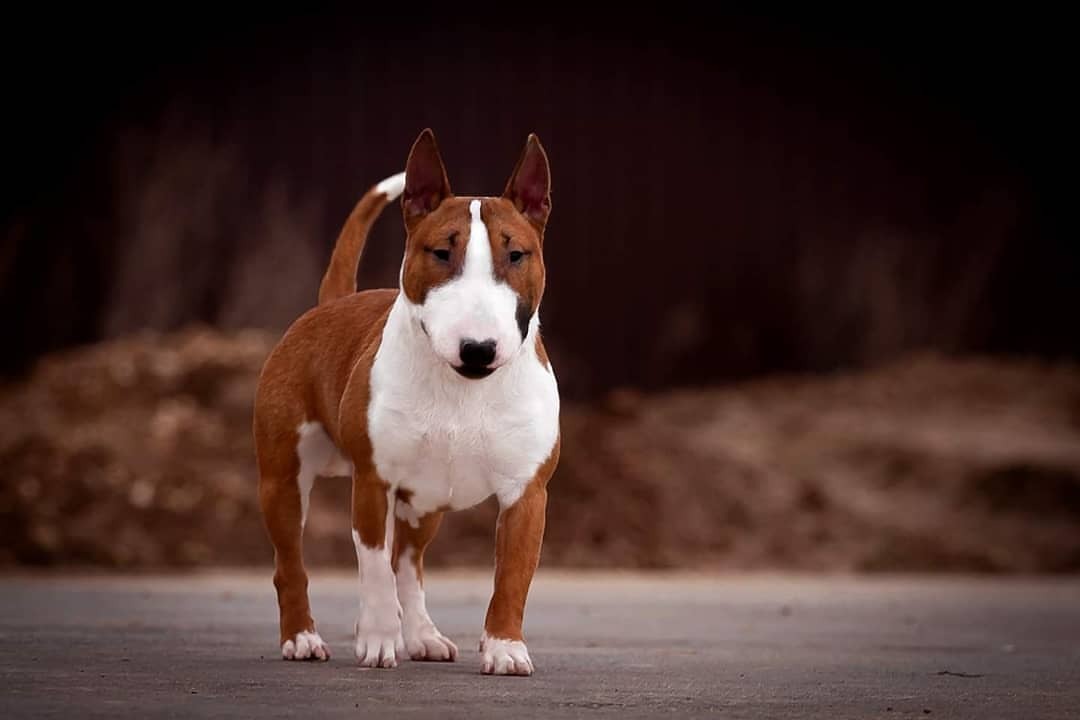
Origin and Development
The Basset Hound originated in France and was developed from several now-extinct strains of French basset breeds, including the St. Hubert's Hound, which was bred at the Benedictine Abbey of St. Hubert around the 6th century. This breed was primarily bred for hunting rabbit and hare on foot, which required a dog that could move slowly enough that horses were not necessary. Their exceptional sense of smell and ability to ground-scent are second only to the Bloodhound.
The name "Basset" is derived from the French word "bas," meaning "low," and the diminutive suffix "-et," together meaning "rather low. " Basset Hounds are usually bicolored or tricolored, with standard hound coloration that includes liver, black, red, white, lemon, and blue. These color patterns are well-established in the breed's registry history, as maintained by organizations like the American Kennel Club (AKC) and the United Kennel Club (UKC).
The breed has a median life span of 10-12 years, with a 2015 French study finding a life expectancy of 10.3 years, and a 2024 UK study finding a life expectancy of 12.5 years.
Appearance and Characteristics
Basset Hounds are proportionally akin to a large breed dog with short legs, weighing between 20 and 35 kg (44 and 77 pounds) on average. They have a slightly-curved tail held high above their long backs and are heavier-boned than any other breed relative to their size, a characteristic that contributes to their robust build.
They possess wrinkled, loose skin that contributes to a mournful expression, with the dewlap around the neck being a distinctive feature. The long ears are designed to stir up ground scent, while their slightly crooked legs support their broad chest and ribs.
Their coat is most often short with coarse hairs under the tail, coming in all hound colors except merle and brindle, with tricolor patterns and shades of red and white being popular. The AKC recognizes a range of coat colors and patterns for the Basset Hound, making it a visually diverse breed.
Temperament and Behavior
Basset Hounds are known for their friendly, outgoing, and playful nature, being tolerant of children and other pets. Their temperament is typically mild and extremely devoted, though not timid.
These dogs are calm and gentle, with a loyal and independent streak. They are also known for their devotion, making them great companions for those seeking a loyal friend. Their independent nature can sometimes lead to them being a bit headstrong, requiring a firm but gentle hand in training.
Health Considerations
Basset Hounds are prone to several health issues, including osteochondrodysplasia, a genetic condition causing stunted growth and impacting movement. This condition can lead to splayed hind limbs, enlarged joints, flattened rib cages, shortened and bent long bones, and deformed paws. Owners should be aware of these conditions and be prepared for the potential for orthopedic surgeries.
Other health concerns include yeast infections, gastric dilatation volvulus (bloat), glaucoma, hereditary thrombopathy, and several skin conditions such as allergic skin disease, intertrigo, Malassezia dermatitis, and otitis.
Primary open angle glaucoma is also a concern for the Basset Hound, with an autosomal recessive mutation of the ADAMTS17 gene responsible for the condition in the breed. Genetic testing is available through organizations like the Canine Health Information Center (CHIC) to identify carriers of this gene.
History and Evolution
The Basset type originated in France, descended from the 6th-century hounds belonging to St Hubert of Belgium. These hounds were bred at the Benedictine Abbey of St. Hubert and eventually became known as the St Hubert's Hound around 1000 AD. The breed's historical roots are deep, and they have been used by numerous nobility and monarchs over the centuries.
The first mention of a "Basset" dog appeared in 1585 in an illustrated hunting text. The breed became popular during the reign of Emperor Napoleon III, with the first exhibition of Basset Hounds in Paris in 1863. This popularity led to the establishment of registries and standards for the breed, including those maintained by the Fédération Cynologique Internationale (FCI).
In England, French Basset Hounds were imported in the 1870s, leading to the development of the modern Basset Hound through breeding efforts by Everett Millais and others. The breed has since been standardized in both countries, with slight differences in type, reflecting their unique histories and evolving purposes.
Hunting and Working Abilities
Basset Hounds were bred to hunt, with their keen nose and short stature well-suited for small-game hunting on foot. They are known for their powerful tracking ability and calm demeanor, making them effective hunters. The breed's hunting skills are well-documented, with various registries maintaining records of their performance and contributions to hunting traditions.
A variety of Basset Hound developed purely for hunting by Colonel Morrison was admitted to the Masters of Basset Hounds Association in 1959. This variety, with straighter and longer legs and shorter ears, demonstrated the breed's adaptability and the effectiveness of selective breeding for specific purposes.
Popularity and Cultural Impact
Basset Hounds have made appearances in popular culture, including Time magazine's cover in 1928, the Hush Puppies brand logo, and various television shows and movies. They have been featured in comic strips, cartoons, and even anime movies, contributing to their enduring popularity and cultural significance. The breed's friendly nature and distinctive appearance have made them popular symbols of companionship and loyalty.
The breed has also been portrayed in literature, television, and film, contributing to its enduring popularity and cultural significance. Characters like the "Basset Hound" from the comic strip "Barnaby" and the film "Beethoven" have further cemented the breed's place in the public imagination.
Buying and Owning a Basset Hound
With a moderate energy level and shedding, Basset Hounds make a manageable choice for many households. They are adaptable to different living situations, from rural homes with access to the outdoors to urban apartments with regular walks and playtime.
Before purchasing a Basset Hound, it is advisable to research reputable breeders. Potential owners should also consider the breed's exercise requirements and the time needed for training and socialization.
Frequently Asked Questions
What is the lifespan of the Basset Hound?
The average lifespan of the Basset Hound is about 12-13 years. Good nutrition and regular veterinary care support a healthy life.
What is the temperament of the Basset Hound?
The Basset Hound is known for: Friendly, Calm, Gentle, Loyal, Independent, Devoted. Its energy level is low.
What size and weight is the Basset Hound?
It is a large dog, typically around 18-30 kg as an adult.
Is the Basset Hound easy to care for?
Reliable grooming and shedding ratings are not available. Routine brushing, ear and dental care, and nail trims are still recommended.
Is the Basset Hound good with kids and other pets?
Reliable child- and pet-friendliness ratings are not available. Supervised, gradual introductions are recommended.
How much exercise does the Basset Hound need?
With a low energy level, it needs walks, play or training matched to its stamina.
Basset Hound
Trait Scores
N/A



