Dog Heatstroke Prevention & Recognition
Summer can be a treacherous time for dogs, with the average high temperature exceeding 90 degrees Fahrenheit. Contrary to a common misconception, breeds with thick fur and those with flat faces, like Bulldogs, are particularly at risk, as they are less able to cool themselves naturally. Each year, countless dogs suffer from heatstroke during hot weather, a situation that underscores the importance of understanding heatstroke prevention and recognition.
Understanding Heatstroke
Heatstroke in dogs is a serious condition caused by the body's inability to regulate temperature, leading to hyperthermia. The physiological mechanism involves the failure of the thermoregulatory system, which typically maintains the body temperature within a narrow range of 101 to 102.5 degrees Fahrenheit. When dogs are exposed to high temperatures, their bodies cannot dissipate heat quickly enough, resulting in a rapid rise in core temperature. Symptoms of heatstroke include excessive panting, drooling, a rapid heart rate, vomiting, diarrhea, and collapse. The onset of heatstroke can occur within minutes of exposure to high temperatures, and it is a medical emergency that requires immediate veterinary attention.
Preventive Measures
To prevent heatstroke, it is crucial to avoid exposing dogs to high-temperature periods, especially during the peak heat of the day, which typically ranges from 10 a.m. to 4 p.m. During these times, dogs should be kept in a cool, well-ventilated area. It is essential to provide ample water and shade at all times, especially when outdoors. Water should be available at a temperature of 68 to 72 degrees Fahrenheit to encourage drinking. Shade should be provided under a tree or a tarp, ensuring that it is positioned to block direct sunlight. It is also important to limit exercise during hot weather and to use pet-safe sunscreen on areas with minimal fur, such as the nose, ears, and belly. Regular monitoring of the dog's body temperature can help identify when it is too hot, with a safe range being between 101 to 102.5 degrees Fahrenheit.
Ideal Temperature Range
Dogs can tolerate a wide range of temperatures, but it is essential to maintain an ideal temperature range for their comfort and safety. The ideal temperature range for dogs is between 68 to 78 degrees Fahrenheit. To control the environmental temperature, it is recommended to use air conditioning, fans, and cool water to keep the home cool. In outdoor environments, the use of misting systems and portable evaporative coolers can help lower the ambient temperature. It is important to monitor the temperature using a pet-safe thermometer, ensuring that the environment does not exceed the upper limit of the ideal temperature range. Additionally, during extreme heat, it is advisable to bring dogs indoors or to a cool, shaded area to prevent overheating.
Emergency Treatment
When a dog shows signs of heatstroke, such as excessive panting, drooling, red or dark gums, vomiting, or collapse, immediate action is crucial. Begin by moving the dog to a cool, shaded area. Use cool water, not cold, to soak the dog's body, focusing on the areas with the least fur, such as the armpits and groin. Apply ice packs to the dog's neck, armpits, and groin, but avoid direct contact with the skin. Aim for a water temperature of 50 to 70 degrees Fahrenheit. Cool the dog for at least 20 minutes, or until the body temperature drops to 103 degrees Fahrenheit. Offer small amounts of water to prevent vomiting, and if the dog is unable to drink, use an oral syringe to provide water. Monitor the dog's temperature every 5 minutes, and seek veterinary care immediately if the dog's temperature does not drop or if they show signs of distress.
Dog's Cooling Mechanism
Dogs cool themselves primarily through panting, which increases the evaporation of moisture from their tongues and respiratory tract. To enhance this natural cooling process, ensure that dogs have access to fresh, cool water at all times. Provide a shaded area where they can rest, as the shade can lower their body temperature by up to 10 degrees Fahrenheit. Dogs can also benefit from being wet, so consider using a damp towel or sprinkler to keep them cool. It is important to note that dogs with thick coats, such as double-coated breeds, may require additional measures, such as regular grooming to remove excess fur, to improve their ability to dissipate heat. Additionally, dogs with brachycephalic breeds, like Bulldogs, may have a harder time cooling down due to their shorter snouts, so they should be monitored closely in hot weather.
Dietary Adjustments
During hot weather, it is important to adjust a dog's diet to help them stay cool and hydrated. Increase the amount of water available to encourage drinking. Offer smaller, more frequent meals to prevent overheating during digestion. Avoid feeding your dog heavy meals before exercise or in hot weather. Opt for wet food, as it contains more moisture than dry kibble, helping to keep the dog hydrated. Consider adding a small amount of ice cubes to their water to make it more appealing. For dogs that are prone to heatstroke, you can also add a teaspoon of unflavored gelatin to their water, as it can help with hydration. It is important to avoid feeding your dog spicy or high-fat foods, as these can increase body heat. Lastly, ensure that any treats given are low in calories and do not contain high amounts of sugar or salt, which can lead to dehydration.
Observation Skills for Pet Owners
Pet owners should be vigilant for signs of overheating, such as excessive panting, drooling, or a rapid heart rate. Monitor the dog's behavior closely, as they may become restless, aggressive, or exhibit signs of confusion. Check the dog's gums for pale or bright red color, as this can indicate a lack of oxygen or dehydration. Look for symptoms like vomiting, diarrhea, or collapse, which may occur within 15 to 30 minutes of overheating. It's crucial to act quickly, as heatstroke can progress rapidly and be fatal if not treated promptly.
Common Misconceptions
A common misconception is that dogs should be covered in ice to cool down quickly. However, this can lead to shock and hypothermia. Instead, use cool, not cold, water to sponge the dog's body, focusing on the legs and belly. Avoid rubbing ice directly on the dog's body, as it can cause shivering and increase heat loss. Contrary to popular belief, not all dogs need to be shaved to cool down. In fact, a dog's coat can provide some protection from the sun. Additionally, it's a myth that dogs should only be exercised during the cooler morning or evening hours. They can overheat during these times as well, so it's important to monitor their condition constantly.
Risk by Breed
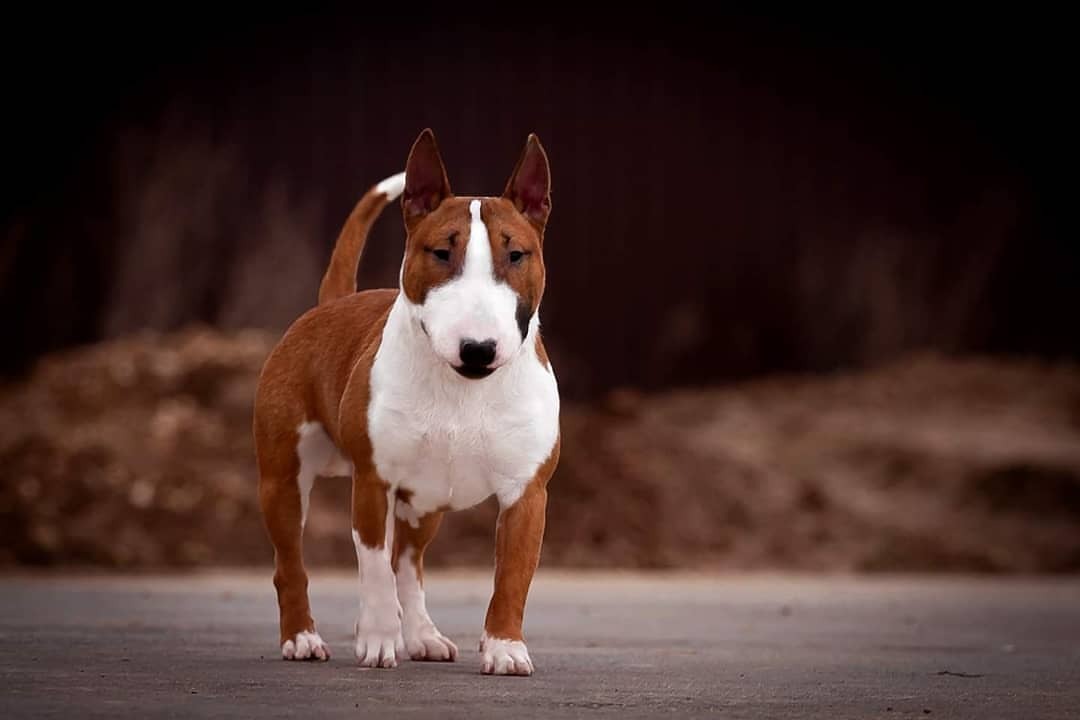
Breeds with short muzzles, like Bulldogs and Pugs, are at higher risk of heatstroke due to their limited ability to pant effectively. These breeds should be monitored closely during hot weather and exercise. Dogs with thick coats, such as German Shepherds and Golden Retrievers, also have a higher risk. Regular grooming to remove excess fur and ensuring they have access to shade and cool water are essential. Large breeds with heavy chests, like Boxers and English Bulldogs, can experience heat-related issues due to their body size and shape. They should be exercised in short bursts and provided with frequent water breaks. Dogs with dark-colored coats are more prone to absorbing heat, so lighter-colored breeds may have a lower risk. Regardless of breed, all dogs should have access to shade and water at all times, and exercise should be avoided during the peak heat of the day.
Long-Term Prevention Strategies
Implementing a cooling pad in the dog's resting area can provide a constant cool surface for them to lie on, reducing the risk of overheating. These pads should be cleaned regularly to prevent the buildup of bacteria. During peak heat periods, ensure that the dog's living area is well-ventilated with fans or air conditioning. It's advisable to install a programmable thermostat to maintain a consistent indoor temperature. For outdoor dogs, provide a shaded area that is easily accessible, and consider installing a mister system that can be turned on during the hottest parts of the day. Adjust feeding times to cooler parts of the day, avoiding heavy meals that could lead to increased body heat. Provide a water bowl with ice cubes, and consider using a pet-safe, water-retaining mat to keep the bowl filled with cool water. Regularly check the dog's water intake and increase it if necessary. Introduce the dog to swimming if possible, as it's an excellent way to cool down. Keep the dog's coat well-maintained by trimming fur around the paws and underbelly, which can help dissipate heat. Invest in a cooling vest that can be used during walks or during periods of heavy exercise. Schedule routine veterinary check-ups to monitor the dog's overall health and discuss any specific concerns regarding heatstroke. By implementing these long-term strategies, the risk of heatstroke can be significantly reduced.