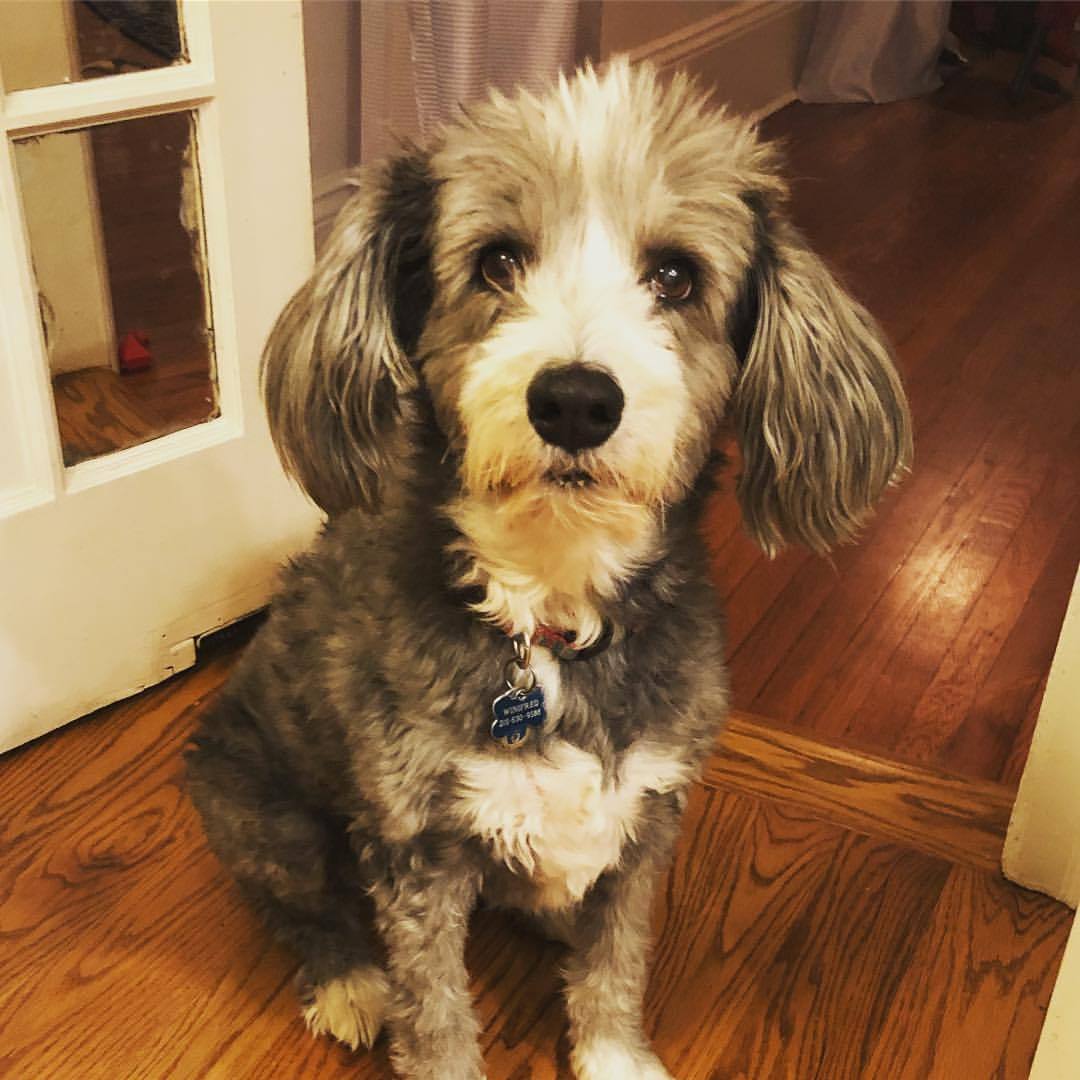
Dog Moulting Season Coat Management
Did you know that a single Golden Retriever can shed up to 40 pounds of hair during the peak of moulting season? This shedding, often misunderstood as a sign of poor coat health, is actually a normal and necessary part of a dog's life cycle.
Overview of Moulting Season
The moulting season, also known as shedding season, is a natural and essential process for dogs. During this period, dogs can shed up to 50% of their hair in a matter of weeks. Understanding the shedding cycle is crucial. The cycle typically lasts around 4-6 weeks, with the shedding occurring in three stages: active shedding, transitional phase, and resting phase. shedding is triggered by a combination of external factors like temperature changes and internal factors like hormonal fluctuations. During the shedding season, dogs may shed daily, with a peak shedding period lasting up to two weeks.
Analysis of Reasons for Hair Loss
Hair loss during shedding season can be attributed to several factors. Seasonal changes are a primary cause, as the body adjusts to temperature fluctuations. Dogs may shed their winter coat in preparation for warmer weather and grow a lighter coat. Genetic factors also play a role, with certain breeds shedding more heavily than others. Other causes include stress, allergies, and poor nutrition. For example, a deficiency in omega-3 fatty acids can lead to dry and brittle hair, contributing to shedding. It is estimated that around 30% of dogs experience increased shedding due to seasonal changes, with the shedding peaks occurring in spring and fall.
Daily Care Tips
Proper daily care is essential during the shedding season. Regular grooming, at least three times a week, helps remove loose hair and distribute natural oils throughout the coat. Using a brush specifically designed for shedding can remove up to 90% of loose hair. Brushing for 10-15 minutes each session is recommended. Additionally, a proper diet rich in proteins, omega-3 and omega-6 fatty acids, and vitamins can support healthy skin and coat. For instance, a diet with 18% protein and 5% fat can help maintain coat health. Regular check-ups with a veterinarian can identify any underlying health issues contributing to excessive shedding.
Bathing Frequency and Precautions
During shedding season, it is recommended to bathe your dog every 4-6 weeks to prevent excessive oil buildup and to maintain coat health. Using a pet-specific shampoo designed for sensitive skin is crucial, as it helps to maintain the natural pH balance of your dog's skin. Opt for a shampoo with ingredients that soothe and nourish, such as aloe vera and oatmeal. When bathing, ensure the water temperature is lukewarm, not hot, to avoid irritation. After shampooing, rinse thoroughly to remove all soap residue, which can lead to dryness and itching. To minimize stress, bathe your dog in a quiet, warm room. Avoid bathing more frequently than every 4-6 weeks, as over-bathing can strip the coat of natural oils, exacerbating shedding.
Nutritional Supplements and Diet Adjustments
To support your dog's shedding season, consider incorporating omega-3 and omega-6 fatty acids into their diet. These can be found in fish oil supplements, with a dosage of 200-400 mg per 10 pounds of body weight daily. Additionally, a diet rich in vitamin E and biotin can help strengthen the coat. Vitamin E can be sourced from natural foods like sunflower seeds and nuts, while biotin is often found in commercial dog foods. Adjust your dog's diet to include high-quality proteins, such as chicken, beef, or fish, and ensure the protein content is between 18% and 22%. For dogs with specific dietary needs, consider a hypoallergenic formula that is free from common allergens. It is important to introduce any new dietary changes gradually to monitor for any adverse reactions.
Impact of Environmental Factors on Hair Loss
Environmental factors play a significant role in a dog's shedding pattern. During shedding season, temperature and humidity can exacerbate hair loss. Dogs tend to shed more in warmer weather, as their bodies prepare for the cooler months ahead. Keeping your dog in a climate-controlled environment can help manage shedding. During hot summer months, increase air circulation and ensure your dog has access to shade and cool water. In colder weather, maintain a consistent indoor temperature to prevent excessive shedding. Humidity levels also affect shedding, with dogs shedding more in dry conditions. Using a humidifier during the winter months can help maintain a balanced humidity level of 40-60% in your home. It is important to monitor your dog's coat and adjust the environment accordingly to minimize shedding and maintain a healthy coat.
Common Misconceptions and Correction Methods
One common misconception is that frequent brushing will stop shedding. However, excessive brushing can cause more hair to fall out. The correct method is to brush your dog's coat once or twice a week during shedding season, using a brush designed for shedding, such as a de-shedding tool or a steel comb. Another misconception is that a high-protein diet will reduce shedding. While a balanced diet is important, excessive protein can lead to more shedding. The correct approach is to feed your dog a diet with a moderate protein level, around 25-30%. It's also a misconception that bathing your dog more frequently will reduce shedding. Bathing too often can strip the coat of its natural oils, leading to dryness and increased shedding. The recommended frequency is every 4-6 weeks, using a mild, hypoallergenic shampoo.
Handling Hair Loss in Special Cases
Special cases of hair loss, such as those caused by skin diseases, require a different approach. If your dog is experiencing hair loss in patches, it may be due to mange, allergies, or other skin conditions. In such cases, it's crucial to consult a veterinarian for a proper diagnosis and treatment plan. For mange, your vet may prescribe a medication like ivermectin or selamectin, which is applied topically or orally. For allergies, identifying and avoiding allergens is key, and your vet may recommend antihistamines or corticosteroids. If the hair loss is due to a fungal infection, an antifungal shampoo may be prescribed. It's important to follow the vet's instructions closely, as incorrect treatment can worsen the condition. Regular grooming can help manage the symptoms, but it should be done with care to avoid spreading the infection.
Beauty Care During Moulting Season
During the shedding season, beauty care for your dog's coat is essential to manage the excess hair. Regular trimming can help reduce shedding and prevent mats and tangles. For breeds with long hair, a trim every 4-6 weeks is recommended. Use sharp, professional-grade scissors for trimming, and follow the natural contours of the coat. For breeds with short hair, a de-shedding tool can be used to remove loose fur. It's important to brush your dog's undercoat thoroughly during this time, using a brush with rubber bristles to prevent hair from becoming tangled. For styling, consider using a detangler spray to make grooming easier. It's also beneficial to provide your dog with a comfortable place to rest, such as a bed with a removable cover that can be washed regularly. Regular grooming not only helps manage shedding but also strengthens the bond between you and your pet.
Psychological Care During Moulting Season
During the shedding season, your dog may experience increased anxiety or stress due to the physical changes. To address this, it's important to provide a consistent routine. Begin by maintaining regular feeding times, which can help stabilize your dog's digestive system and reduce stress. Ensure that your dog has access to a quiet, comfortable space where they can retreat if they feel overwhelmed. This space should be free from loud noises and other disturbances. To reinforce positive behavior, use treats and praise when your dog approaches this area. It's also beneficial to engage in short, frequent play sessions to help distract your dog from the shedding process. During these sessions, avoid rough play that may exacerbate stress. Additionally, consider providing a puzzle toy to keep your dog's mind occupied and reduce separation anxiety. For dogs that are particularly sensitive, a calming supplement with natural ingredients can be introduced under veterinary guidance. Administer the supplement at a dosage of 1 milligram per 10 pounds of body weight, starting 2 weeks before the shedding season and continuing for the duration of the season. Regularly check in with your dog, offering gentle pets and reassurance. These simple steps can significantly improve your dog's psychological well-being during a challenging time. 200 words