Spring Shedding: A Coat Care Guide for Pet Owners
Why Shedding Increases
Shedding is driven by the photoperiod—the length of daylight—rather than by temperature alone. As spring days lengthen, the body stops maintaining the dense winter undercoat, and the dead hair is pushed out over a period of roughly four to six weeks. For double-coated breeds, the volume can be startling. The winter coat exists to trap air for insulation, and once it is no longer needed, it must go. Understanding that this is a normal, hormone-driven process helps distinguish routine shedding from a problem.
Grooming Routine
The single most effective tool against shedding is a brush, used consistently.
- During peak shedding, brush daily, ideally outdoors or in a bathroom that is easy to clean.
- The rest of the year, two to three sessions a week maintain coat condition and catch mats early.
- Choose the right tool. A slicker brush handles medium and long coats; an undercoat rake reaches the dense layer beneath; a deshedding tool removes loose undercoat efficiently. For short, smooth coats, a rubber curry brush works well.
- Work with the coat. Brush in the direction of growth, and pay attention to the areas where mats form first—behind the ears, under the collar, and around the tail.
Bathing
A warm bath with a gentle pet shampoo helps loosen the loosening undercoat, and a thorough blow-dry followed by brushing removes far more hair than brushing alone. Bathing every few weeks during the shed is fine for most pets, but avoid over-bathing: frequent washing strips natural oils and can lead to dry, itchy skin. Always use a shampoo formulated for pets, since human shampoo is the wrong pH for their skin.
Nutrition for the Coat
Diet affects coat quality, and a poor coat sheds more and looks dull. Omega-3 and omega-6 fatty acids—from fish oil, flax, or a diet formulated with these nutrients—support skin health and a glossy coat. Complete and balanced nutrition matters most; supplements can help, but they cannot compensate for a poor base diet. If shedding is excessive and the coat looks dry or brittle, ask a vet whether the diet needs review or whether an underlying condition is at play.
Reduce Hairballs
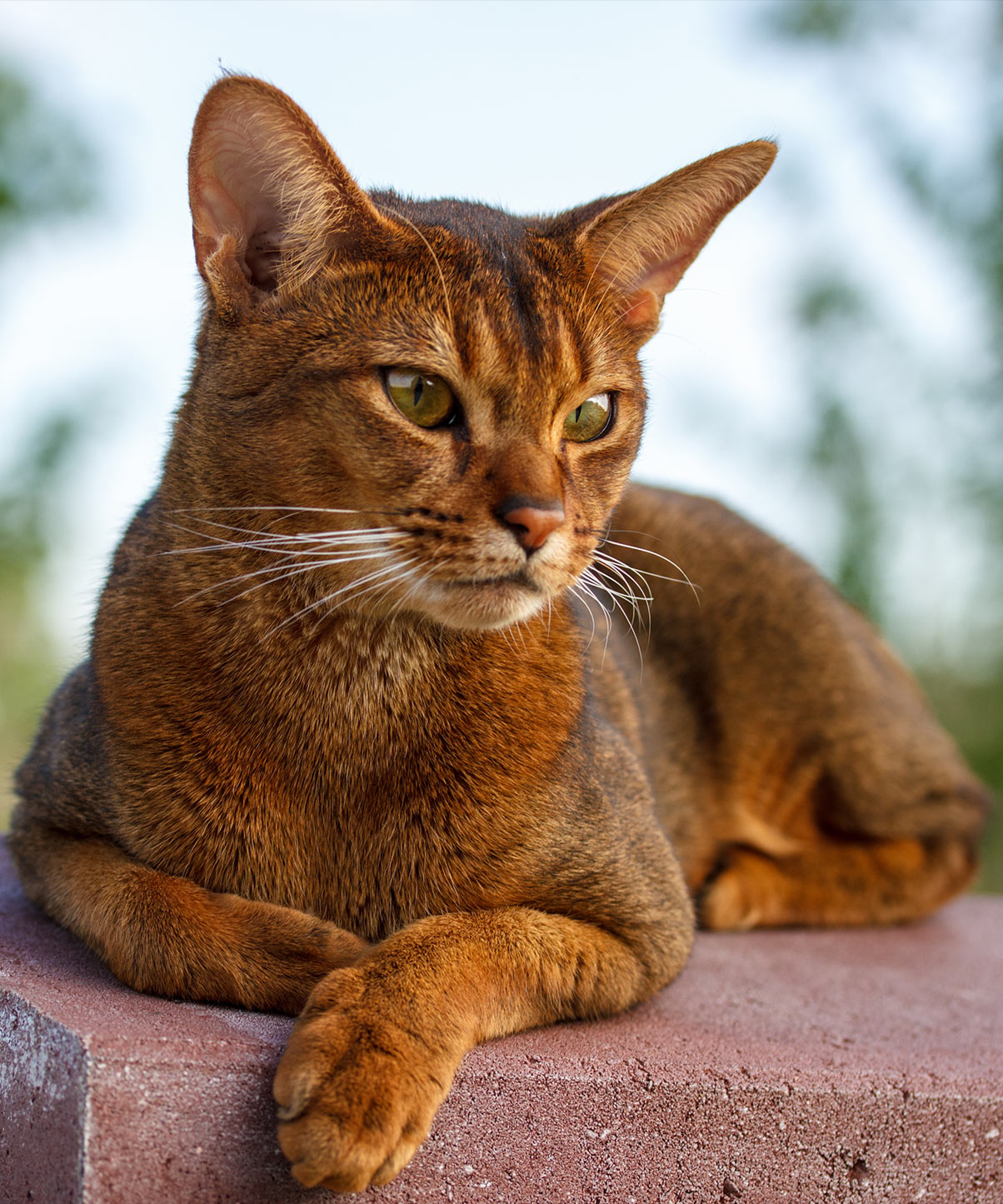
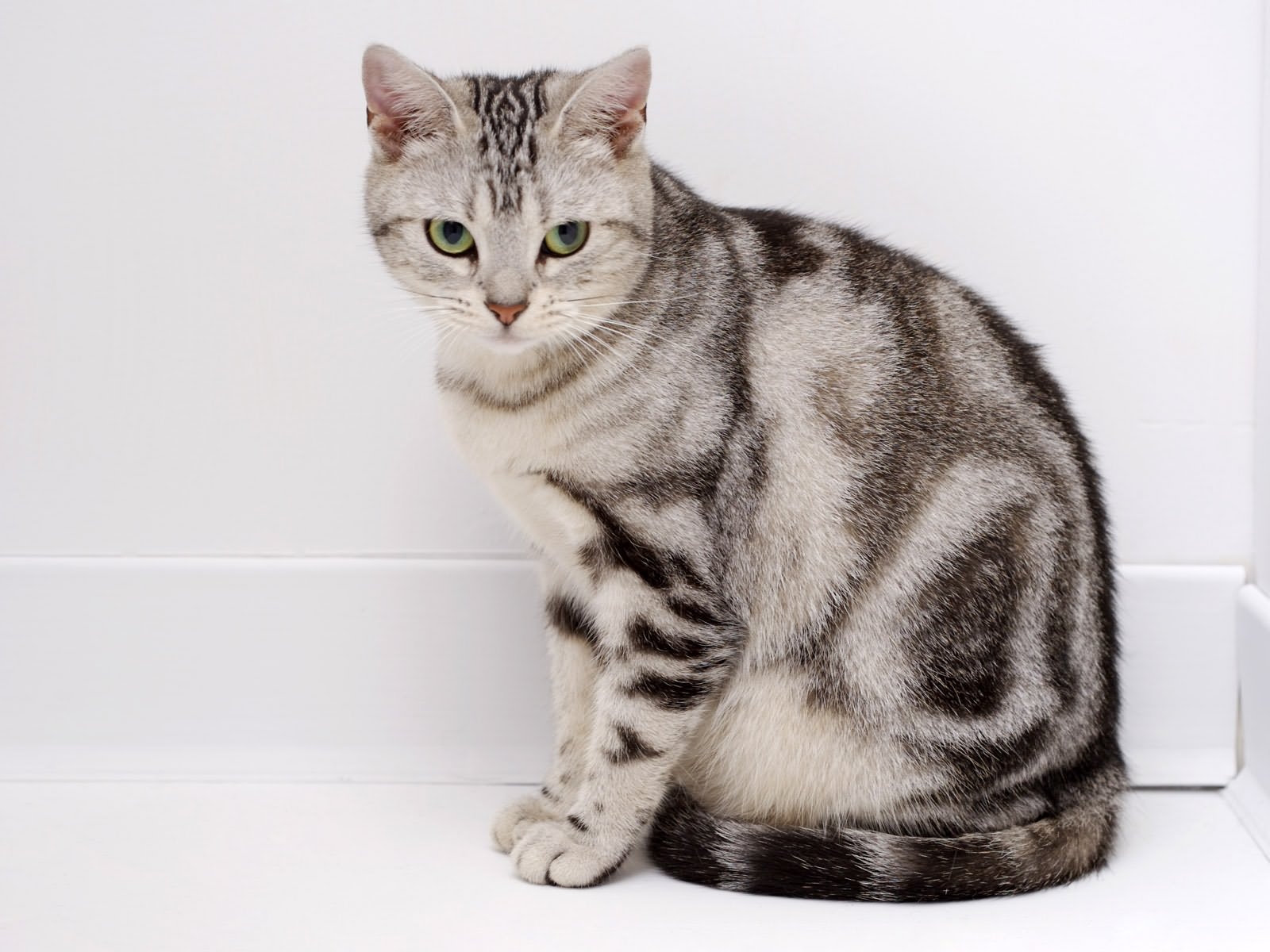
Cats swallow a great deal of loose hair while grooming, and in spring that load increases. Most of it passes through the digestive tract, but some forms into hairballs that are regurgitated. Regular brushing during shedding is the simplest preventive measure, since hair removed by a brush is hair the cat will not swallow. Hairball remedies—lubricants that help hair pass—can help, and increased moisture in the diet (wet food or a water fountain) supports normal digestion. Frequent or persistent hairballs are worth a veterinary check, as they can indicate a skin or gastrointestinal problem.
Tools That Make a Difference
The right tools turn shedding season from a chore into a manageable routine. A slicker brush removes loose topcoat and surface debris and is the workhorse for medium and long coats. An undercoat rake reaches the dense layer where mats begin, and works best in small sections rather than long strokes. A deshedding blade pulls out surprising quantities of undercoat from double-coated breeds, but it should be used gently and sparingly, since overuse can scratch the skin. A rubber curry brush is ideal for short, smooth coats, and a fine-toothed comb lets you check for mats after brushing. Keep a dedicated grooming basket near the door during peak season so that brushing happens before loose hair spreads through the house.
Manage the Home
Shedding season is as much a housekeeping challenge as a grooming one.
- Vacuum frequently, choosing a vacuum with a pet-hair attachment if possible.
- Wash pet bedding weekly, and consider washable covers on favorite furniture.
- Use lint rollers or reusable pet-hair brushes on clothing and upholstery.
- Keep a designated "pet blanket" on the sofa; it is easier to wash than the sofa itself.
When Shedding Is Abnormal
Normal shedding is even and seasonal. Abnormal shedding is different, and it usually signals a problem rather than a phase:
- Patchy or bald spots suggest infection, parasites, or hormonal disease.
- Red, inflamed, or itchy skin points to allergy, infection, or parasites.
- Constant scratching or biting is a sign of discomfort, not grooming.
- A dull, brittle coat with dandruff can reflect poor nutrition or an underlying illness.
If you notice any of these, a veterinary visit is warranted. The good news is that most causes of abnormal shedding respond well to treatment once identified—and are far more comfortable for your pet than waiting for the season to pass.
Frequently Asked Questions
Why does my pet shed so much in spring?
The shedding is driven by increasing daylight rather than by temperature. Lengthening days reduce melatonin production, signalling the coat to release the winter undercoat and grow a thinner summer coat. Because the trigger is light, shedding begins on roughly the same schedule each year regardless of the weather.
How often should I brush my dog during shedding season?
Daily for most double-coated breeds, and twice daily for long-haired pets in heavy shed. Use a tool that reaches the undercoat, such as a rake or de-shedding comb, rather than a surface brush, because the loose wool is beneath the guard hairs and needs to be removed before it mats.
Should I shave my dog to reduce shedding?
No. Shaving a double-coated breed does not stop shedding, and it removes the insulation that regulates temperature in both directions, leaving the dog hotter and the skin exposed to sun. The undercoat frequently regrows before the guard coat, producing a permanently patchy coat.
When is shedding a sign of a health problem?
Normal shedding is diffuse, symmetrical, and followed by visible regrowth. Warning signs are bald patches, symmetrical hair loss on the flanks, redness, crusting or intense itching, a coat that thins without regrowing, or skin that becomes greasy and thickened. Any of these needs a veterinary examination.