Canine Distemper: Symptoms, Treatment and Prevention

What Is Canine Distemper?
Canine distemper is a highly contagious viral disease caused by a paramyxovirus closely related to the viruses responsible for measles in humans and rinderpest in cattle. It attacks multiple body systems—respiratory, gastrointestinal, and, in many cases, the nervous system—which is what makes it so dangerous and so variable in how it presents. There is no cure. Treatment is supportive, and prevention through vaccination is the only reliable defense.
Distemper affects dogs, ferrets, and many wild carnivores, including foxes, raccoons, skunks, and wolves. It is found worldwide and remains a leading cause of death in unvaccinated dog populations.
How It Spreads
The virus spreads mainly through airborne droplets from coughing and sneezing, and through contact with shared surfaces such as food bowls, water bowls, and bedding. Infected animals can shed the virus before they show any symptoms, which makes outbreaks in shelters and kennels difficult to control. The virus does not survive long in the environment outside a host, and it is readily destroyed by common disinfectants, so thorough cleaning is an effective control measure. Humans and cats do not catch canine distemper, but people can carry the virus on clothing and hands and pass it to a susceptible dog.
Early Symptoms
The first phase of illness typically involves the respiratory and digestive systems, and the signs can easily be mistaken for a common cold or an upset stomach:
- Nasal and eye discharge, often thick and yellow-green
- Fever, lethargy, and loss of appetite
- Coughing and labored breathing
- Vomiting and diarrhea
- Depression and reluctance to move
Because these signs are nonspecific, owners often wait before seeking care—which is a costly delay, since early supportive treatment significantly improves the chances of survival.
Later Signs
As the virus reaches the central nervous system—sometimes weeks after the initial illness seems to improve—neurological signs appear. These include muscle twitching, head tremors, partial or full seizures, uncoordinated movement, and circling. One classic sign is hyperkeratosis of the paw pads and nose, sometimes called "hard pad disease," where the pads thicken and harden. Neurological damage is often permanent even when the dog survives. Some dogs also develop enamel damage to the teeth if infected young, and vision problems or blindness can occur.
Diagnosis and Treatment
Veterinarians diagnose distemper using a combination of clinical signs, history, and laboratory tests—including blood work, antibody tests, and PCR testing of swabs or samples. Because there is no antiviral cure, treatment focuses on supporting the dog through the illness: intravenous fluids, nutritional support, medications to control vomiting and diarrhea, antibiotics to prevent secondary bacterial infection, and anticonvulsants for seizures. Hospitalization and intensive nursing are often required.
Prevention Is Key
The core vaccine that protects against distemper—usually combined with adenovirus, parvovirus, and parainfluenza in the DHPP combination—is the cornerstone of prevention. Puppies receive a series of doses beginning at around six to eight weeks, with boosters every few weeks until about sixteen weeks of age, followed by a booster at one year and then every one to three years depending on the vaccine used and local guidance. Pregnant dogs, dogs with certain immune conditions, and very young puppies may not be fully protected, so limiting exposure until the vaccination series is complete is important.
Why Puppies Are Most at Risk
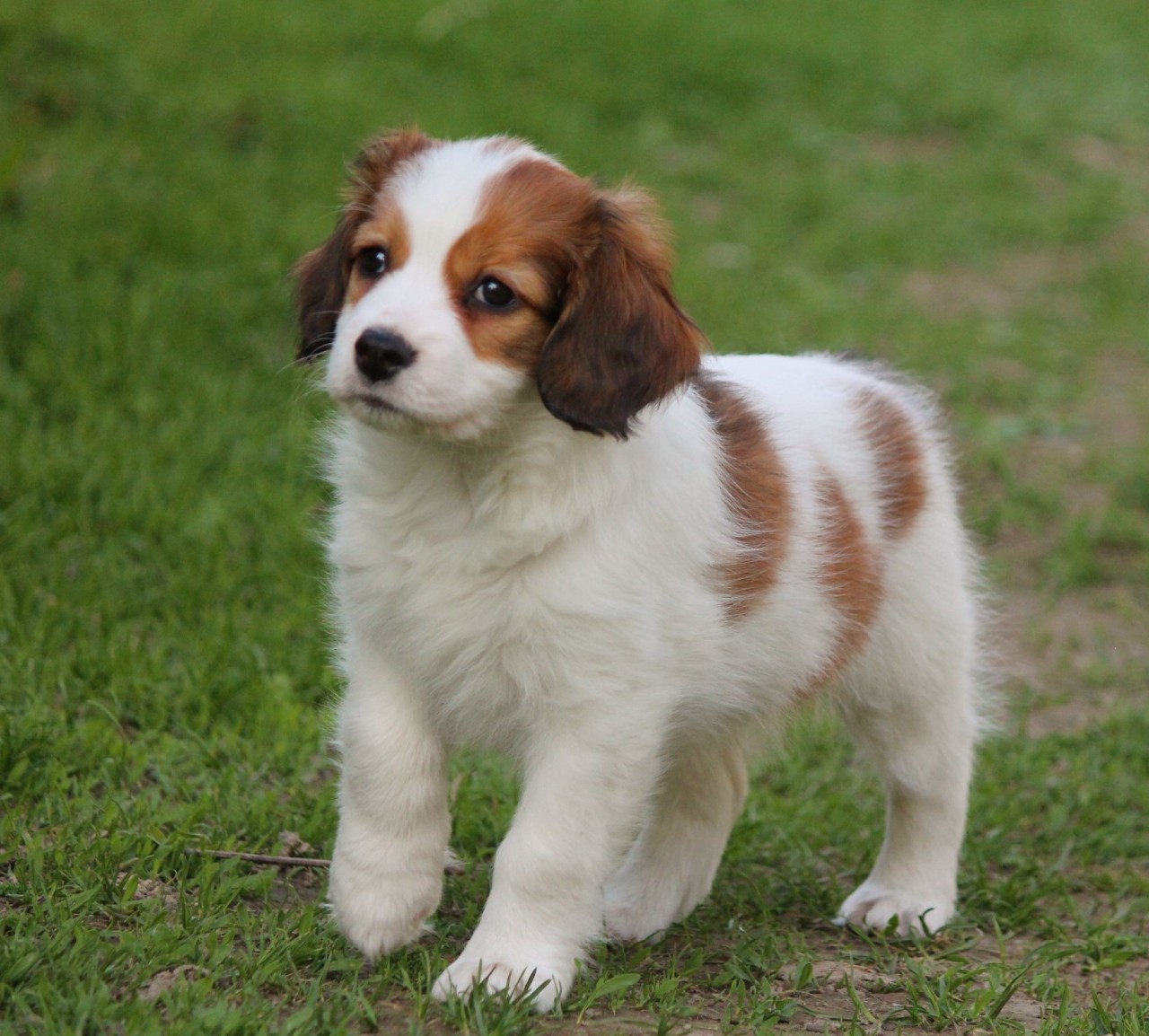
Puppies are the most vulnerable group for two reasons. Their immune systems are still developing, and the protection they inherit from their mother's antibodies fades at an unpredictable rate. If a puppy is vaccinated while maternal antibodies are still high, the vaccine may be neutralized and fail to produce immunity; if vaccination is delayed, the puppy is left unprotected during the very period when it is most susceptible. This is precisely why puppies receive a series of doses rather than a single injection, and why the series should be completed before a puppy is taken to places where unknown dogs gather. Keeping to the schedule matters more than any individual dose.
Risk Environments
Unvaccinated dogs are at risk wherever they meet other dogs. Shelters, kennels, breeding facilities, pet stores, and dog parks are common exposure sites, and puppy class is only safe if all participants are appropriately vaccinated. Wild animals can also be a source: a dog that chases or investigates raccoons, foxes, or skunks may be exposed.
Prognosis
Survival depends heavily on the dog's age, immune status, and how early treatment begins. Young puppies and dogs with neurological involvement have the poorest outcomes. Even dogs that recover may carry lasting damage. Because treatment is difficult, expensive, and uncertain, vaccination remains by far the most effective and economical approach—and the one that every owner can control.
Frequently Asked Questions
Can canine distemper be cured?
No. There is no antiviral treatment that clears the virus. Care is supportive: fluids, control of secondary infection, seizure management, and nutritional support while the dog's immune system attempts to clear it. Prognosis is guarded, and dogs that survive frequently retain permanent neurological or enamel damage.
What are the early signs of distemper in dogs?
Early signs are easily mistaken for a cold: fever, clear discharge from the eyes and nose, loss of appetite, and lethargy. These appear roughly three to six days after exposure and may seem to improve before the more serious phase begins.
How does distemper spread?
Through airborne droplets and direct contact with the secretions of infected animals, and also through shared food and water bowls, bedding, and the hands and clothing of people who have handled an infected dog. The virus is fragile in the environment but spreads efficiently in dense populations.
How effective is the distemper vaccine?
The core vaccine is highly effective and is the single most important protective measure. Puppies require a series rather than a single injection, because maternal antibodies interfere with the vaccine until they wane, which is why the series extends to around sixteen weeks.