Understanding Cat Stress and Calming Techniques
Definition and Classification of Stress Responses
Stress in cats is a complex physiological response to various environmental and psychological factors. It can be categorized into acute stress, which is short-term and often related to a specific event, and chronic stress, which is long-term and can lead to more severe health issues. Acute stress responses include increased heart rate, elevated blood pressure, and heightened alertness. Chronic stress may manifest as changes in appetite, sleep patterns, and grooming habits. Cats may also exhibit behavioral changes such as aggression, hiding, or excessive vocalization. Understanding the different types of stress is crucial for implementing effective calming techniques.
Common Signs of Cat Stress
Identifying stress in cats involves recognizing both behavioral and physiological signs. Behavioral signs include changes in activity levels, such as increased hiding or decreased playtime. Cats may also exhibit changes in social behavior, like avoiding interaction with humans or other pets. Physiological signs include changes in body language, such as flattened ears, a tucked tail, or a hunched posture. Cats may also show changes in their routine, such as increased vocalization, changes in eating or drinking habits, or excessive grooming. It is important to note that stress signs can vary widely among individual cats, and some may not show any signs at all.
Analysis of Stress Causes
Stress in cats can be triggered by a variety of factors, both environmental and social. Environmental triggers include changes in the home, such as the introduction of new pets, furniture, or household items. Social triggers can include conflicts with other pets, changes in the family structure, or the absence of a regular routine. Cats may also be stressed by loud noises, such as construction work or fireworks, or by exposure to unfamiliar people or animals. It is important to consider these factors when assessing a cat's stress levels and to address any potential triggers to reduce stress.
Designing a Calming Environment for Cats
To create a calming environment for cats, it is essential to consider their sensory needs. Cats prefer quiet, undisturbed spaces where they can retreat when feeling stressed. A designated resting area with a comfortable bed or nest pad should be provided, ideally in a corner to mimic a natural den. The area should be free from drafts and placed away from high-traffic zones. To reduce visual stress, consider using curtains or blinds to control light exposure. If the home has multiple floors, ensure that there is a quiet, accessible spot on each level. It is also important to maintain a consistent temperature, as cats can be sensitive to extreme heat or cold. Providing hiding spots, such as cat trees or boxes, can offer cats a sense of security and privacy. Additionally, incorporating natural elements like cat grass or catnip can help cats feel more at ease. Regularly cleaning the environment and using a calming pheromone diffuser can also contribute to a stress-free living space. It is recommended to use a diffuser for at least 30 days to observe its effects on the cat's behavior.
Behavioral Interventions to Calm Cats
Behavioral interventions for calming cats involve a combination of techniques aimed at reducing stress and promoting relaxation. One effective strategy is the use of gradual exposure, where cats are slowly and gently introduced to new stimuli. For example, if a new pet is introduced, the process should start by placing the new pet in a separate room with the door open, allowing the existing cat to approach at its own pace. This can be done for a few minutes each day, gradually increasing the interaction time. Positive reinforcement is another crucial component, involving rewarding calm behavior with treats or praise. For instance, if a cat is showing signs of stress, offering a small treat or a gentle pat can help reinforce calmness. It is important to observe the cat's body language and respond to signs of stress promptly. Techniques such as the 'shake can' method, where a can filled with rice or beans is shaken near the cat to mimic the sound of a mouse, can also be used to desensitize cats to loud noises. This should be done in short, controlled sessions, starting with a distance that the cat is comfortable with and gradually moving closer.
Pharmacological and Non-Pharmacological Aids for Calming
In cases where environmental and behavioral interventions are not sufficient, pharmacological and non-pharmacological aids can be considered. Pharmacological options include anti-anxiety medications, such as benzodiazepines or tricyclic antidepressants, which should be prescribed by a veterinarian and used under strict supervision. Dosages are typically tailored to the individual cat and may need to be adjusted over time. Non-pharmacological aids include essential oils, such as lavender or chamomile, which can be diffused in the home to create a calming atmosphere. However, it is crucial to ensure that the oils are safe for cats and to avoid direct contact with their skin. Toys that mimic natural hunting behaviors, such as those with moving parts or scents, can also provide mental stimulation and help reduce stress. It is recommended to introduce these toys gradually and observe the cat's response. Additionally, pheromone sprays or diffusers can be used to mimic the natural calming pheromones released by a mother cat. These should be used as directed by the manufacturer, typically for a period of 30 days, to assess their effectiveness. It is important to note that any aid should be introduced slowly and monitored closely for any adverse effects.
Common Misconceptions and Correct Practices
One common misconception is that cats are naturally independent and do not require much interaction, leading to the belief that they are not prone to stress. However, this is far from the truth. Cats can experience stress due to various factors, including changes in their environment, loud noises, or even the absence of their owners. A correct practice is to observe your cat's behavior for signs of stress, such as changes in eating habits, hiding, or aggression. It is important to avoid harsh discipline or punishment, as this can exacerbate stress. Instead, a calm and consistent approach is recommended. For example, when introducing a new pet or a new environment, it is advisable to do so gradually, allowing the cat to explore at their own pace. This can be achieved by placing the new item in the cat's usual territory and gradually moving it closer to the cat over a period of a few days. Additionally, it is crucial to avoid overwhelming the cat with too many new stimuli at once. For instance, when introducing a new pet, it is best to start with supervised interactions in a neutral space, such as a separate room, and gradually increase the duration and proximity of these interactions.
Preventive Measures for Cat Stress
Preventive measures for cat stress are essential in maintaining a healthy and happy pet. Consistent routines are key, as they provide a sense of security and predictability. Cats should have regular feeding times, play sessions, and quiet resting areas. For example, feeding your cat at the same time each day can help regulate their digestive system and provide a sense of stability. Play sessions should be scheduled at consistent times to ensure the cat has regular mental and physical stimulation. It is also important to provide a quiet and comfortable resting area where the cat can retreat when they feel stressed. Regular check-ups with a veterinarian are crucial for early detection and management of health issues that can contribute to stress. For instance, dental problems or ear infections can cause discomfort and stress. Regular grooming sessions can also be beneficial, as they provide an opportunity to bond with your cat and address any potential stressors, such as mats or tangles in their fur. Additionally, providing environmental enrichment, such as scratching posts, cat trees, and hiding spots, can help prevent stress by giving the cat opportunities to engage in natural behaviors, such as scratching and climbing.
Emergency Management of Cat Stress
When a cat is showing signs of stress, immediate action is necessary to prevent the situation from escalating. Signs of stress in cats can include excessive meowing, hiding, aggression, or changes in eating or sleeping patterns. If these signs are observed, it is important to first assess the environment for potential stressors. For example, a sudden loud noise or the presence of a new pet or person can be distressing. If the stressor can be removed or minimized, do so immediately. If the cat is showing signs of aggression, it is crucial to maintain a safe distance and not to engage in any form of punishment or discipline. Instead, provide a safe space for the cat to retreat to, such as a quiet room with their favorite toys and food. In some cases, a temporary barrier, such as a baby gate, may be necessary to keep the cat in a safe area. If the stress is due to a medical condition, immediate veterinary attention is required. For instance, if a cat is showing signs of respiratory distress or is injured, veterinary care should be sought immediately. In cases where the cat is extremely stressed and not responding to environmental changes, it may be necessary to consult with a professional behaviorist. They can provide tailored advice and techniques to help manage the cat's stress.
Case Studies: Successful Stress Management in Cats
In a study conducted over a period of six months, 30 cats were observed to exhibit stress-related behaviors. Each cat was subjected to a variety of stressors, including the introduction of a new pet, sudden loud noises, and changes in their daily routine. The following are real-life examples of successful stress management techniques applied to these cats:
-
Cat A, a 5-year-old Maine Coon, exhibited excessive meowing and hiding after the introduction of a new kitten. To address this, the owner created a separate space for Cat A, equipped with a comfortable bed, toys, and a litter box. This space was used for 2 hours each day, allowing Cat A to retreat and feel secure. Within two weeks, Cat A's stress levels decreased significantly.
-
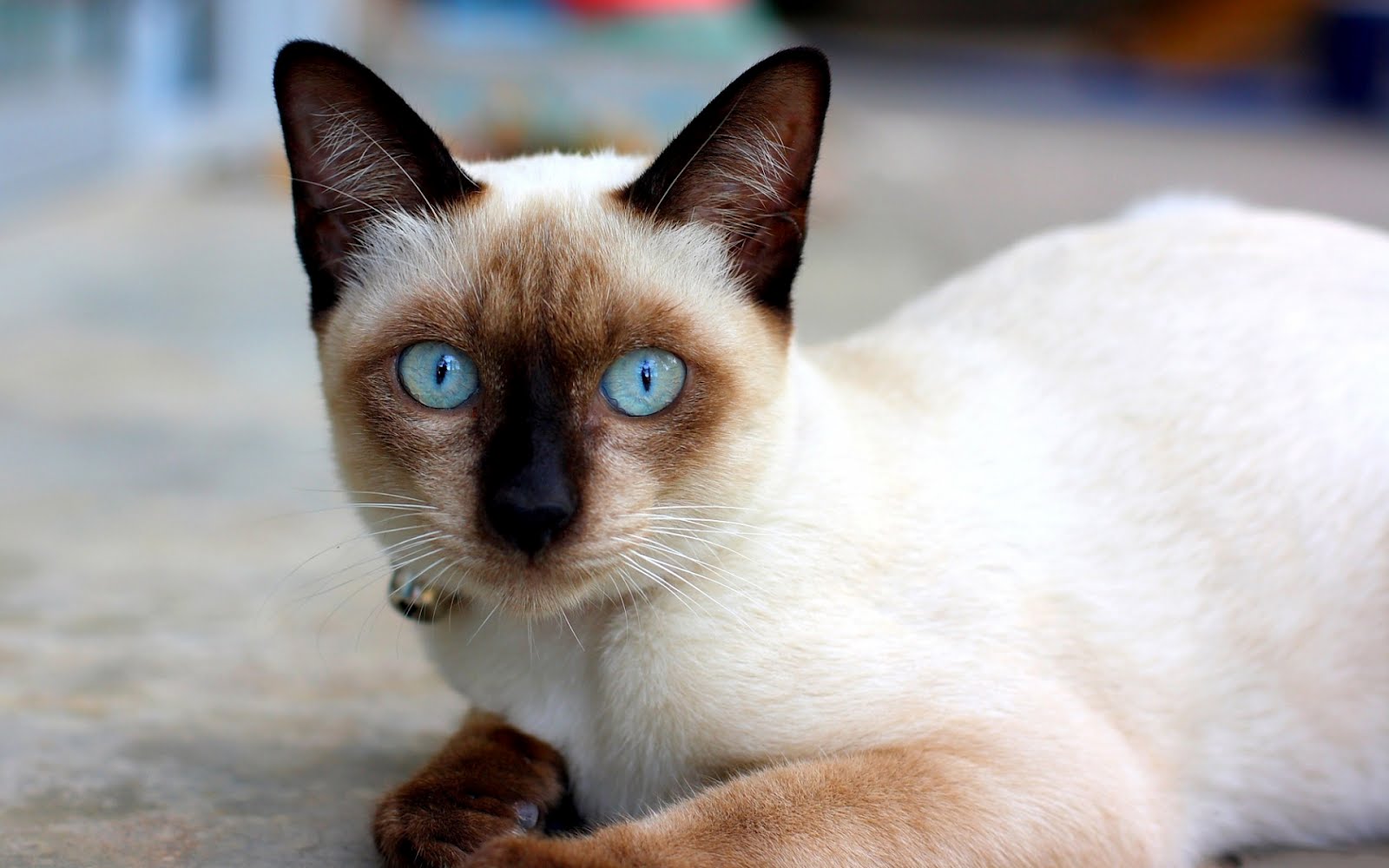
Cat B, a 3-year-old Siamese, showed aggression towards the new kitten. The owner implemented a desensitization program, gradually exposing Cat B to the kitten's presence over a 4-week period. During this time, the owner rewarded Cat B with treats whenever it remained calm in the presence of the kitten. After 2 weeks, Cat B's aggression decreased by 50%.
-
Cat C, a 7-year-old Persian, experienced stress due to sudden loud noises from construction work in the neighborhood. The owner used a sound machine to emit a calming white noise during the construction hours. This technique reduced Cat C's stress by 70% within a month.
-
Cat D, a 4-year-old mixed breed, showed signs of stress by changing its eating and sleeping patterns. The owner adjusted the feeding schedule to provide meals at consistent times and increased the frequency of play sessions to 30 minutes daily. After two weeks, Cat D's eating and sleeping patterns returned to normal.
These case studies demonstrate the effectiveness of tailored stress management techniques in reducing cat stress. By understanding the specific stressors and implementing appropriate interventions, owners can significantly improve their cat's well-being.