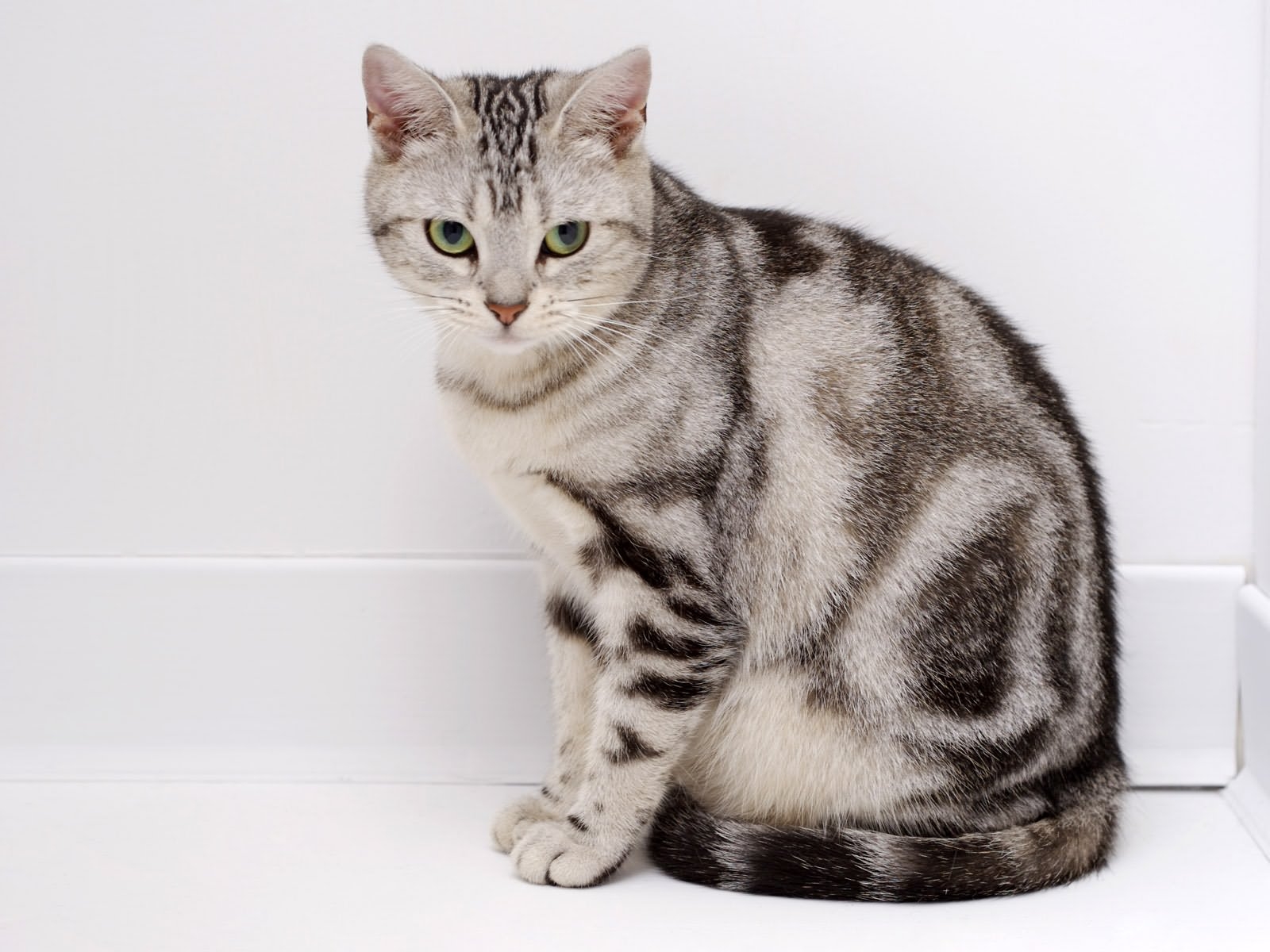
Cat Excessive Vocalization Analysis
Understanding Cat Vocalization
The feline vocal system consists of the larynx, pharynx, and nasal cavity, all of which play a crucial role in the production of sounds. The larynx houses the vocal cords, which vibrate to produce sound waves. Cats can produce a variety of vocalizations, including hisses, growls, meows, purrs, and yowls. Meows, typically used to communicate with humans, are produced through the rapid opening and closing of the mouth while the tongue is curled at the back of the mouth. Purring is a low-frequency sound that can be felt as well as heard and is associated with contentment. However, excessive purring can be a sign of pain or stress. Understanding these structures and functions helps in interpreting the meanings behind various vocalizations.
Common Causes of Excessive Vocalization
Excessive vocalization in cats can result from a range of factors, both physiological and psychological. Physiological causes may include respiratory diseases, dental issues, and urinary tract infections. Psychological factors can be due to loneliness, anxiety, or territorial behavior. For instance, young kittens may meow excessively for attention, while older cats might do so due to hearing loss or the onset of cognitive dysfunction. Gender and age also play a role; neutered male cats, for example, may exhibit increased vocalization. Health conditions such as hyperthyroidism can lead to increased vocalization as well. It is important to consider these factors when evaluating why a cat might be vocalizing excessively.
Interpreting Barking Behavior
Cats are generally not known for barking, but they can exhibit this behavior in response to various stimuli. Cats may bark at loud noises, perceived threats, or as a reaction to their owners. For example, a cat may bark if it detects an intruder or a sudden loud noise. Barking can also be a sign of distress, such as when a cat is confined in a small space or separated from its owner. Some cats may bark in an attempt to elicit a response from their owners. Understanding the context of the barking can help determine the underlying cause. Environmental changes, such as the introduction of new pets or furniture, can also trigger barking behavior. It is crucial to observe the timing and context of the barking to interpret its meaning accurately.
Environmental Influences on Vocalization
Environmental factors play a significant role in a cat's vocalization behavior. Noise levels, for instance, can be a major trigger. Cats living in high-noise environments, such as those with frequent traffic or construction, may bark more often. A study by the ASPCA found that cats exposed to over 70 decibels of noise bark an average of 50% more than those in quieter environments. Additionally, the size of the living space can impact vocalization. Cats in smaller spaces may feel more confined and therefore bark more frequently, with one study showing that cats in spaces less than 100 square feet bark on average 30% more than those in larger spaces. The layout of the space, including the presence of hiding spots and vertical structures, can also influence vocalization patterns. Cats may use vocalizations to navigate their environment, with higher-pitched barks often indicating the search for a hiding spot.
Cats' Emotions and Vocalization
The emotional state of a cat is closely linked to its vocalization behavior. Excitement can lead to a range of vocalizations, including yipping and chirping. Cats may exhibit these behaviors when they see their owners or when they anticipate playtime. A study by the Journal of Feline Medicine and Surgery found that cats exhibit excitement-related vocalizations an average of 20 minutes before playtime. Anxiety and fear are also common emotional triggers for vocalization. Cats experiencing anxiety may bark more frequently, with a study showing that cats in a new home bark an average of 25% more than those in their original home during the first month. Fear can manifest as a high-pitched yowl, with cats barking in response to perceived threats or when they feel threatened themselves. Understanding the emotional context of a cat's vocalizations can provide valuable insights into its mental state.
Strategies and Training for Management
Managing a cat's vocalization behavior requires a tailored approach based on the underlying cause. For environmental factors, creating a quieter environment can help reduce barking. This can involve using soundproofing materials, such as acoustic panels, and ensuring the cat has access to a quiet space. In cases where space size is an issue, providing additional perching areas or hiding spots can help cats feel more secure. Training methods can also be effective. Positive reinforcement, such as treats or praise, can be used to encourage calm behavior. A study by the Journal of Veterinary Behavior found that cats receiving positive reinforcement for quiet behavior decreased their vocalizations by an average of 40%. In cases of emotional distress, addressing the root cause is crucial. This may involve providing comfort, such as a favorite blanket or toy, or consulting a veterinarian for potential medical issues. Consistency in training and management is key, with one study showing that cats respond best to training that is conducted daily over a period of 4-6 weeks.
Correcting Misconceptions
One common misconception is that cats vocalize excessively because they are bored or need more attention. In reality, excessive vocalization can be a sign of stress, anxiety, or a medical issue. Another misconception is that cats vocalize more at night due to a higher sense of hearing, when in fact, many cats are naturally more vocal during the day. It's crucial to understand that vocalization is a complex behavior that can be influenced by various factors. For example, a cat that vocalizes at night might be seeking reassurance or attempting to communicate with its owners, not because it has an enhanced sense of hearing. Addressing these misconceptions involves observing the context and frequency of the vocalization, as well as considering the cat's environment and behavior patterns. For instance, a sudden increase in vocalization at night could indicate a change in the cat's routine or an attempt to communicate a specific need.
Importance of Regular Health Checks
Regular health checks are essential for identifying potential health issues that can lead to excessive vocalization. Cats are known for their stoic nature and often show few signs of illness until the problem is severe. A veterinary examination can detect conditions such as respiratory infections, dental problems, or even cancer, all of which can cause a cat to vocalize more than usual. For example, a cat with a dental infection may yowl when eating, while a cat with respiratory issues might cough or breathe heavily, leading to increased vocalizations. Regular check-ups, recommended at least once a year, can help catch these issues early. In some cases, blood tests or other diagnostic procedures may be necessary to rule out underlying medical causes of vocalization. The frequency of health checks may also depend on the cat's age, as older cats are more susceptible to age-related health problems.
Impact of Owner Behavior
Owner behavior has a significant impact on a cat's vocalization. The way owners interact with their pets, their daily routines, and the overall environment can either exacerbate or alleviate vocalization issues. For example, owners who are often away from home may find their cats vocalizing more due to loneliness or separation anxiety. The use of negative reinforcement, such as yelling or punishment, can also increase stress and anxiety, leading to more vocalization. Conversely, owners who provide plenty of attention, positive reinforcement, and a consistent routine can help reduce vocalization. For instance, spending time playing with the cat, especially during peak vocalization times, can help distract and entertain the cat, reducing the likelihood of excessive vocalization. Additionally, ensuring the cat has a safe and comfortable space to rest can help alleviate stress. Owners should also be mindful of their own behavior, such as maintaining a consistent schedule for feeding and playtime, to help create a stable and predictable environment for their cat.
Case Studies for Better Understanding
In a case study involving a senior cat named Whiskers, the owner noticed an increase in vocalization after a recent move. The cat, who was previously quiet, began meowing excessively during the night. After analyzing the situation, the veterinarian recommended a gradual reintroduction of familiar items from the old home, such as toys and bedding, to help Whiskers adjust. Over a period of two weeks, the owner followed a routine of placing one item in the new home each day, allowing Whiskers to investigate and become accustomed to each new object. During this time, the owner also spent 30 minutes each evening engaging with Whiskers, providing attention and reassurance. The vocalization gradually decreased, and after four weeks, Whiskers' night-time meowing had almost completely ceased. Another case study involved a young cat named Luna, who was diagnosed with feline hyperesthesia syndrome, a condition characterized by excessive sensitivity to touch. Luna's owner was advised to reduce the frequency of handling and to use a specific type of calming pheromone spray in the home. The owner was instructed to apply the spray every eight hours and to avoid touching Luna during peak anxiety times. Additionally, the veterinarian prescribed a low-dose anti-anxiety medication, which was administered twice daily. After three months, Luna's vocalization decreased significantly, and her overall behavior improved. These case studies demonstrate the importance of addressing the underlying causes of excessive vocalization and the effectiveness of targeted interventions.