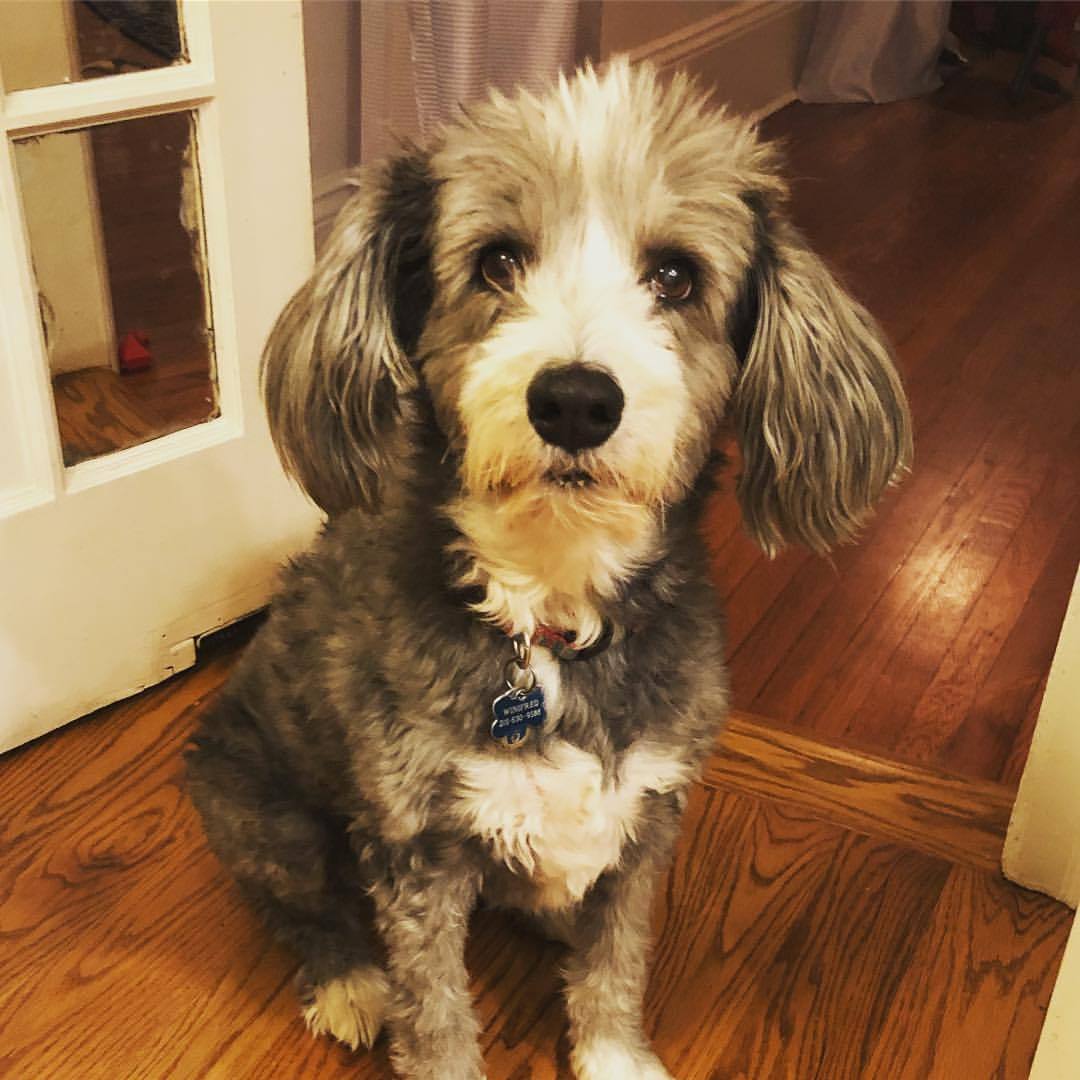
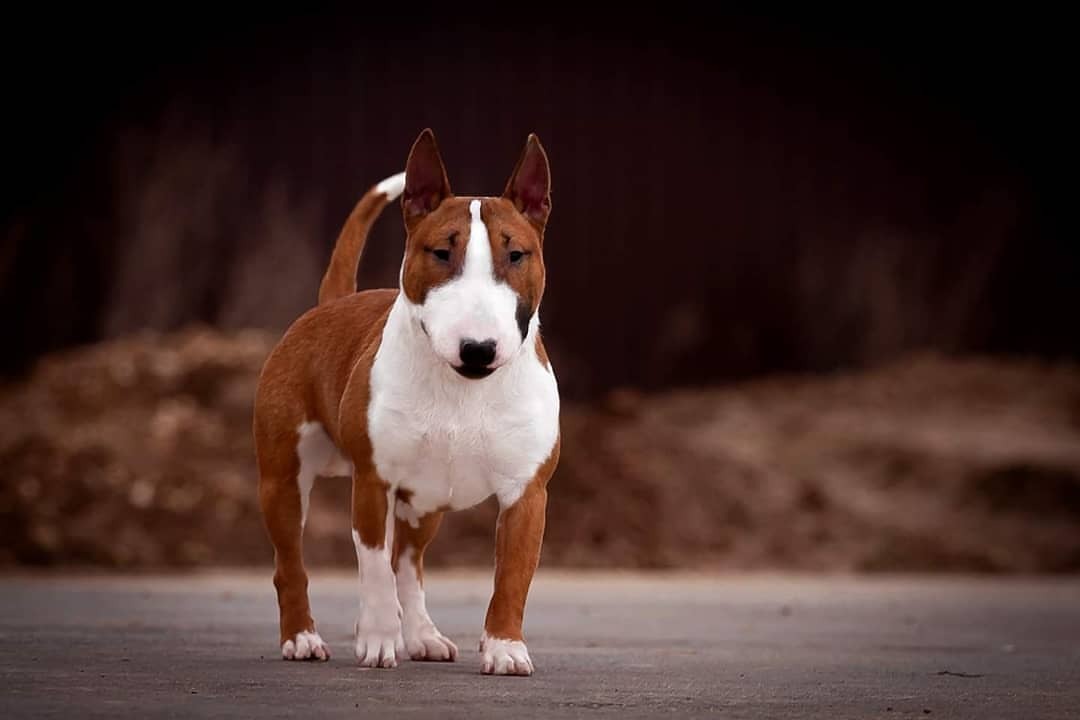
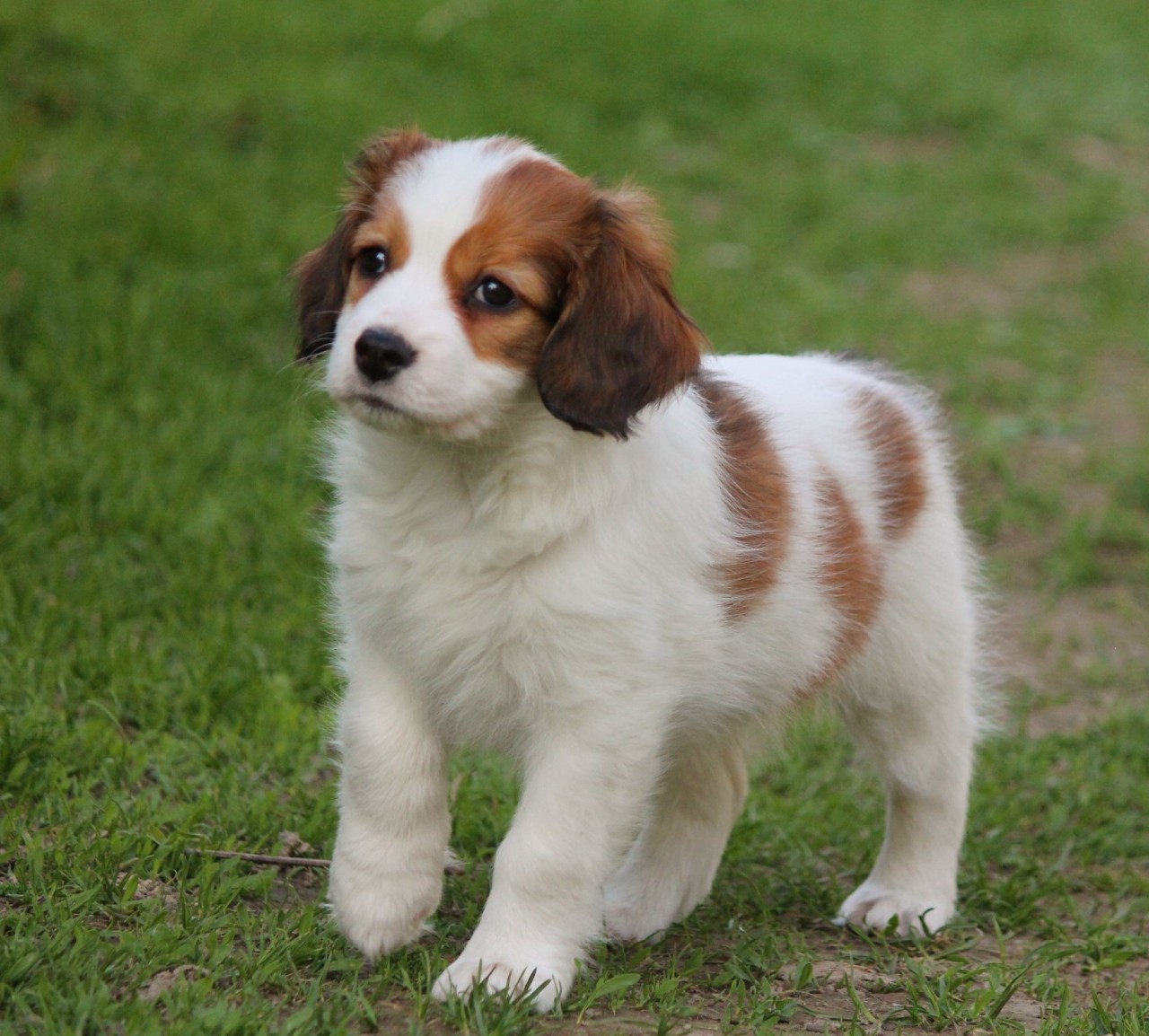
Domestic Dogs: Types, Roles, and Temperaments
The Most Variable Species on Earth
No other domesticated animal comes in such a range of shapes, sizes, and temperaments. A Chihuahua and a Great Dane are the same species, separated by fewer genetic differences than exist between many wild species—yet they differ in adult weight by a factor of fifty. That variety is the product of centuries of selective breeding, each line shaped for a job: herding, guarding, retrieving, or simply companionship. Understanding those groups is the fastest way to predict what a dog was built to do—and what it will need from you.
The Working Groups
Most kennel clubs sort breeds into functional groups. The exact names vary by country, but the underlying logic is consistent.
Companion and Toy Breeds
Bred purely for company, these dogs are typically small, people-focused, and adaptable to apartment life. They still need training, socialization, and daily activity—small does not mean low-maintenance. Many were originally lap dogs for nobility, which is why they tend to be highly attuned to human attention.
Working Breeds
Historically selected for guarding property, pulling carts, and protecting livestock. Breeds in this group tend to be large, strong, and confident, with a strong sense of territory—traits that need early socialization and clear structure. Many now serve in police, military, and service roles.
Herding Breeds
Bred to control the movement of livestock, herding dogs are often intensely intelligent and highly responsive to direction. Without a job, that drive can turn into shadow-chasing, nipping at children's heels, or staring at moving objects. They are usually the most trainable group and also the most demanding of mental work.
Sporting and Gundog Breeds
Pointer, retriever, and spaniel types were developed to work with hunters: finding, flushing, and retrieving game. They tend to be biddable, energetic, and eager to please, which makes them popular family dogs—provided their exercise needs are genuinely met. A retriever that is walked once around the block is a retriever that will find something to do indoors.
Terriers
Bold, tenacious, and originally employed to hunt vermin, terriers are independent thinkers with high prey drive. They often have strong personalities and a tendency to dig or chase. They thrive with owners who appreciate their spirit and provide structured mental challenge.
Hounds
Scent hounds follow trails with astonishing persistence; sight hounds chase by vision with explosive speed. Both were bred to work at distance from humans, which is why they can be selective about recall. Scent hounds tend to be sociable and vocal; sight hounds are often quiet and surprisingly calm indoors.
What Actually Shapes Temperament
Breed group is a starting point, not a destiny. Four factors interact:
- Genetics. Breed tendencies set a range of likely behaviors, not a fixed script.
- Early experience. The socialization window—roughly the first three to four months—exerts a lifelong influence on how bold, fearful, or friendly a dog becomes.
- Individual variation. Within one litter, puppies differ noticeably in confidence and energy.
- Environment and training. Consistent, reward-based training can shape behavior far more than breed alone.
This is why meeting the individual dog matters as much as reading about the breed.
Matching a Dog to Your Life
| Your situation | Better fit | Poor fit |
|---|---|---|
| Apartment, long work hours | Mature companion breed, low-energy adult | High-drive herding or working puppy |
| Active runner | Sporting, herding, or athletic mix | Brachycephalic or senior companion breed |
| First-time owner | Biddable adult with known history | Strong-willed guarding breed |
| Family with young children | Social, tolerant adult dog assessed with kids | Resource-guarding dog with unknown history |
The most common cause of rehoming is a mismatch between the dog's needs and the owner's capacity—not a "bad dog."
Care That Applies to Every Dog
Whatever the breed, five needs are universal: complete and balanced nutrition appropriate to life stage, daily physical and mental exercise, training using positive reinforcement, preventive veterinary care including vaccination and parasite control, and genuine companionship. A tired, well-trained, socially included dog is almost always a well-behaved dog.
Choosing Wisely
Research the breed, then meet the individual. Ask about energy level, sociability with children and other animals, and any known history of guarding or fear. Adoption gives a home to a dog that needs one, and shelter staff are often the best source of honest information about temperament. Above all, plan for a decade or more of daily commitment—the decision outlasts the enthusiasm that prompts it.
Frequently Asked Questions
How are dog breeds grouped?
The most widely used system organises breeds into groups by original function: sporting, hound, working, terrier, herding, toy, and non-sporting. The grouping is useful as a first filter because function shaped both body and temperament, even in breeds that no longer work.
Which dog group is best for families?
There is no single answer, because the individual dog matters more than the group. Sporting and non-sporting breeds often suit active families, while toy breeds suit smaller homes with gentler handling. The reliable method is to match activity level, size, and grooming tolerance to the household rather than choosing by group label.
Do mixed-breeds have fewer health problems than purebreds?
Not reliably. Hybrid vigour is real in the first cross of two distinct lines, but mixed-breed dogs can inherit the health problems of both parent breeds and are rarely screened for the inherited conditions that responsible breeders test for. Insurance data suggests broadly similar lifetime costs.
How do I choose a dog that fits my lifestyle?
Work from constraints inward: the space you have, the hours the dog would be alone, the exercise you will genuinely provide, and the grooming you are willing to sustain. Then filter breeds by those limits, and meet adult dogs of the shortlisted breeds before deciding. Size and appearance are the least predictive factors.