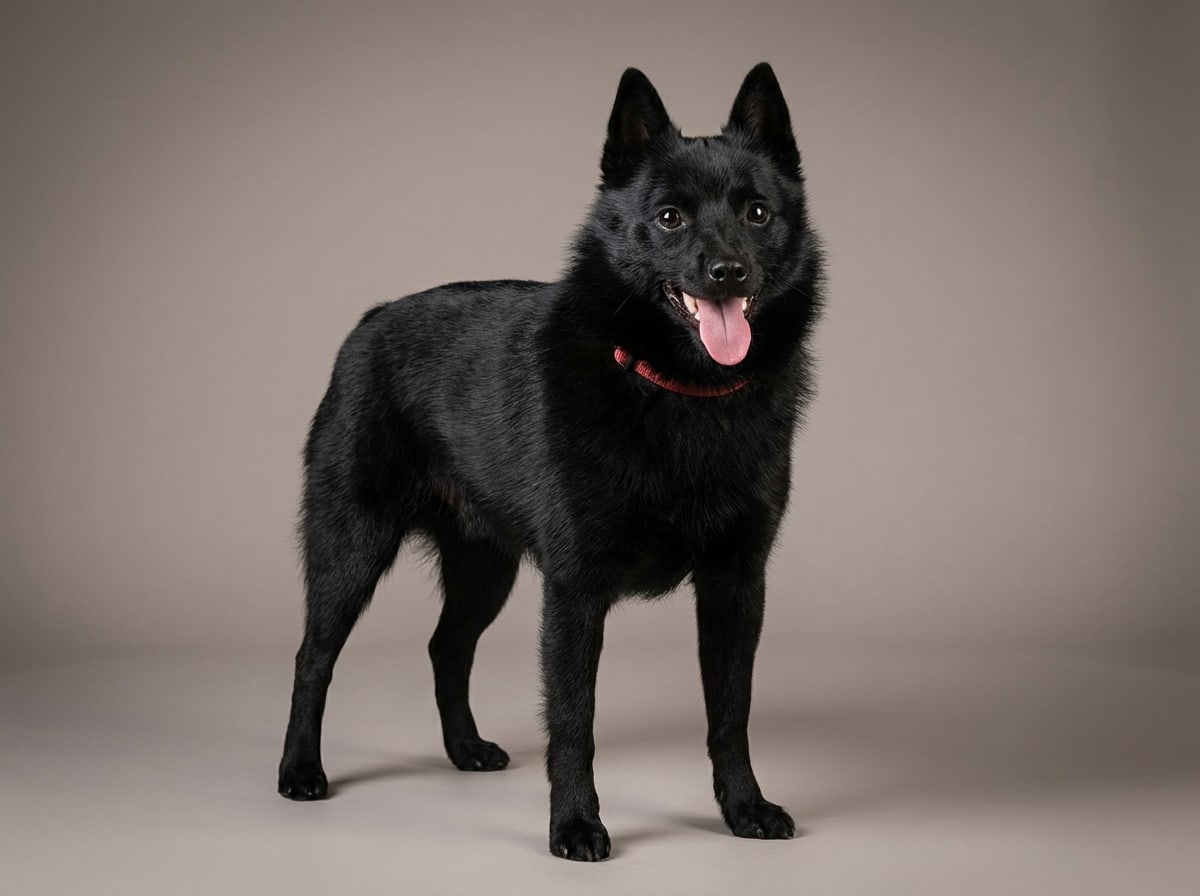
Origins and History
The Šarplaninac, known for its ancient molossoid-type build, originates from the Šar Mountains region, spanning Serbia, North Macedonia, Kosovo, and Albania. This large, robust livestock guardian dog has a rich history, with records indicating its presence during Ottoman times when it accompanied sheep flocks between the Šar Mountains and Thessaly. The breed was initially recognized by the Fédération Cynologique Internationale as the Illyrian Shepherd Dog in 1939, changing its name to Yugoslavian Shepherd Dog – Sharplanina in 1957.
Throughout history, the Šarplaninac was integral to the transhumant system, moving with herds between mountainous summer pastures and winter plains. The breed's adaptability to various climates and its protective nature made it invaluable to farmers and shepherds. Following the breakup of Yugoslavia in the 1990s, the breed's numbers were significantly reduced, but it remains predominantly in the Šar Mountains, where it is thought to have originated.
In 1968, the Kraški Ovčar or Karst Shepherd Dog, previously considered a sub-type of the Šarplaninac, was recognized as a separate breed. This recognition underscores the Šarplaninac's distinct characteristics and its historical significance in the region. The Karst Shepherd Dog is known for its agility and is often used for herding and guarding in the rugged terrain of the Dinaric Alps.
Physical Description
The Šarplaninac is a large and strongly built dog, weighing between 35-55 kg for males and 30-50 kg for females. Males typically stand at 61-70 cm tall at the withers, while females reach 56-66 cm. This breed boasts a dense, weather-resistant double coat that is medium in length, providing it with excellent protection against the harsh mountain environment.
The Šarplaninac's coat is generally short on the head and ears but becomes longer on the body and tail, forming a thick undercoat. This unique coat not only shields the dog from the elements but also helps it blend into the natural landscape when necessary. The coat colors can vary, with common shades including gray, brindle, and wolf gray, and it is not considered hypoallergenic.
The breed's distinctive appearance and protective coat have made it a popular choice for guarding livestock and property.
Temperament and Behavior
Šarplaninac dogs are known for their calm, independent protective nature. This breed requires a firm but fair hand in training due to its independent streak. Their temperament makes them excellent at deterring predators and protecting their flock, traits that have been honed over centuries of living in the wild mountainous regions of the Balkans.
Despite their protective instincts, Šarplaninac dogs are not overly aggressive. They can be friendly and gentle, especially with children, but their loyalty to their family and territory often means they may be reserved with strangers. This behavior is a result of their natural guarding role, which has been refined through generations of living in close proximity to humans and livestock.
Health Considerations
The Šarplaninac generally enjoys a long lifespan of 11-13 years. However, as with any breed, there may be certain health considerations that owners should be aware of. Common health issues include hip dysplasia, which can affect large breeds, and elbow dysplasia, both of which can lead to mobility issues.
Other potential health concerns include bloat, a life-threatening condition that can occur in deep-chested breeds, and entropion, a condition where the eyelid rolls inward, causing irritation and potential damage to the eye.
Training and Socialization
Training a Šarplaninac requires patience and consistency. Their independent nature means they may not respond well to harsh or overly repetitive training methods. Positive reinforcement techniques, such as treats and praise, are more effective in motivating this breed. Training should begin early and be focused on building confidence and trust.
However, their natural guarding behavior means they may be cautious with strangers, which can be beneficial in the right context but may require careful handling in urban settings. Socialization should be a priority to ensure they are comfortable in various environments and with different people and animals.
Living with a Šarplaninac
Living with a Šarplaninac requires a commitment to providing them with a stable, secure environment. A large yard or a farm can be ideal, as they require ample space to exercise and explore. They are not suited for apartment living or households without a secure outdoor area. Their protective instincts mean they may bark at perceived threats, which can be a consideration for those living in close proximity to neighbors.
Šarplaninac dogs are known for their loyalty and dedication to their family. Providing them with mental stimulation through activities like agility training or obedience classes can also help keep them physically and mentally healthy.
Buying a Šarplaninac: What to Consider
When considering adding a Šarplaninac to your family, there are several factors to keep in mind. First, be prepared for the cost of ownership, which includes not only the initial purchase price but also ongoing expenses such as food, veterinary care, and grooming. The Šarplaninac is a large breed, requiring quality food that supports their active lifestyle.
- Look for reputable breeders who can provide health clearances and ensure that the puppies are well-socialized. The United Kennel Club (UKC) and the American Kennel Club (AKC) are two organizations that can help identify reputable breeders.
- Be prepared for the time and effort required to train and socialize your Šarplaninac effectively. This breed's independent nature means they may require more time and patience than other breeds.
Owning a Šarplaninac is a rewarding experience for those who are willing to provide the right environment, care, and training. This breed's unique combination of loyalty, independence, and protective instincts can make them a fantastic companion for the right family. However, potential owners should be aware of the breed's specific needs and challenges to ensure a harmonious relationship.
Frequently Asked Questions
What is the lifespan of the Šarplaninac?
The average lifespan of the Šarplaninac is about 11-13 years. Good nutrition and regular veterinary care support a healthy life.
What is the temperament of the Šarplaninac?
The Šarplaninac is known for: Independent, Protective, Loyal, Calm, Courageous, Confident. Its energy level is low.
What size and weight is the Šarplaninac?
It is a large dog, typically around Male: 35-55; Female: 30-50 kg as an adult.
Is the Šarplaninac easy to care for?
Reliable grooming and shedding ratings are not available. Routine brushing, ear and dental care, and nail trims are still recommended.
Is the Šarplaninac good with kids and other pets?
Reliable child- and pet-friendliness ratings are not available. Supervised, gradual introductions are recommended.
How much exercise does the Šarplaninac need?
With a low energy level, it needs walks, play or training matched to its stamina.
Šarplaninac
Trait Scores
N/A