Origin and Historical Role
The Aidi is a dog breed native to the Atlas Mountains of North Africa, primarily found in Morocco. It was historically used as a livestock guardian, protecting herds of sheep and goats against wildcats, predators, and strangers. This role was so crucial that the Aidi was stationed around the camp perimeter at night, with the most alert and aggressive dogs providing security.
Initially referred to as the Atlas Sheepdog in the 1963 standard, the Aidi's name was corrected in 1969 as it was never used as a sheepdog. This breed has been utilized by the Berber tribes, sharing some ancestral resemblance with the pariah dog. The Aidi's working heritage is reflected in its protective nature, which has led to a club being formed in Morocco to preserve the breed's purity.
In its role as a protector, the Aidi was stationed around the camp perimeter at night, with the most alert and aggressive dogs providing security. Despite not receiving the same level of admiration as breeds like the Sloughi, a club has been formed in Morocco to preserve the breed's purity and ensure its survival.
Physical Characteristics
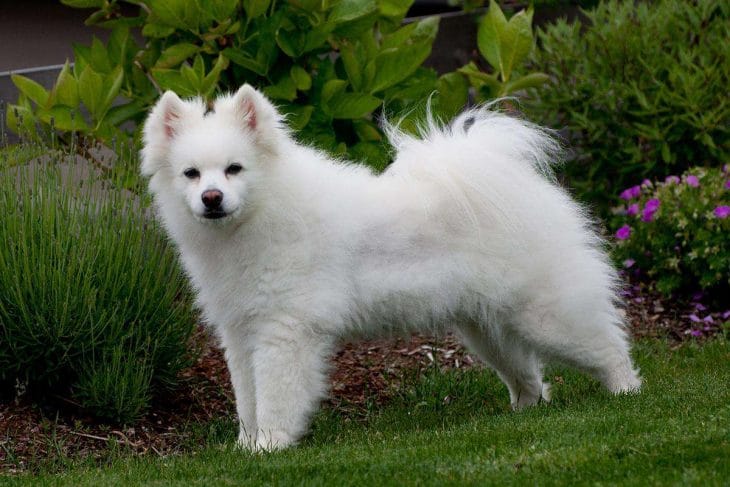
The Aidi stands 52–62 cm (20–24 in) in height and weighs around 25 kg (55 lb). It has a lean, muscular body, and is protected by a coarse, thick, weather-resistant coat. The coat is heavy and soft, coming in colors such as white, black, black and white, pale red, and tawny. The breed's coat is particularly important for its ability to protect against the harsh climate of the Atlas Mountains.
The Aidi has a bear-like head, proportionate to the body, with a tapered muzzle, black or brown nose, strong jaws, and tight black or brown lips. The medium-sized ears are tipped forward and drop slightly, and the eyes are medium, dark, and have dark rims. This distinctive appearance has contributed to the breed's recognition and popularity.
In some regions of Morocco, the ears are cropped and the tail is docked, a practice that has influenced the breed's appearance. This practice is a reflection of the breed's working heritage and its need to be functional in its role as a livestock guardian.
Temperament and Personality
The Aidi is known for its alert, protective, independent, loyal, courageous, and intelligent temperament. It is energetic and can be quite friendly, although it maintains a lower level of friendliness compared to some other breeds. This temperament makes the Aidi an excellent choice for families looking for a loyal and protective companion.
Its trainability is high, which is beneficial for its working background. However, the Aidi's independent nature may require a confident and experienced handler to ensure proper training and socialization. This breed is highly energetic and requires a substantial amount of exercise and mental stimulation to be content and fulfilled, especially in urban environments where it may need to adapt to new surroundings and tasks.
This breed's temperament is also influenced by its historical role as a livestock guardian. It has a natural instinct to protect and watch over its family and property, which can make it a great choice for those looking for a guard dog.
Lifestyle and Adaptability
The Aidi is a working dog breed that has gained popularity as a household pet in urban areas. It can adapt well to an urban environment when given sufficient tasks and exercise. This adaptability is due in part to the breed's high energy levels and its ability to learn new tasks and challenges.
Despite its working heritage, the Aidi is capable of living comfortably in an urban setting as long as its high energy levels are met with regular physical activity and mental challenges. This can include activities such as training, agility, and other dog sports, which can help to channel the Aidi's energy and keep it mentally engaged.
Health and Genetics
Specific details regarding health conditions in this breed are not readily available, but owners should be aware of potential genetic health concerns common in similar breeds.
Additionally, owners should be vigilant for any signs of illness or injury, as the Aidi's working background means it is often subjected to physical demands that can strain its body.
Cost and Maintenance
While the Aidi is a relatively affordable breed, its high energy levels and specific care requirements mean that the overall cost of ownership can be significant.
Its energy levels also necessitate a commitment to providing ample exercise and mental stimulation. This can include activities such as long walks, runs, and play sessions, as well as training exercises and mental challenges to keep the Aidi engaged and happy.
Buying Checklist and Household Considerations
- Research breed-specific health concerns and ensure the breeder provides health clearances.
- Assess the availability of Aidi breeders in your area and visit potential homes to ensure the dog's welfare.
- Consider the dog's high energy levels and ensure your household can provide adequate exercise and mental stimulation.
- Ensure your home is secure, as the Aidi is a natural guardian and may attempt to protect your property.
- Be prepared for the potential costs associated with the Aidi's high energy levels and specific care requirements.
Frequently Asked Questions
What is the lifespan of the Aidi?
The average lifespan of the Aidi is about 10-12 years. Good nutrition and regular veterinary care support a healthy life.
What is the temperament of the Aidi?
The Aidi is known for: Alert, Protective, Independent, Loyal, Courageous, Intelligent, Energetic. Its energy level is high.
What size and weight is the Aidi?
It is a large dog, typically around 23-25 kg as an adult.
Is the Aidi easy to care for?
Reliable grooming and shedding ratings are not available. Routine brushing, ear and dental care, and nail trims are still recommended.
Is the Aidi good with kids and other pets?
Reliable child- and pet-friendliness ratings are not available. Supervised, gradual introductions are recommended.
How much exercise does the Aidi need?
With a high energy level, it needs walks, play or training matched to its stamina.
Aidi
Trait Scores
N/A