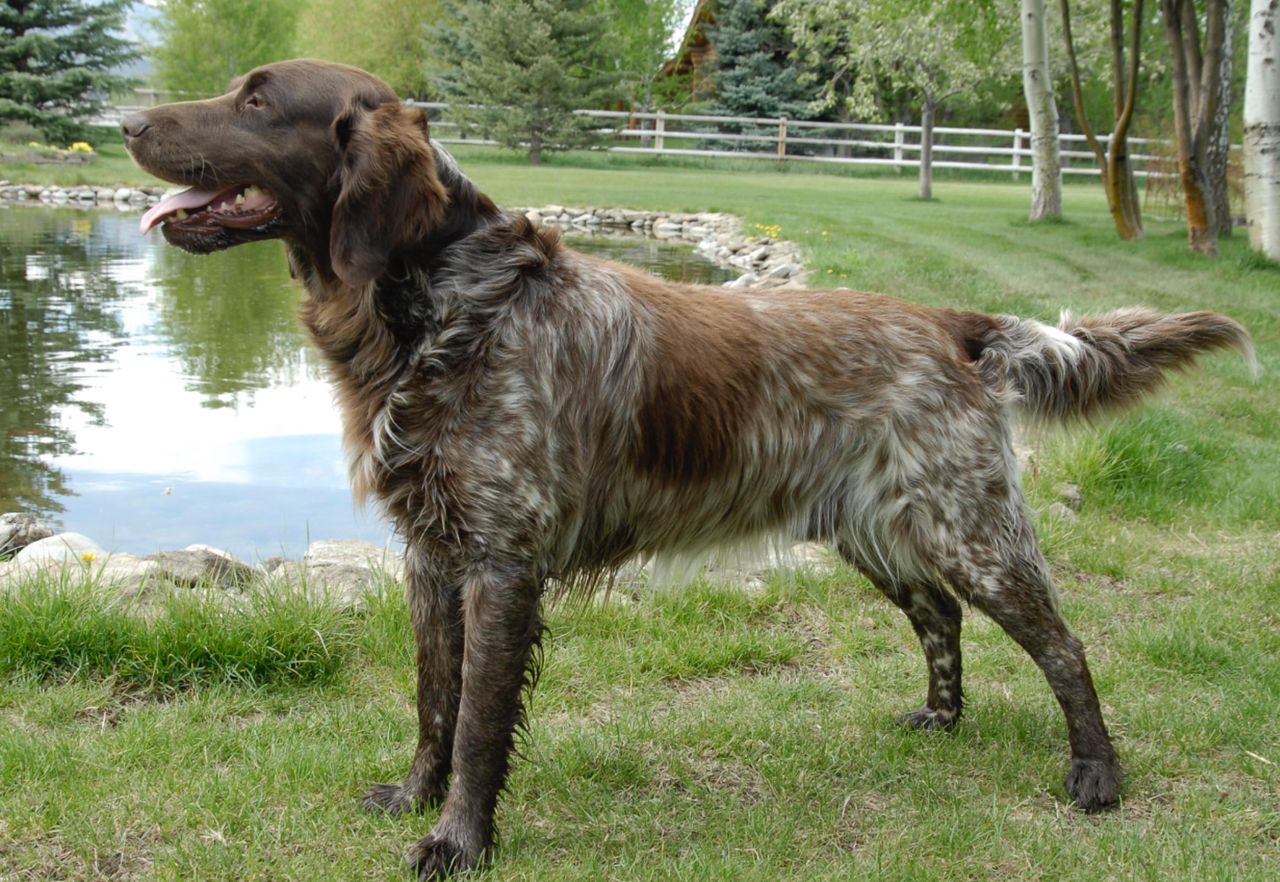
Africanis Breed Overview
The Africanis is a medium-sized, athletic landrace dog that originated in Southern Africa. This breed is known for its variable appearance and short coat, which is a result of centuries of natural selection by African communities. The Africanis is adapted to harsh environments and is recognized for its intelligence, loyalty, alertness, adaptability, and independence. These traits have made the Africanis a valuable companion and working dog across different landscapes and climates.
Physical Description
The Africanis typically stands between 50 and 62 centimeters (20 and 24 inches) tall at the shoulder. Males weigh between 25 and 34 kilograms (55 to 75 pounds), while females range from 20 to 32 kilograms (44 to 71 pounds). The breed has a lightly built body with a long, slender muzzle and a distinctive black patch on the outside of the tail, a feature possibly linked to the caudal gland found in wild wolves. This gland may play a role in the breed's territorial behavior.
Despite regional variations, the Africanis maintains a consistent, recognizable form, thanks to its breeding true to type. The coat is short and can come in almost any color or combination of colors, with fawns, browns, brindles, and blacks with various white markings being common.
Origin and History
The Africanis descends from ancient Egyptian dogs found in the Nile Delta around 5,900 years ago. These dogs spread throughout Africa with population migrations, eventually reaching southern Africa around the 6th century AD. The Africanis has always been associated with human settlements in the region, serving as a herder, guardian, and companion. The breed's versatility and resilience were essential in the diverse ecosystems of southern Africa.
Despite being looked down upon by European settlers, the Africanis was valued by Europeans in Africa. In an effort to protect and preserve the breed, the Africanis Society of Southern Africa was established in 1998. The name "Africanis" is a portmanteau of "Africa" and "canis," reflecting the breed's African heritage. The society's establishment marked a significant moment in the breed's history, as it provided a formal structure for breeders and enthusiasts to support the breed's future.
Temperament and Behavior
The Africanis is affectionate, intelligent, and gentle, with a natural desire to please its owners. This breed responds well to positive reinforcement training and is known for being good with children, making it a suitable family pet. However, they may display watchful, territorial behavior, which is typical of landrace dogs and can be attributed to their role as protectors in their original habitat.
While the Africanis is adaptable and independent, it does have some specific social needs. They require a moderate amount of exercise and mental stimulation to remain happy and healthy. Due to their natural alertness, they can be excellent watch dogs, often providing early warnings of potential threats. This behavior, along with their keen senses, makes the Africanis a desirable choice for homes seeking added security.
Health Considerations
Given the breed's history and its adaptation to various environments, the Africanis may be less prone to certain conditions that are more common in breeds with a more recent genetic history. Common concerns for the Africanis include hip dysplasia, which can lead to mobility issues, and epilepsy, a disorder that can cause seizures.
Other potential health concerns may include skin allergies and ear infections, which are more prevalent in breeds with longer coats. However, the Africanis' short coat simplifies grooming and can reduce the incidence of certain skin-related issues.
Living with an Africanis
The Africanis is a primitive breed, which means they have a natural independence and may not require as much hands-on care as some other breeds. However, they do benefit from positive interaction and socialization. Owning an Africanis can be a rewarding experience for those who appreciate a breed that is both unique and adaptable.
Buying an Africanis
Look for breeders who are members of the Africanis Society of Southern Africa, as they are committed to upholding the breed standards and promoting the breed's unique characteristics. This organization provides a platform for breeders to adhere to ethical breeding practices and contribute to the breed's health and welfare.
- Ensure the breeder provides health clearances for the puppy's parents, which can include hip and elbow evaluations and eye exams.
- Ask about the puppy's socialization and temperament, which should be well-developed and suitable for family life.
- Observe the living conditions of the breeder and the dogs, ensuring they are clean, safe, and well-cared for.
Understanding the breed's history, temperament, and specific needs will help you make an informed decision and provide the best possible care for your Africanis. By doing so, you can help ensure a happy, healthy, and fulfilling life for your new companion.
Frequently Asked Questions
What is the lifespan of the Africanis?
The average lifespan of the Africanis is about 10-15 years. Good nutrition and regular veterinary care support a healthy life.
What is the temperament of the Africanis?
The Africanis is known for: Intelligent, Loyal, Alert, Adaptable, Independent. Its energy level is moderate.
What size and weight is the Africanis?
It is a large dog, typically around Male: 25-34; Female: 20-32 kg as an adult.
Is the Africanis easy to care for?
Reliable grooming and shedding ratings are not available. Routine brushing, ear and dental care, and nail trims are still recommended.
Is the Africanis good with kids and other pets?
Reliable child- and pet-friendliness ratings are not available. Supervised, gradual introductions are recommended.
How much exercise does the Africanis need?
With a moderate energy level, it needs walks, play or training matched to its stamina.
Africanis
Trait Scores
N/A