Origin and History
The Zerdava, an aboriginal laika dog breed, has its roots in the Eastern Black Sea region of Turkey and Georgia. Historically, Zerdava have been used as guard and hunting dogs, particularly for hunting wild boar. The breed's name, derived from the Slavic term for mustelid, may reflect their Marten-brown coloration or their treeing behavior when hunting martens. There is limited written evidence on the breed's origin, but it is believed that hunting laikas were acquired by trade from Russia during the early Middle Ages, as Baltic and Black Sea ports were key routes for Russian fur trade. Zerdava have been documented in the Eastern Black Sea region for at least a hundred years, particularly in the Trabzon and Giresun provinces of Turkey.
Starting in 2016, the Turkish Armed Forces began training Zerdava for various military purposes, including bomb and narcotic detection, search and rescue, and personnel detention, showcasing the breed's versatility and intelligence. This marked a significant shift in the breed's role, from traditional hunting and guarding to a more dynamic and modern application of their skills.
The population of Zerdava in Georgia is critically endangered due to frequent inbreeding, with only an estimated 15 to 20 purebred dogs remaining. Efforts to stabilize the population include importing dogs from Turkey, as well as implementing breeding programs aimed at reducing genetic diversity issues.
Appearance
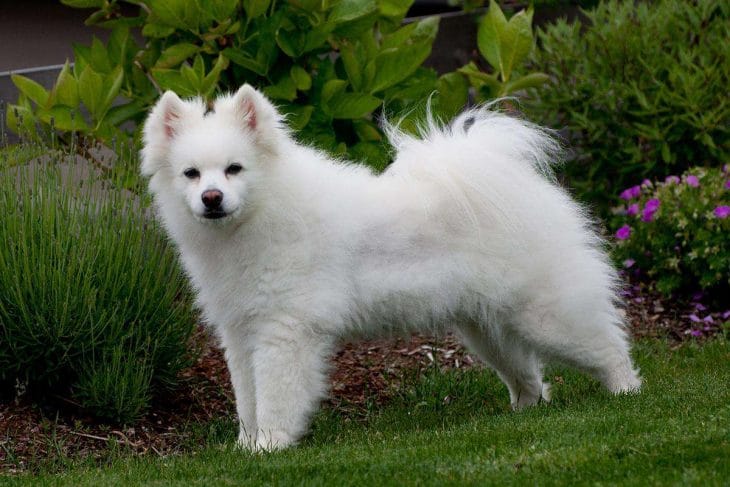
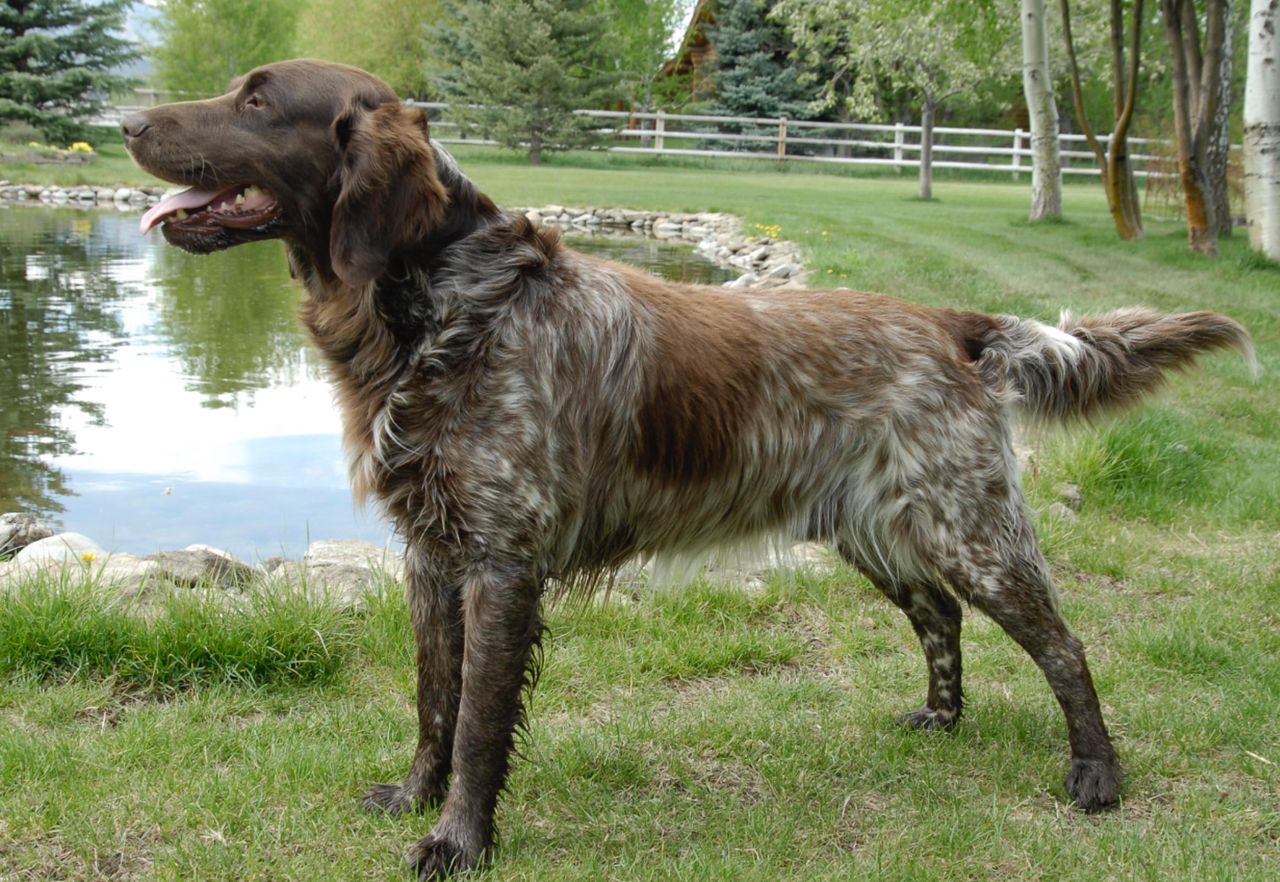
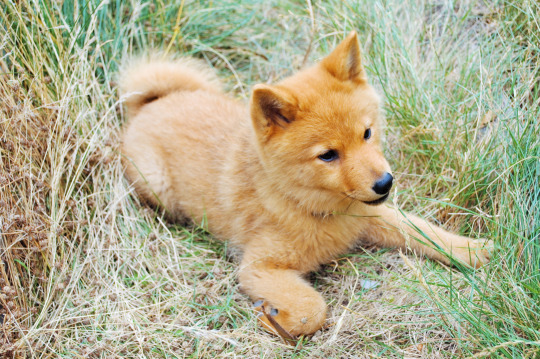
Zerdava are medium-sized spitz-type dogs with a compact, athletic body. They possess triangular, upright ears and a curved tail. Their double coat is always either solid liver brown or a combination of liver and white, such as liver and white-ticked, piebald, ticked, or liver roan. The brown color is described as marten-like, which is a characteristic that has contributed to the breed's unique appearance and name. At birth, Zerdava are often nearly black in color, with their white sections being without ticking. They have brown noses and yellow-brown eyes. Their sickle-shaped tails are usually white-tipped, and any brown spots will be the same shade of brown as the rest of their body. The coat's texture and coloration are indicative of the breed's adaptation to the rugged terrain and diverse climate of the Eastern Black Sea region.
The breed's appearance is indicative of its hunting heritage, with a robust build and a coat that provides protection in various weather conditions. This includes a thick undercoat that keeps the dog warm in cold temperatures and a weather-resistant outer coat that sheds seasonally to maintain optimal insulation.
Temperament and Behavior
Zerdava are known for their intelligent, courageous, loyal, energetic, and alert nature. They are hardy and versatile hunters, capable of hunting a variety of game sizes. Zerdava are particularly skilled at treeing small game, stalking large prey silently until cornered, and working in teams to corner jackals, bear, and boar. Their ability to avoid injury while hunting boar, a major pest to corn farmers, is highly prized. The breed's hunting instincts are well-reflected in their natural behavior, which includes a strong sense of direction and a keen sense of smell.
As laikas, Zerdava are devoted to their humans and distrust strangers, earning them the nickname “the Gate Dog” for their excellent watchdog capabilities. Puppies require considerable socialization with people to avoid overly shy or aggressive behavior. The breed often struggles with being rehomed and will try to escape and find their original owner, which highlights the strong bond they form with their human companions.
Starting in 2016, the Turkish Armed Forces has utilized Zerdava for military purposes, highlighting their intelligence and versatility beyond hunting and guarding roles. Their ability to perform tasks such as bomb and narcotic detection, search and rescue, and personnel detention has been instrumental in the development of the breed's modern applications.
Health and Genetics
Zerdava are prized for their excellent health in harsh conditions with minimal care. Like other laika breeds, it is more common for females to go into estrus only once a year. However, the population in Georgia is critically endangered due to frequent inbreeding, which can lead to health issues such as reproductive disorders or skeletal problems.
Owners should be aware of potential health issues that may arise from inbreeding and should consult with a veterinarian for regular health checks and appropriate care. Genetic testing may also be recommended to identify potential health risks and to help inform breeding decisions. The breed's critical endangered status underscores the urgency of these health and genetic concerns.
Size and Weight
Adult Zerdava weigh between 8-20 kg for males and 8-19 kg for females. Males stand at a height of 43-53 cm, while females are slightly shorter at 41-51 cm. The breed's size and weight are consistent with its role as a medium-sized hunting dog, providing the necessary strength and agility for hunting tasks. Their moderate size allows them to navigate diverse terrains and engage in a variety of hunting activities, from small game to large predators.
The breed's moderate size makes it suitable for various living environments, though it requires adequate space for exercise and mental stimulation. Zerdava are active dogs that require regular physical activity to maintain their health and well-being.
Breeder Purpose and Hypoallergenic Flag
The Zerdava is bred for Spitz and Primitive Types, reflecting its hunting and guarding heritage. The breed is not considered hypoallergenic, with a hypoallergenic flag rating of 0. This means that individuals with allergies may experience symptoms when in close proximity to Zerdava. The breed's non-hypoallergenic status is a consideration for potential owners who have allergies or are sensitive to pet dander.
Breeders focus on maintaining the breed's characteristics, including its hunting instincts and protective nature, while ensuring the overall health and well-being of the dogs. This includes careful selection of breeding pairs to promote genetic diversity and reduce the risk of hereditary health issues.
Adaptability and Social Needs
Adaptability and social needs are areas where Zerdava may present challenges. The breed has a rating of None for adaptability, meaning it may not be well-suited for environments that change frequently or require a high degree of adaptability. Zerdava also have a rating of None for affection level, indicating that they may not be overly affectionate towards strangers or in new situations. This is a reflection of their natural distrust of strangers and their protective instincts.
They may require additional socialization to ensure they are comfortable in various social settings. This includes exposure to different people, animals, and environments during their early developmental stages.
Buying a Zerdava: A Practical Checklist
- Research reputable breeders who specialize in Zerdava to ensure the health and temperament of the dogs.
- Be prepared for the breed's high energy level and ensure you can provide adequate exercise and mental stimulation.
- Understand the breed's loyalty and protective nature, and be prepared to invest time in socialization and training.
- Be aware of the breed's potential for being rehomed and its strong bond with its original owner.
- Consider the breed's non-hypoallergenic status if allergies are a concern.
- Prepare for the breed's adaptability challenges and plan for consistent socialization opportunities.
Buying a Zerdava is a commitment to the breed's unique characteristics and needs. Ensuring you are well-prepared and informed will help you provide a loving and suitable home for this remarkable dog. The checklist above serves as a guide to help potential owners understand the responsibilities and considerations involved in bringing a Zerdava into their lives.
Frequently Asked Questions
What is the lifespan of the Zerdava?
The average lifespan of the Zerdava is about 12-16 years. Good nutrition and regular veterinary care support a healthy life.
What is the temperament of the Zerdava?
The Zerdava is known for: Intelligent, Courageous, Loyal, Energetic, Alert. Its energy level is high.
What size and weight is the Zerdava?
It is a large dog, typically around Male: 8-20; Female: 8-19 kg as an adult.
Is the Zerdava easy to care for?
Reliable grooming and shedding ratings are not available. Routine brushing, ear and dental care, and nail trims are still recommended.
Is the Zerdava good with kids and other pets?
Reliable child- and pet-friendliness ratings are not available. Supervised, gradual introductions are recommended.
How much exercise does the Zerdava need?
With a high energy level, it needs walks, play or training matched to its stamina.
Zerdava
Trait Scores
N/A