Origin and History
The Yakutian Laika, known as "Sakha yta" in the Sakha language, is a breed with ancient origins traceable to the Yakutia region of Siberia. Evidence of this breed dates back 12,500 years, with archaeological remains indicating the presence of dog sleds and harnesses alongside dog remains in the Sakha republic. The breed was developed by the native Yakuts for various purposes, including hunting mammals and birds, herding livestock, and pulling sleds.
In the late 18th century, Prince Shirinsky-Shikhmatov conducted geographic studies of the north and published monographs on Laikas, emphasizing their importance to the northern people's way of life. The breed played a crucial role in the survival of the Yakut people, providing them with companionship, utility, and protection in the harsh Siberian climate.
From the 1940s to the 1990s, the Yakutian Laika population declined significantly, reaching a low of 3,000 in 1998 due to factors such as reduced fish catches, collectivization of farming and reindeer herding, and the introduction of disease. However, revival efforts began, and in 2017, the breed was registered with the Russian Kennel Club, the Fédération Cynologique Internationale, and the AKC's Foundation Stock Service. In 2024, the Yakutian Laika was moved to the Miscellaneous Group in AKC, reflecting its unique status as a working dog with a rich cultural heritage.
In 2017, two Yakutian Laikas were cloned to preserve the breed, and in 2020, one of the cloned dogs successfully whelped a litter of 7 puppies. This achievement highlighted the breed's importance and resilience, as well as the significance of genetic diversity and breed conservation efforts.
Breed Characteristics
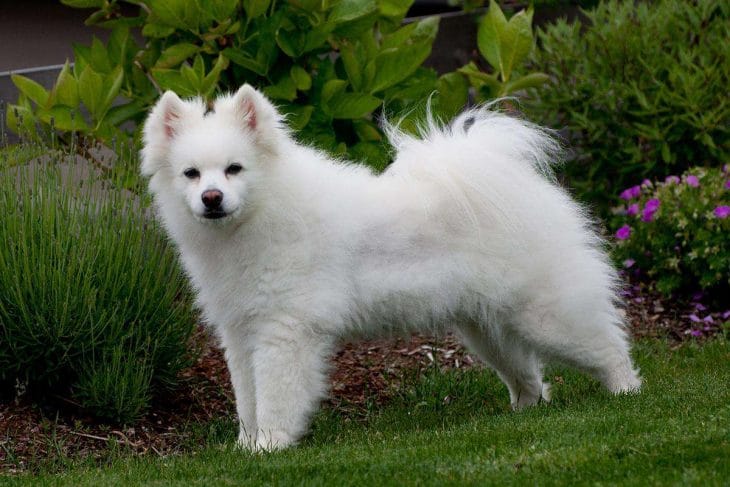
The Yakutian Laika is a medium-sized, strong, and compact Spitz-type sled dog. Males typically weigh between 18-25 kg and stand at 53-60 cm, while females weigh between 16-25 kg and stand at 51-58 cm. Their thick double coat, which can range from white to gray, red, or black and white, and expressive eyes are adaptations to the extreme cold climates of their native Siberia, where temperatures can drop below -40 degrees Celsius.
This breed is known for its versatility, with many lineages capable of herding reindeer, hunting game, and pulling sleds. Their excellent sense of smell, hearing, vision, and strong hunting drive make them effective in these roles. Despite their hunting instincts, they are gentle to humans if properly socialized from a young age, forming strong bonds with their owners.
The Yakutian Laika is energetic, intelligent, loyal, alert, friendly, and courageous. They are tolerant of living conditions and easily endure the harsh climate of northern Siberia, revealing their stamina in the extreme conditions of their homeland. In harsh Siberian conditions, they tend to work in small groups and can work through the whole day, from dawn to sunset, showcasing their endurance and resilience.
Temperament and Behavior
The Yakutian Laika is energetic and intelligent, requiring a substantial amount of mental stimulation and physical exercise. Their friendly nature and courage make them suitable for various environments, as long as they receive adequate socialization and training. They are known to be protective of their families and territory, which can be attributed to their hunting and working backgrounds.
The breed's adaptability to different living conditions and their ability to endure harsh climates make them suitable for various environments, as long as they receive the appropriate level of exercise and mental stimulation.
Breeding and Registration
The Yakutian Laika is a breed with a rich history of working dogs, originally bred by the native Yakuts for practical purposes. Their multipurpose abilities, including herding, hunting, and sledding, have been recognized and appreciated by various kennel clubs and registries. The breed's registration with the Russian Kennel Club, the Fédération Cynologique Internationale, and the AKC's Foundation Stock Service reflects their distinct breed characteristics and working dog heritage.
Registered with the Miscellaneous Group in AKC, the Yakutian Laika is recognized for its unique characteristics as a versatile working dog. The breed's inclusion in this group underscores its role as a sled dog and its ability to perform a variety of tasks in challenging conditions. Cloning efforts in 2017 and the successful whelping of a litter in 2020 demonstrate the commitment to preserving this critically endangered breed and highlight the importance of genetic diversity and breed conservation.
Health and Genetics
While the breed's health has been a concern in the past due to factors such as reduced fish catches, collectivization of farming and reindeer herding, and the introduction of disease, recent efforts to preserve and revitalize the breed have contributed to improved health and genetic diversity. Potential health issues that have been observed in the breed include hip dysplasia, epilepsy, and a condition known as "Laika's Paralysis," which is characterized by a sudden onset of weakness and paralysis in the hind legs.
As with any breed, potential health issues should be discussed with a veterinarian, who can provide guidance on preventive care and early detection of potential problems.
Buying a Yakutian Laika
Here is a checklist to help potential owners make an informed decision:
- Research the breed's history and characteristics to ensure they align with your lifestyle and expectations.
- Seek out reputable breeders who prioritize the health and well-being of their dogs. Look for breeders who participate in health testing and adhere to ethical breeding practices.
- Ask about the dog's health history, including any known genetic conditions or breed-specific concerns. Request to see the results of health clearances for the dog's parents.
- Consider the long-term commitment of owning a Yakutian Laika, including the cost of care and the time required for training and exercise. This breed requires a significant investment of time and resources to ensure their well-being and happiness.
- Visit the puppy's environment to assess their socialization and temperament. A well-socialized Yakutian Laika should be comfortable around people and other dogs.
- Ask about the breeder's support and resources for new owners. A reputable breeder should be willing to provide guidance and assistance throughout the dog's life.
Buying a Yakutian Laika is not just a purchase but a commitment to the breed's future and the individual dog's well-being.
Frequently Asked Questions
What is the lifespan of the Yakutian Laika?
The average lifespan of the Yakutian Laika is about 10-12 years. Good nutrition and regular veterinary care support a healthy life.
What is the temperament of the Yakutian Laika?
The Yakutian Laika is known for: Energetic, Intelligent, Loyal, Alert, Friendly, Courageous. Its energy level is high.
What size and weight is the Yakutian Laika?
It is a large dog, typically around Male: 18-25; Female: 16-25 kg as an adult.
Is the Yakutian Laika easy to care for?
Reliable grooming and shedding ratings are not available. Routine brushing, ear and dental care, and nail trims are still recommended.
Is the Yakutian Laika good with kids and other pets?
Reliable child- and pet-friendliness ratings are not available. Supervised, gradual introductions are recommended.
How much exercise does the Yakutian Laika need?
With a high energy level, it needs walks, play or training matched to its stamina.
Yakutian Laika
Trait Scores
N/A