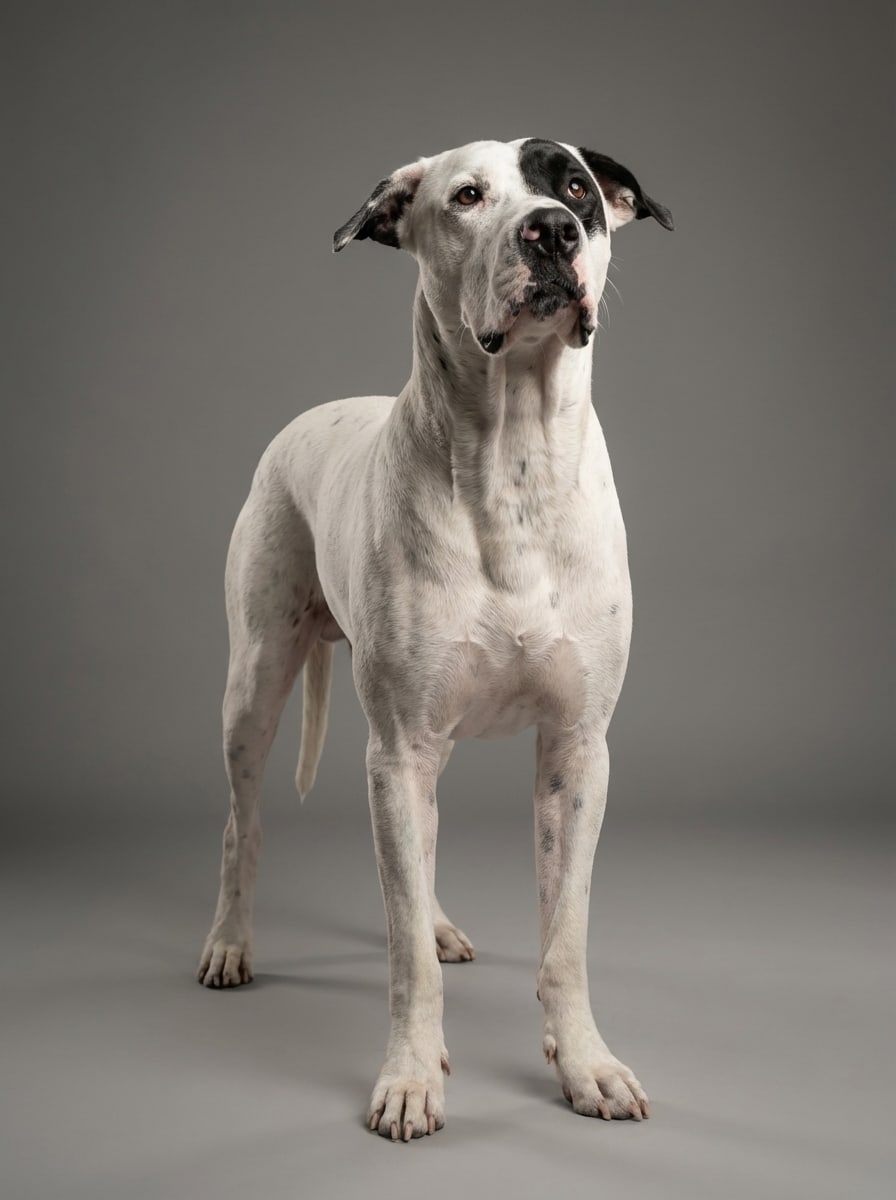
Origin and History
The White Swiss Shepherd Dog, also known as the Berger Blanc Suisse, is a breed that originated in Switzerland, with its roots tracing back to North American White Shepherds. These dogs are descendants of white-colored purebred German Shepherds. The breed was recognized in Switzerland in June 1991, marking the beginning of its formal recognition. In 2002, the Fédération Cynologique Internationale provisionally recognized the breed, and it was definitively accepted in 2011. The British Kennel Club followed suit, recognizing the breed in 2017.
The first White Swiss Shepherd Dog, named Lobo, was born on March 5, 1966, in the United States. Lobo was one of the first dogs imported to Switzerland from North America, alongside others from Canada and the United States, starting from the early 1970s. This importation was significant in establishing the breed's presence in Switzerland.
Physical Characteristics
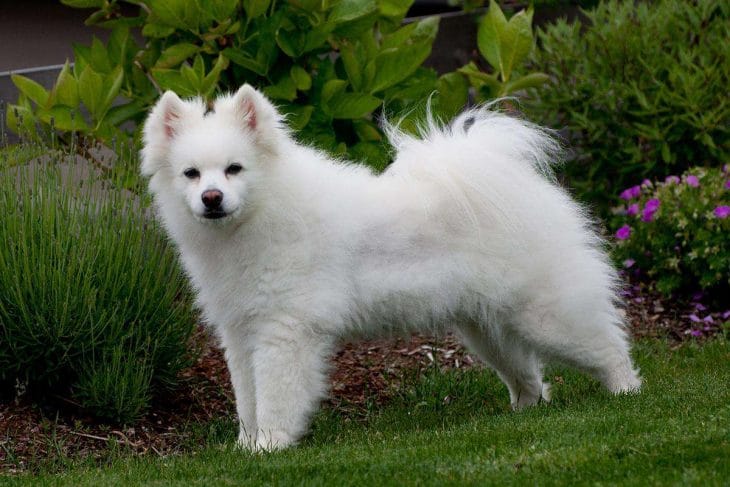
The White Swiss Shepherd is a medium to large-sized dog, with males weighing between 30-40 kg (66-88 lbs) and females between 25-35 kg (55-77 lbs). Their height at the withers ranges from 58-66 cm (23-26 inches) for males and 53-61 cm (21-24 inches) for females. The breed's striking white double coat is always white, with a dark skin undercoat, and is preferred to be as white as possible. The eyes are almond-shaped and can range from light to dark brown, while the ears are erect, forward-pointing, triangular, and slightly rounded at the tips. This physical description is consistent with the breed standard set by kennel clubs worldwide.
Two types of coat are seen in the White Swiss Shepherd: medium-length and long. The medium-length coat is shorter and lies close to the body, while the long coat is more profuse and can be slightly wavy. This breed is known for its elegant lines, straight back, and an attentive, intelligent expression, which are reminiscent of its German Shepherd heritage and contribute to its versatility in various roles.
Temperament and Traits
The White Swiss Shepherd Dog is known for its intelligence, loyalty, alertness, confidence, gentleness, and devotion. Their high intelligence and trainability make them highly beneficial for tasks that require a keen mind, such as herding, which is their original purpose. This breed's temperament is well-suited for both work and companionship, as they are friendly and adaptable to various living situations.
These dogs are also known for their protective nature, which is a trait inherited from their herding background. They are capable of forming strong bonds with their families and can be reserved with strangers, making them excellent guard dogs.
Breeder Purpose and Working Abilities
The primary purpose of breeding White Swiss Shepherd Dogs is for herding. Despite the fact that registration is not subject to a working trial, their natural instincts are well-suited for tasks such as rounding up livestock or guiding children. Their strong work ethic and ability to learn quickly make them valuable in agricultural settings and as service dogs.
Additionally, their versatility extends to search and rescue, police work, and therapy roles.
Health Considerations
Specific health conditions that can affect the White Swiss Shepherd Dog include hip dysplasia, which can cause lameness or difficulty in movement, and elbow dysplasia, which can lead to pain and arthritis in the elbows. These conditions are particularly concerning due to their impact on the dog's mobility and overall quality of life.
Other health issues that may be observed include von Willebrand's disease, a bleeding disorder, and progressive retinal atrophy, a degenerative eye disease.
Genetic testing is available for some of these conditions, and responsible breeders often use this to screen potential breeding stock, reducing the incidence of these health issues in the population.
Lifespan and Care
The White Swiss Shepherd Dog typically has a lifespan of 12-14 years, which is considered average for a large breed. Their moderate energy level requires daily exercise to keep them physically and mentally fit.
The double coat of the White Swiss Shepherd sheds year-round, with heavier shedding occurring twice a year. Regular brushing helps manage shedding and keeps the coat healthy.
Buying a White Swiss Shepherd Dog
Responsible breeders will typically provide health clearances for potential breeding dogs and may offer a health guarantee for the puppies they sell.
It is also advisable to meet the puppy's parents to assess their temperament and health. Prospective owners should be prepared for the commitment of owning a large breed dog, including the costs associated with proper veterinary care, grooming, and exercise.
Adopting from a shelter or rescue organization is another option, as many White Swiss Shepherd Dogs end up in these facilities due to various reasons. Adopting a dog from a shelter can provide a second chance for a dog in need and often comes with additional support from the rescue organization.
Frequently Asked Questions
What is the lifespan of the White Swiss Shepherd Dog?
The average lifespan of the White Swiss Shepherd Dog is about 12-14 years. Good nutrition and regular veterinary care support a healthy life.
What is the temperament of the White Swiss Shepherd Dog?
The White Swiss Shepherd Dog is known for: Intelligent, Loyal, Alert, Confident, Gentle, Devoted. Its energy level is moderate.
What size and weight is the White Swiss Shepherd Dog?
It is a large dog, typically around Male: 30-40; Female: 25-35 kg as an adult.
Is the White Swiss Shepherd Dog easy to care for?
Reliable grooming and shedding ratings are not available. Routine brushing, ear and dental care, and nail trims are still recommended.
Is the White Swiss Shepherd Dog good with kids and other pets?
Reliable child- and pet-friendliness ratings are not available. Supervised, gradual introductions are recommended.
How much exercise does the White Swiss Shepherd Dog need?
With a moderate energy level, it needs walks, play or training matched to its stamina.
White Swiss Shepherd Dog
Trait Scores
N/A