Origin and Development
The White Shepherd is a variety of the German Shepherd Dog, with its origins tracing back to Germany and Switzerland. This breed was further developed in North America, where it gained popularity and recognition. The first documented white German Shepherd was a dog named "Flocken," born in 1899.
White-coated German Shepherds have been known in Europe since as early as 1882. However, in 1933, the breed standard in Germany was amended, banning white-coated dogs from registration. Despite this, the coloration had gained a following in the United States and Canada, with enthusiasts forming clubs to support the breed.
In 1969, a breed club was formed specifically for white-colored German Shepherds, naming their variety the White Shepherd. This variety is recognized as a separate breed by the United Kennel Club (UKC) and the American White Shepherd Association (AWSA), among other organizations.
Breed Standard and Physical Characteristics
The ideal height for a White Shepherd dog is 25 inches (64 cm) at the withers, while the ideal weight ranges between 75 and 85 pounds (34 and 39 kg) for males. Bitches are ideally 23 inches (58 cm) tall and weigh between 60 and 70 pounds (27 and 32 kg), according to the breed standard of the United Kennel Club.
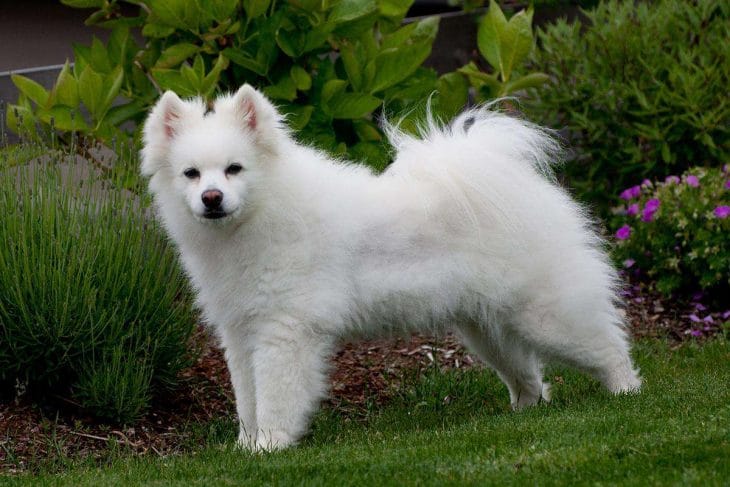
They possess a straight, dense, and weather-resistant double coat, ideally pure white, although light cream or light tan is also acceptable. The coat should be free from any discoloration or patches, and the undercoat is typically soft and thick.
The White Shepherd has a large, athletic build, with a well-proportioned body and a strong, muscular frame. They have a long, sloping back, a deep chest, and a well-defined waist. Their head is strong and dry, with a moderately long, flat skull and a slightly arched brow. The eyes are almond-shaped and dark, and the ears are set high and stand erect.
Temperament and Personality
The White Shepherd is known for its intelligent, loyal, alert, confident, courageous, and gentle temperament. These traits make them versatile and capable working dogs, as well as excellent companions. They are often described as having a noble expression and a keen sense of duty.
Their noble expression and intelligence contribute to their versatility, making them suitable for various roles, including herding, police work, and therapy. They are also known for their trainability and eagerness to please, which makes them ideal for obedience and agility competitions.
However, their alert nature and protective instincts may lead to some barking, especially in response to unfamiliar situations or noises. This can be a challenge for some owners, but proper training and socialization can help manage this behavior.
Health Considerations
White Shepherds, like many large breeds, can be prone to certain health conditions. These can include hip dysplasia, a genetic condition that can lead to lameness or arthritis; degenerative myelopathy, a progressive disease of the spinal cord that can cause weakness and paralysis; and epilepsy, a disorder that can cause seizures.
Other potential health issues may include elbow dysplasia, hypothyroidism, and bloat.
Lifestyle and Care Requirements
Brushing a few times a week is typically sufficient, but during shedding seasons, more frequent brushing may be necessary.
In terms of exercise, White Shepherds are highly energetic and require ample physical activity to stay healthy and happy. Mental stimulation is also important, as these dogs can become bored or destructive if not challenged.
Adaptability and Compatibility
The White Shepherd is adaptable to various living situations, but they do best in homes with active owners who can provide them with the attention and exercise they need. They are not suitable for apartment living or those seeking a low-maintenance pet.
Due to their intelligence and loyalty, White Shepherds can be trained to perform a variety of tasks and are often used in obedience and agility competitions. They are also known for their protective nature, making them excellent guard dogs.
Buying a White Shepherd
The UKC and AWSA are two such organizations that provide breed standards and guidelines for responsible breeding.
Ask about the breeder's health testing protocols and inquire about the health history of the puppy's parents. It is also advisable to meet the puppy's parents to assess their temperament and overall health. Reputable breeders will be transparent about their breeding practices and will provide you with information on the puppy's lineage and potential health risks.
Additionally, factor in the ongoing costs of food, grooming, veterinary care, and training when considering the purchase of a White Shepherd. These costs can vary, but they are generally higher for a purebred dog compared to mixed breeds.
Cost and Longevity
It is generally expected to be in the range of $500 to $1500, but some breeders may charge more for show-quality dogs or those with exceptional pedigrees.
White Shepherds have a life span of 12 to 14 years, making them a long-term commitment for any potential owner. Responsible breeding and proper care can help ensure a healthy and happy life for your White Shepherd.
Frequently Asked Questions
What is the lifespan of the White Shepherd?
The average lifespan of the White Shepherd is about 12-14 years. Good nutrition and regular veterinary care support a healthy life.
What is the temperament of the White Shepherd?
The White Shepherd is known for: Intelligent, Loyal, Alert, Confident, Courageous, Gentle. Its energy level is moderate.
What size and weight is the White Shepherd?
It is a large dog, typically around Male: 35-40; Female: 25-32 kg as an adult.
Is the White Shepherd easy to care for?
Reliable grooming and shedding ratings are not available. Routine brushing, ear and dental care, and nail trims are still recommended.
Is the White Shepherd good with kids and other pets?
Reliable child- and pet-friendliness ratings are not available. Supervised, gradual introductions are recommended.
How much exercise does the White Shepherd need?
With a moderate energy level, it needs walks, play or training matched to its stamina.
White Shepherd
Trait Scores
N/A