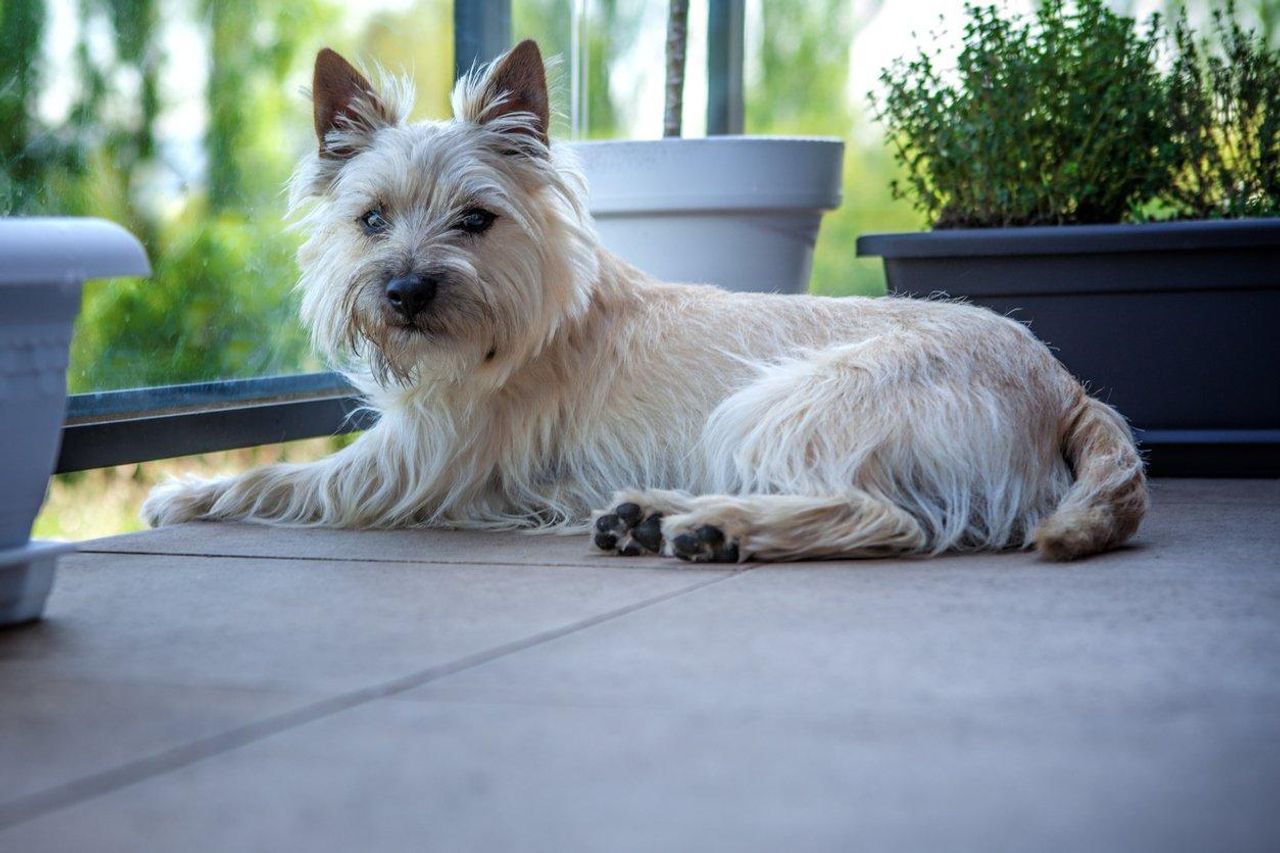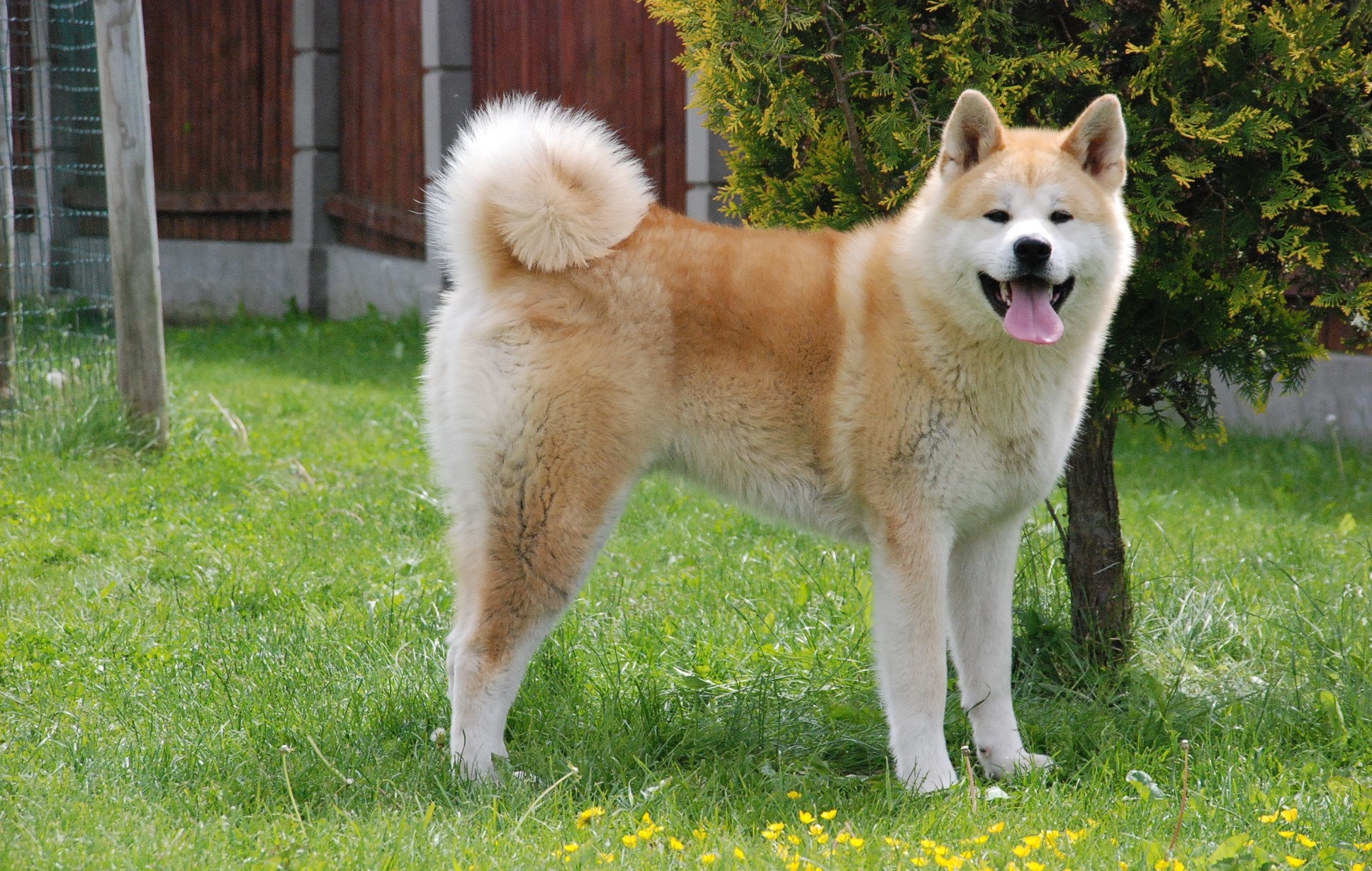
Origin and History
The Whippet originated in England, where it was initially known as "the poor man's racehorse" due to its remarkable speed and agility. Its history can be traced back to the Middle Ages, with evidence of small greyhound-type breeds being used for hunting in ancient Egypt. In the 19th century, Whippet racing gained popularity, particularly in northern England and Wales. The modern Whippet breed was officially recognized by The Kennel Club in 1891, allowing it to compete in dog shows and have pedigrees recorded. This recognition marked the beginning of the breed's rise in popularity, and it was not long before the Whippet was brought to the United States in 1888 by the American Kennel Club (AKC), where it has consistently ranked within the top 60 breeds. The first populations were established in Massachusetts, and the breed has maintained a strong presence in the U. S. dog show circuit. The Whippet's history as a hunting and racing dog has shaped its characteristics, including its sleek, aerodynamic body and high prey drive, which can lead to chasing small animals when not properly trained and socialized.
Notable historical figures who owned Whippets include actress Lillie Langtry, who was known to have a particular affection for the breed. Her influence helped to popularize the Whippet in the late 19th and early 20th centuries. The breed's association with racing and hunting has also made it a favorite among enthusiasts of these sports, contributing to its enduring appeal.
Physical Description
The Whippet is a medium-sized dog with a sleek, aerodynamic body, adapted for speed and agility. Males typically stand at 48 to 56 cm (18.5 to 22.5 in), while females are 46 to 53 cm (18 to 21 in) tall. Their weight ranges from 11 to 18 kg (24 to 40 lbs). The breed has a deep chest for efficient lung capacity, long, slender legs, and a narrow, muscular build. Whippets come in a variety of colors and marking patterns, including black, white, red, fawn, brindle, blue, and cream. The coat is short, smooth, and close-fitting, which is easy to manage but does not provide adequate insulation against cold temperatures. As a result, Whippets may require extra protection, such as a dog jacket, in cooler weather. The distinctive color and marking patterns are a result of the breed's selective breeding for racing and show purposes, with certain colors and patterns being preferred in different regions and show rings.
Whippets have a reputation for having a distinctive "saddle" marking on their back, which is a darkened area that runs from the neck to the base of the tail. This marking is a result of the breed's ancestors being used for hunting and is believed to have helped them blend into the landscape, making them more effective hunters.
Temperament and Behavior
Whippets are known for their gentle, affectionate, and calm temperament. Despite their calm nature indoors, Whippets enjoy outdoor activities, especially short bursts of explosive running that allow them to reach high speeds, which can be attributed to their racing heritage. This energy is balanced by long periods of rest, reflecting their need for recovery. Whippets form strong bonds with their owners and can suffer from separation anxiety, which is a common concern among owners of this breed. They are not prone to excessive barking but will occasionally vocalize in the presence of intruders, making them passable watchdogs. Their gentle demeanor and lack of a guarding instinct make them suitable for households with children or other pets. However, their strong prey drive may lead them to chase small animals, necessitating proper training and socialization.
Whippets are often described as having a "cat-like" personality, with their independent nature and preference for quiet, relaxed environments. This temperament makes them well-suited for apartment living, as long as they receive adequate exercise and mental stimulation.
Speed and Gait
The Whippet is recognized as the fastest dog of its weight class, capable of achieving speeds of up to 56 km/h (35 mph). This is due to their ability to run in a double suspension gallop, where all four legs are off the ground twice during each stride. This distinctive gait, combined with their muscular build, enhances their agility and athleticism, making them highly skilled competitors in racing and field trials. The Whippet's gait is a result of its evolutionary history as a racing dog, where speed and agility were essential for success. This natural ability to run at high speeds is one of the breed's most distinctive characteristics and is a source of pride for many Whippet owners.
Whippet racing has a long history, with the first recorded race taking place in the United States in 1888. The sport has since grown in popularity, with organized races and events taking place across the country. Whippets are also known for their performance in field trials, where their speed, agility, and hunting instincts are put to the test.
Health and Genetic Traits
The Whippet is a generally healthy breed, benefiting from a strong, athletic constitution and being free from many hereditary issues seen in other breeds. However, certain health conditions are more prevalent in the breed, and owners should be aware of these potential issues. Cardiac issues are the second leading cause of mortality in the breed, with mitral valve disease (MVD) being one of the most prevalent heart conditions affecting them. Whippets are also intolerant of barbiturate anaesthetics due to their low body fat concentration and liver's inability to process these anaesthetics efficiently. Genetic eye defects, though rare, have been noted in the breed, and hip dysplasia is considered rare, with only 1.2% of evaluations being determined as dysplastic. A myostatin mutation specific to the Whippet is associated with its athletic performance, with Whippets having two copies of the mutation being referred to as "Bully Whippets" and experiencing no significant health issues beyond those typical of the breed.
The Whippet's genetic makeup can also influence its lifespan, with an average lifespan of around 12 to 15 years.
Training and Care
Whippets are intelligent and respond well to training, making them easy to train. Their minimal grooming needs and low shedding make them a suitable choice for those with allergies. Regular brushing with a soft bristle brush or hound glove can help remove loose fur and keep the coat in good condition. Whippets require socialization from an early age to manage their prey drive and ensure they interact well with other dogs and animals.
In terms of exercise, Whippets require regular, but not excessive, exercise to maintain their health and well-being. A daily walk and a short, fast run or play session are typically sufficient. Owners should be careful to avoid overexertion, as Whippets can be prone to heatstroke and other stress-related health issues. Training sessions should be short and focused, as Whippets can become bored or distracted easily.
Buying a Whippet: What to Consider
- Research reputable breeders to ensure the health and temperament of the puppy.
- Be prepared for the Whippet's need for socialization and training to manage its prey drive.
- Be aware of the Whippet's sensitivity to cold temperatures and ensure it has adequate protection in cooler weather. This may include a dog jacket or additional indoor warmth during cold spells.
- Consider the Whippet's exercise and activity needs, as well as its temperament, when choosing a home environment.
Buying a Whippet is a commitment to its health, well-being, and happiness. By considering these factors, you can ensure a positive experience for both you and your Whippet.
Frequently Asked Questions
What is the lifespan of the Whippet?
The average lifespan of the Whippet is about 12-15 years. Good nutrition and regular veterinary care support a healthy life.
What is the temperament of the Whippet?
The Whippet is known for: Gentle, Affectionate, Calm, Intelligent, Playful. Its energy level is high.
What size and weight is the Whippet?
It is a medium-sized dog, typically around 11-18 kg as an adult.
Is the Whippet easy to care for?
Reliable grooming and shedding ratings are not available. Routine brushing, ear and dental care, and nail trims are still recommended.
Is the Whippet good with kids and other pets?
Reliable child- and pet-friendliness ratings are not available. Supervised, gradual introductions are recommended.
How much exercise does the Whippet need?
With a high energy level, it needs walks, play or training matched to its stamina.
Whippet
Trait Scores
N/A