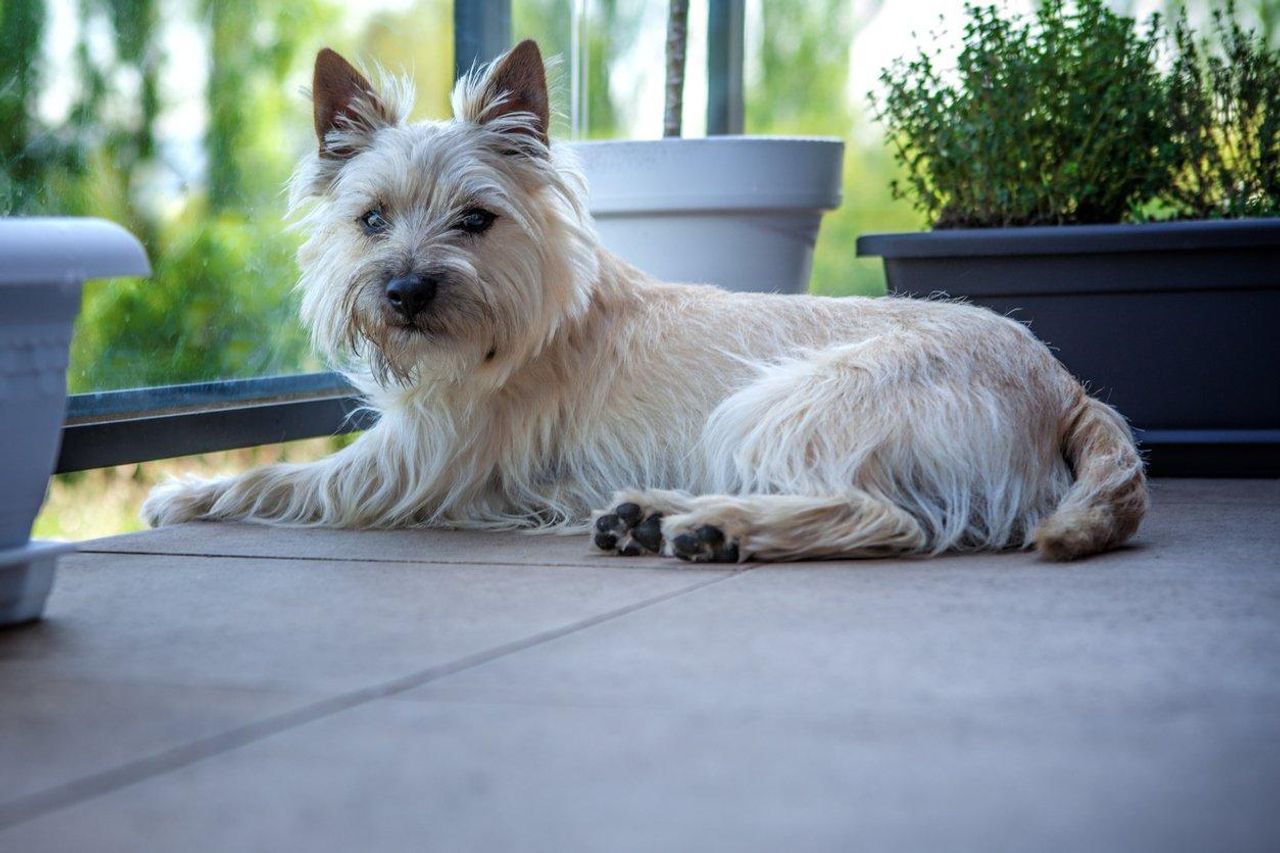
Origin and Development
The Alaskan Klee Kai, a spitz-type dog, originated in Wasilla, Alaska, United States. This breed was developed in the late 20th century by Linda Spurlin, who sought to create a companion-sized dog resembling the larger Alaskan Malamute and Siberian Husky. The name "Klee Kai" translates to "little dog" in the Athabaskan language, reflecting the breed's small size compared to its ancestors.
Spurlin followed her brother's advice to "breed the best, and cull the rest" in order to develop the breed. The original breeding program involved the Alaskan Husky, a small amount of Siberian Husky, a slightly larger amount of American Eskimo Dog, and some Schipperkes. This combination led to the breed's distinctive traits and appearance, which were officially recognized by the United Kennel Club (UKC) in 1995.
Three sizes of the Alaskan Klee Kai were bred: Toy, Miniature, and Standard. The weight range for adults is from 5 to 22 pounds, depending on the size. The original AKKAOA Standards 1993 included specific weight ranges, but subsequent revisions have called only for weight to be proportional to the height of the dog. The UKC Standards for the breed were adopted in 1996, further solidifying the breed's identity.
Breed Characteristics
The Alaskan Klee Kai is known for its energetic and intelligent temperament. This breed is alert, curious, and playful, with a lively and alert personality. However, their intelligence can sometimes lead to stubbornness, which is considered an unwanted trait. This stubbornness can make training sessions challenging, requiring patience and consistent methods.
These dogs are agile and excel at agility training. Despite their small size, they have thick bones and can withstand high jumps. Their small stature also allows for ease and gracefulness in movement during agility training, making them a popular choice in agility competitions.
Physically, the Alaskan Klee Kai comes in three color variations: red and white, black and white, and gray and white. Any solid color may disqualify a dog from show rings and breeding programs, as stated in the breed standard. The color patterns must be clear and well-defined, with the white typically appearing on the face, feet, and tail tip.
Physical Description
The Alaskan Klee Kai is a medium-sized dog with a coat length that is also medium. They possess a striking masked face, erect ears, and a curled tail. Their size ranges from 33-43 cm in height for males and 33-38 cm for females, with corresponding weight ranges of 7-10.4 kg for males and 4.5-8.2 kg for females. The breed standard emphasizes a balanced and proportionate build, with a lean and athletic body.
Their coat can vary in color, but any solid color is not permitted in show rings and breeding programs. The coat should be dense, water-resistant, and of good quality, with a ruff around the neck and a plumed tail.
Temperament and Personality
The Alaskan Klee Kai is a loyal and curious dog, known for its playful nature. This breed is alert and intelligent, making them easy to train. They are often described as having a "big dog" attitude despite their small size, which can be charming and endearing to many owners.
However, due to their energetic nature, they may not be suitable for everyone. Their aloof nature can make them less friendly with strangers, which should be considered when assessing the breed's compatibility with different household settings.
Health Considerations
Despite being a relatively young breed, the Alaskan Klee Kai is prone to certain health issues. Juvenile cataracts, liver disease, factor VII deficiency, and heart problems have been observed in this breed. Thyroid problems are also a concern, with hypothyroidism being more common in the breed.
Early detection and treatment of potential health issues can help ensure the well-being of the Alaskan Klee Kai.
Buying an Alaskan Klee Kai
Look for breeders who prioritize the health and well-being of their dogs and can provide health clearances for potential health issues specific to the breed. The breed is energetic and requires a significant amount of attention and care, so responsible breeders will ensure their puppies are well-socialized and ready for their new homes.
The breed is energetic and requires a significant amount of attention and care.
Additionally, consider whether your lifestyle and living situation are suitable for this breed. They are not well-suited for apartment living or those who prefer a more sedentary lifestyle.
- Reputable breeder with health clearances
- Initial purchase price and ongoing care costs
- Active lifestyle and suitable living environment
Frequently Asked Questions
What is the temperament of the Alaskan Klee Kai?
The Alaskan Klee Kai is known for: Alert, Intelligent, Energetic, Loyal, Curious, Playful. Its energy level is high.
What size and weight is the Alaskan Klee Kai?
It is a medium-sized dog, typically around Male: 7-10.4; Female: 4.5-8.2 kg as an adult.
Is the Alaskan Klee Kai easy to care for?
Reliable grooming and shedding ratings are not available. Routine brushing, ear and dental care, and nail trims are still recommended.
Is the Alaskan Klee Kai good with kids and other pets?
Reliable child- and pet-friendliness ratings are not available. Supervised, gradual introductions are recommended.
How much exercise does the Alaskan Klee Kai need?
With a high energy level, it needs walks, play or training matched to its stamina.
Alaskan Klee Kai
Trait Scores
N/A