Origin and History
The American Eskimo Dog originated in Germany and is a member of the Spitz family. During the First World War, due to anti-German sentiment, the breed was renamed from "German Spitz" to "American Eskimo Dog. " This name change was a response to the political climate of the time and reflects the breed's new identity in the United States. Despite the name change, the breed's standards diverged significantly from its German roots, reflecting the influence of other spitz-type dogs brought to the U. S. by European immigrants.
European immigrants, particularly those from New York, brought their Spitz pets, including the German Spitz, Keeshond, white Pomeranian, and Italian Spitz, to the United States in the early 1900s. The preference for white dogs in the U. S. became evident, and around World War I, dog owners began referring to their pets as American Spitz instead of German Spitz. This preference influenced the breed's appearance and standardization.
After World War I, the breed gained popularity as circus performers, with dogs like Stout's Pal Pierre becoming famous. The circus stage showcased the breed's agility, intelligence, and entertainment value, contributing to the breed's popularity. This popularity led to many of today's American Eskimo Dogs tracing their lineage back to these circus dogs. The breed was first officially recognized as the "American Eskimo" by the American United Kennel Club (UKC) in 1919. The first written record and history of the breed were printed in 1958. The National American Eskimo Dog Association (NAEDA) was founded in 1970 to promote and preserve the breed. In 1995, the American Eskimo Dog was recognized by the American Kennel Club (AKC), further solidifying its status as a recognized breed in the United States.
Breed Characteristics
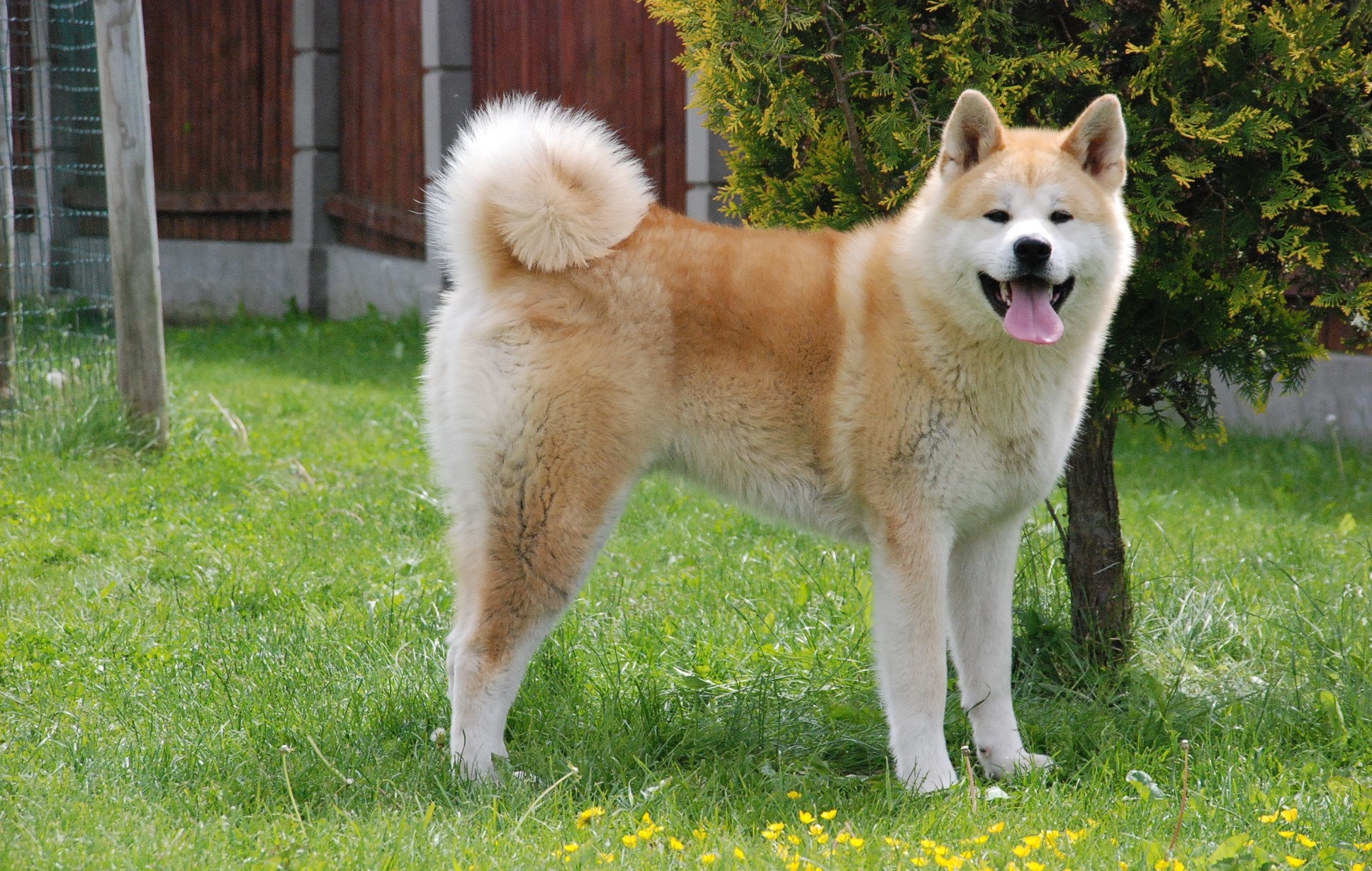
The American Eskimo Dog is a compact spitz-type companion dog with a distinctive dense white double coat. The coat features black points on the lips, nose, and eye rims, a wedge-shaped head, and a plumed tail carried over the back. The breed is available in three sizes: toy, miniature, and standard, each with its own set of physical characteristics.
The toy size stands at 9–12 inches (22–30 cm) and weighs 5–10 lbs (2.27–4.5 kg). This size is ideal for individuals looking for a smaller, more portable companion. The miniature size ranges from 12–15 inches (30–40 cm) and weighs 10–20 lbs (4.5–9 kg). The standard size is larger, with dogs standing between 15–20 inches (38–50 cm) and weighing 15–40 lbs (6.8–18 kg). The standard size is often preferred by families and individuals with more space, as the breed can be quite energetic and requires ample exercise.
The breed is known for its intelligent, alert, friendly, playful, and energetic temperament. They are eager to please and have a high trainability, making them excellent companions for active families and individuals. The compact size and friendly nature of the American Eskimo Dog also make them suitable for apartment living, provided they receive adequate exercise and mental stimulation.
Temperament and Personality
With a temperament tagged as intelligent, alert, friendly, playful, and energetic, the American Eskimo Dog is a lively and sociable breed. Their eagerness to please makes them highly trainable, which is beneficial for both pet owners and dogs. This breed is known for its striking appearance and alert expression, making it an excellent watchdog as well as a loving companion. The alert and intelligent nature of the American Eskimo Dog also means they can be prone to anxiety if not properly trained and socialized.
Despite their energetic nature, American Eskimo Dogs can adapt to various living situations, from apartments to large homes with yards. The breed's high energy levels can lead to destructive behavior if not properly managed, so owners must be prepared to provide ample activities and opportunities for exercise.
Breed Standards and Registration
The American Eskimo Dog has a well-defined breed standard, which includes specific requirements for size, coat, and temperament. The breed was first recognized by the American United Kennel Club (UKC) in 1919, and later by the American Kennel Club (AKC) in 1995. The breed's standard was further solidified with the formation of the American Eskimo Dog Club of America (AEDCA) in 1985, which worked to register the breed with the AKC.
Registration with the AKC requires collecting pedigree information from 1,750 dogs, which form the basis of the recognized breed. This process ensures the breed's genetic integrity and helps maintain the breed's characteristics. The breed was recognized by the Canadian Kennel Club in 2006, and today many American Eskimo Dogs are dual-registered with both American kennel clubs. Dual registration can be beneficial for those who compete in agility or other dog sports, as it allows them to participate in events regulated by both clubs.
The breed standard emphasizes the American Eskimo Dog's distinctive appearance, including its dense white double coat, black points, and alert expression. It also takes into account the breed's intelligence, trainability, and temperament. The standard is designed to ensure that dogs that compete in shows and exhibitions meet the criteria for the breed, which includes maintaining the breed's unique characteristics.
Health Considerations
While the American Eskimo Dog is generally a healthy breed, like all dogs, they can be prone to certain health issues. Responsible breeders and owners should be aware of these conditions to provide the best care for their pets.
Some common health conditions to be aware of include hip dysplasia, which can cause lameness or difficulty in movement. This condition is particularly prevalent in large breed dogs but can affect American Eskimos as well. Skin allergies, which may result in itching and skin irritation, are also a concern for this breed. Allergies can be triggered by a variety of factors, including food, environmental allergens, and fleas.
Cataracts, which can affect vision, are another condition that can occur in American Eskimo Dogs.
Caring for an American Eskimo Dog
Bathing should be done as needed, rather than frequently, to preserve the natural oils in the coat.
Proper socialization from a young age is also important to ensure that American Eskimo Dogs are well-behaved and adaptable to various situations. Early exposure to different people, pets, and environments helps prevent shy or aggressive behavior later in life. Socialization should continue throughout the dog's life to maintain their friendly and sociable nature.
Exercise is another crucial aspect of caring for an American Eskimo Dog.
Buying an American Eskimo Dog: What to Consider
When considering adding an American Eskimo Dog to your family, there are several factors to keep in mind. First, consider the breed's size, which ranges from 9–20 inches (22–50 cm) and weights from 5–40 lbs (2.27–18 kg). The size you choose will depend on your living situation, exercise capabilities, and personal preferences.
Next, consider the breed's energy level and temperament. American Eskimo Dogs are highly energetic and require a significant amount of exercise and mental stimulation. If you lead a busy lifestyle or have limited time for exercise, you may want to consider a different breed.
Be prepared for the grooming needs of an American Eskimo Dog, as their double coat requires regular brushing and occasional baths.
Lastly, consider the cost of owning an American Eskimo Dog, including food, grooming, veterinary care, and other related expenses. Responsible breeders can provide information on the breed's potential health issues and ensure that their dogs are well-socialized and temperamentally sound.
Frequently Asked Questions
What is the temperament of the American Eskimo Dog?
The American Eskimo Dog is known for: Intelligent, Alert, Friendly, Playful, Energetic, Eager to Please. Its energy level is high.
What size and weight is the American Eskimo Dog?
It is a medium-sized dog, typically around 3-16 kg as an adult.
Is the American Eskimo Dog easy to care for?
Reliable grooming and shedding ratings are not available. Routine brushing, ear and dental care, and nail trims are still recommended.
Is the American Eskimo Dog good with kids and other pets?
Reliable child- and pet-friendliness ratings are not available. Supervised, gradual introductions are recommended.
How much exercise does the American Eskimo Dog need?
With a high energy level, it needs walks, play or training matched to its stamina.
American Eskimo Dog
Trait Scores
N/A