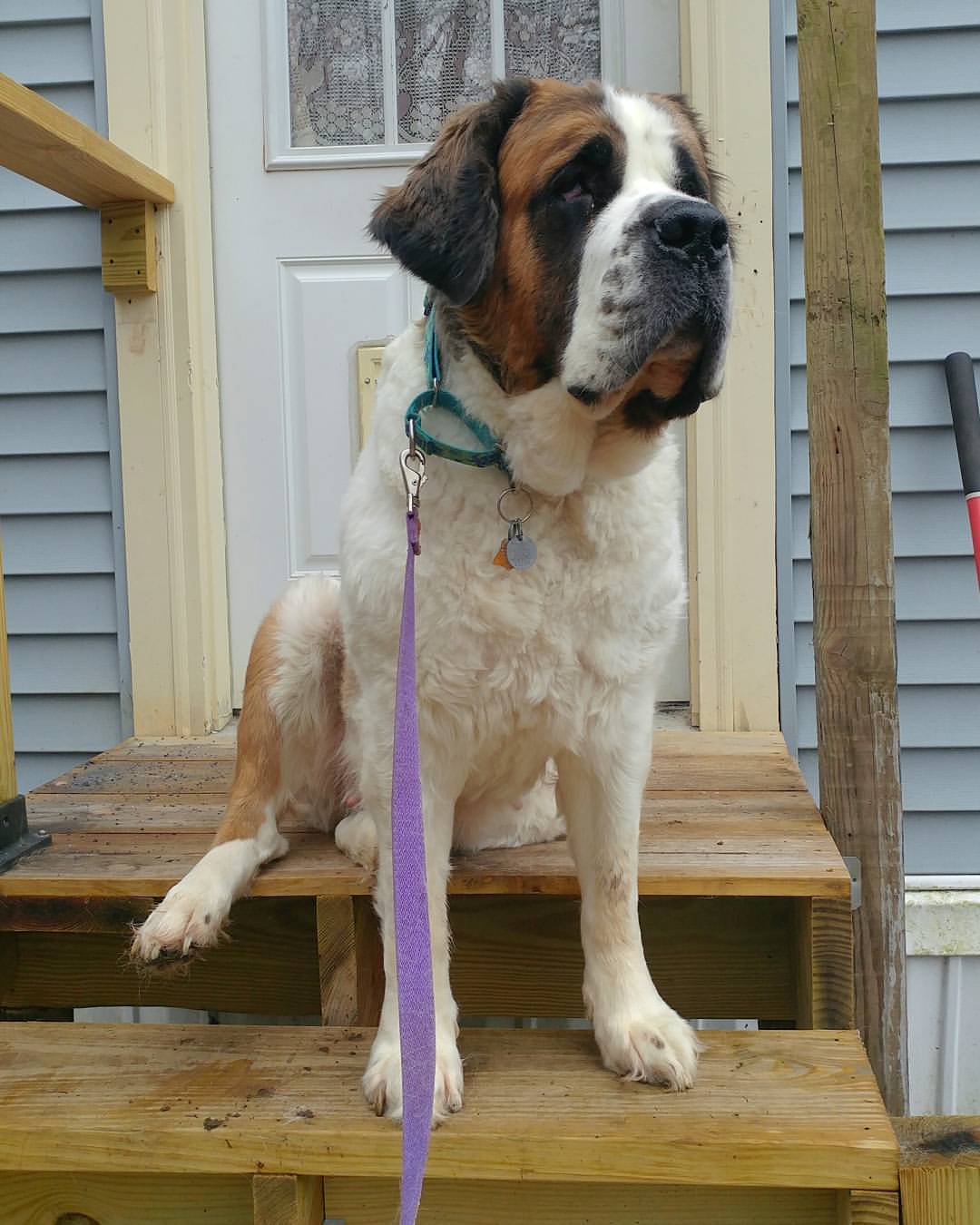
Origin and Breed Standard
The Westphalian Dachsbracke originated in the Westphalia region of Germany, a land known for its dense terrain where the breed was specifically developed for hunting. This breed was first described in 1886 as a variety of the German Hound and was recognized by the Verband für das Deutsche Hundewesen, the German Kennel Club, in 1935 with its current name. It was further acknowledged by the Fédération Cynologique Internationale (FCI) in 1935, designated as breed number 100 in Group 6 (scenthounds), Section 1.3 (small hounds). The Westphalian Dachsbracke is the ancestor to the Swedish scenthound, the Drever, and stands about 30 to 38 cm (12 to 15 in) tall at the withers.
The breed standard for the Westphalian Dachsbracke emphasizes its role as a scent hound, particularly adapted for hunting in dense environments. Its tricolor coat, which often includes red to yellow with a black saddle, is a distinguishing feature, as are its short legs and the presence of Bracken marks – white markings on the muzzle, chest, legs, collar, and tail tip, and a blaze on the head.
Recognized by the United Kennel Club (UKC) in the US as part of its scenthound group, the Westphalian Dachsbracke is a breed that has seen its hunting role mostly replaced by the Drever. However, it may still be recognized by minor registries, rare breed groups, hunting clubs, and online registries, often under its original name or variations thereof. Due to its rarity and the potential for registration discrepancies, potential owners are advised to thoroughly research the background of any dog advertised as a Westphalian Dachsbracke.
Appearance
The Westphalian Dachsbracke is a small, short-legged scenthound that resembles the Deutsche Bracke, but is slightly shorter, differing by approximately 2 cm. The breed has medium-long, drooped ears, a long tail set high and carried upwards, and a short fur coat. Its body structure is designed for agility and stamina, suitable for the demanding work it was bred to perform.
At maturity, the Westphalian Dachsbracke exhibits a tricolor coat that usually features red to yellow colors with a black saddle, and white markings characteristic of the breed, known as Bracken marks. This coat requires moderate grooming to maintain its condition and appearance.
The breed's chest is more narrow than that of the Dachshund, and its legs are longer than what one might expect given its short stature, allowing for efficient movement through dense underbrush.
Temperament and Characteristics
Westphalian Dachsbrackes are known for their alert, intelligent, friendly, and work-focused temperament.
This breed is particularly social and forms strong bonds with their families, making them great family pets. They are also intelligent and highly trainable, responding well to positive reinforcement training methods.
Due to their hunting background, Westphalian Dachsbrackes have a strong prey drive and can be aggressive with smaller animals if not properly socialized. Potential owners should be prepared for the responsibility of managing this behavior and providing consistent training and socialization from a young age.
Size and Weight
The Westphalian Dachsbracke is a breed of medium size, with males weighing between 15 to 18 kilograms (33 to 39 pounds) and females typically weighing 14 to 17 kilograms (30 to 37 pounds). Their height at the withers ranges from 30 to 38 centimeters (12 to 15 inches), which makes them compact and muscular yet agile dogs.
This size and weight range is well-suited to the breed's historical hunting roles, ensuring that they are capable of performing the physically demanding tasks required of them. The breed's physical attributes are a product of selective breeding aimed at producing the ideal scent hound for dense environments.
Lifespan and Health Considerations
With a life expectancy of 10 to 15 years, the Westphalian Dachsbracke is a robust breed that typically maintains good health into their senior years. However, like all dogs, they can be prone to certain health conditions.
Due to their close relation to other Bracke breeds, such as the Deutsche Bracke and the Alpine Dachsbracke, Westphalian Dachsbrackes may inherit certain health issues common to these breeds, though specific conditions can vary. Owners should be vigilant about symptoms such as joint issues, skin allergies, or other hereditary disorders and consult with their veterinarian if they have concerns.
Early detection and management of potential health issues can greatly enhance the quality of life for these dogs.
Hypoallergenic and Maintenance Requirements
Despite the "hypoallergenic" flag being set to 0 for the Westphalian Dachsbracke, they do not produce as much dander as some breeds, making them potentially suitable for those with mild allergies. However, no dog breed is entirely hypoallergenic, and individuals with severe allergies should consult with their healthcare provider before considering a Westphalian Dachsbracke as a pet.
This can be done with a brush specifically designed for short-haired breeds, focusing on areas with more hair, such as the ears and tail. Occasional baths, depending on the dog's activity level and environmental exposure, are also necessary.
This includes daily walks, playtime, and opportunities to use their scenting abilities, which can be provided through activities like hunting tests or Nose Work classes.
Ownership Considerations and Living Environment
Prospective owners should consider the Westphalian Dachsbracke's moderate energy level and social nature when choosing a living environment. This breed is best suited to households that can provide consistent exercise and mental stimulation. While they are adaptable to various home settings, they may not be ideal for very small living spaces, as they require ample room to roam and play.
Given their history as hunting dogs, Westphalian Dachsbrackes respond well to structured training and enjoy having a job to do. This breed is not suited for owners who are unable to provide a structured routine or who do not appreciate an active dog with strong hunting instincts. Potential owners should be prepared to invest time and resources into their dog's training and care.
As a hunting breed, the Westphalian Dachsbracke is also known for their strong prey drive and can be a good match for those who enjoy outdoor activities and can provide controlled environments for their dog to safely exercise and explore.
Practical Buying Checklist and Cost Realism
Be prepared for the cost of proper veterinary care and health screenings. Provide mental stimulation through training, activities, and socialization. Have realistic expectations regarding the breed's energy level and work ethic. Consider the potential costs associated with purchasing a Westphalian Dachsbracke, including registration, food, and other supplies.
Potential owners should be aware that a high-quality Westphalian Dachsbracke may come with a substantial price tag, reflecting the breed's rarity and the dedication required in responsible breeding.
Frequently Asked Questions
What is the lifespan of the Westphalian Dachsbracke?
The average lifespan of the Westphalian Dachsbracke is about 10-15 years. Good nutrition and regular veterinary care support a healthy life.
What is the temperament of the Westphalian Dachsbracke?
The Westphalian Dachsbracke is known for: Alert, Intelligent, Friendly, Work-focused, Loyal. Its energy level is moderate.
What size and weight is the Westphalian Dachsbracke?
It is a large dog, typically around Male: 15-18; Female: 14-17 kg as an adult.
Is the Westphalian Dachsbracke easy to care for?
Reliable grooming and shedding ratings are not available. Routine brushing, ear and dental care, and nail trims are still recommended.
Is the Westphalian Dachsbracke good with kids and other pets?
Reliable child- and pet-friendliness ratings are not available. Supervised, gradual introductions are recommended.
How much exercise does the Westphalian Dachsbracke need?
With a moderate energy level, it needs walks, play or training matched to its stamina.
Westphalian Dachsbracke
Trait Scores
N/A