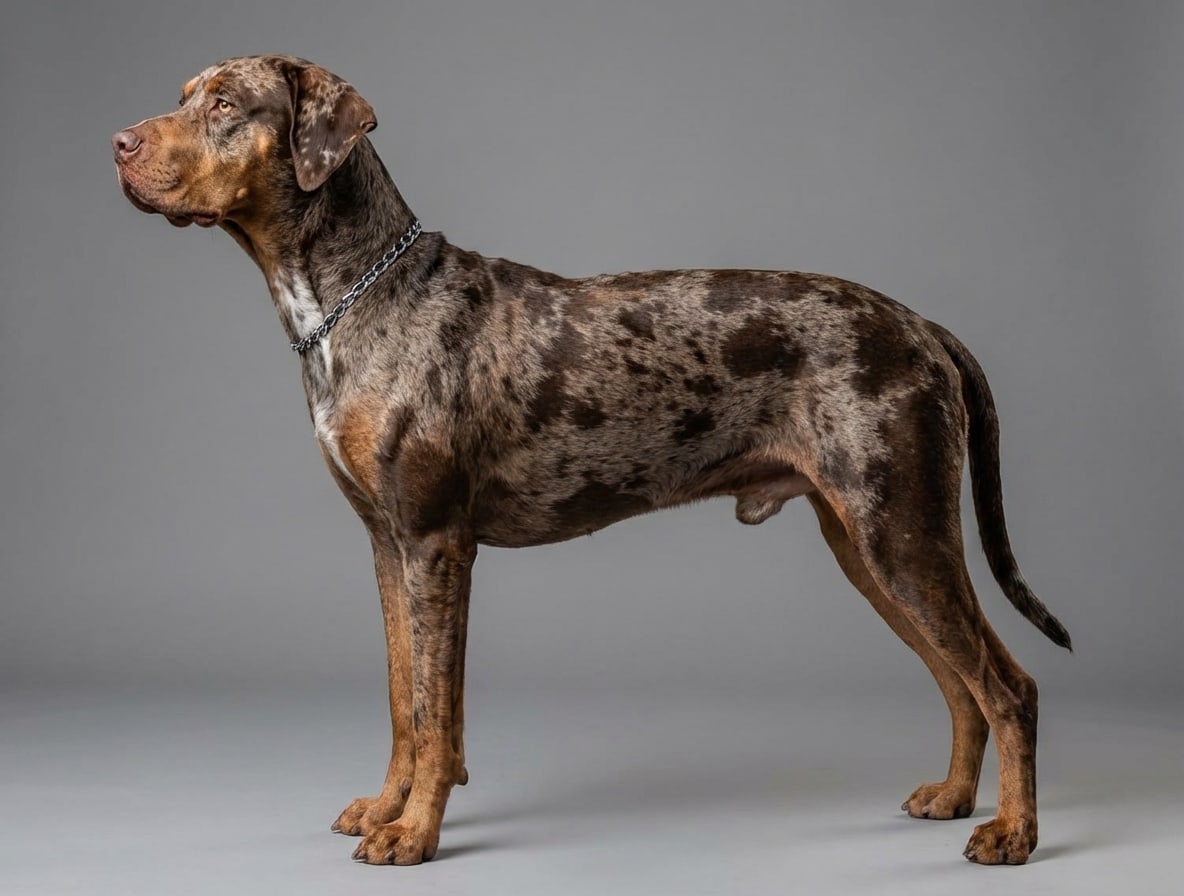
Origin and History
The West Siberian Laika, known as WSL, originates from West Siberia, Russia, where it was initially associated with the Mansi and Khanty people in Ural and West Siberia. The breed's development was spurred by the needs of hunters in the region. Until 1930, there were no specific standards or registrations for the WSL, but systematic breeding with registrations resumed in 1946 after World War II, leading to the breed's modern shape.
The term "Laika" comes from the Russian word "layat," meaning "to bark. " These dogs are bark pointers, known for pointing at game by barking and staying with the animal. They are versatile hunting dogs, but in some parts of the country, they have become more specialized.
In the late 19th and early 20th centuries, deforestation for agriculture and industrialization led to the replacement of Laikas with other popular dogs. Russian experts tried to preserve the hunting Laikas by bringing them from various parts of Russia and breeding them purely. After World War II, four breeds were established as purebreds, with the West Siberian Laika becoming the most popular and numerous Laika breed beyond its original range.
Appearance
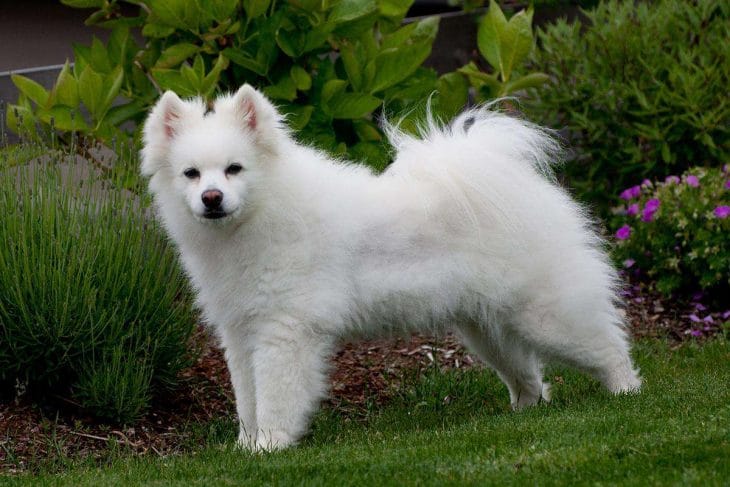
The West Siberian Laika is a medium to large-sized dog, with males typically measuring 56–61 cm and females 51–58 cm at the shoulder. Their appearance is that of a spitz-type hunting dog, resembling their wild ancestor, the wolf.
Their double coat consists of harsh straight guard hairs and a thick, soft undercoat. The guard hairs on the neck, head, and shoulders are particularly long and stiff, forming a ruff framing the dog's face. The tail is carried high and curves over the back, and the body is slightly longer than the height, nearly square.
The coat colors most common are wolf gray, pale red, and white. The gray coat can vary in shades from almost white to very dark gray, nearly black, and may be mixed with red. Dogs with these coat colors may have white patches, and their guard hair exhibits a "zonary" pattern of pigment distribution.
Temperament and Behavior
The West Siberian Laika is affectionate and devoted to its owner, often barking at strangers approaching the house. Their attitude to unfamiliar people varies, with some barking before allowing petting and others being aloof.
This breed is protective of their owner, family, and property. They may accept a new owner with difficulty and need time to adjust to a new environment. Laikas are highly territorial and can be aggressive to intruding dogs of the same sex. Adult Laikas, especially males, should hunt with dogs raised in the same household.
Laikas are intelligent and observant, often able to anticipate their master's intentions. They are not hesitant to express strong feelings through barking and other noises. Their natural protective instinct against wild animals and suspicious or violent strangers makes them good companions for hiking trips.
Health and Genetics
The majority of females of the West Siberian Laika have one estrus per year, usually in February and March. The first estrus can occur as early as one year of age and can be at any time up to two and a half years. The number of puppies per litter varies from one to nine, but litters of three to seven puppies are most frequent.
Laikas that are left alone or penned up can develop a habit of barking without purpose and may attempt to escape their enclosure. Well-exercised Laikas, engaged in hunting, and social interactions are content and obedient, and they do not bark without reason.
Laikas are naturally protective against wild animals, especially predators, and can be protective against suspicious or violent strangers. However, their strong interest in wildlife may lead them to tree animals and stay far behind during hunting trips.
Reproduction and Litter Characteristics
Females of the West Siberian Laika have one estrus per year, usually in February and March. The first estrus can be as early as one year of age and as late as two and a half years. The number of puppies per litter ranges from one to nine, with three to seven puppies being most common.
Females are known to be good mothers and, if conditions permit, will dig their own whelping dens, give birth to puppies, and raise them without assistance. They are highly attentive to their puppies and will provide them with the necessary care and protection.
Laikas that are well-exercised, engaged in hunting, and have regular contact with other dogs, animals, and people tend to be more content and well-behaved. Providing them with the right conditions and activities can lead to a healthy, happy dog.
Utilitarian Qualities and Working Abilities
The West Siberian Laika is primarily a hunting dog, known for its exceptional intelligence and emotional sensitivity to the habits of its master and mood. They are observant and can often anticipate their owner's intentions, expressing strong feelings through barking and other noises.
These dogs are not suitable as kennel dogs and can develop barking habits and escape attempts if left alone or penned up.
Laikas are naturally protective against wild animals, making them effective in reducing human-bear conflicts. They have been used in the U. S. , Canada, and Japan for this purpose. Their interest in wildlife can sometimes lead them to tree animals and stay far behind, so special attention must be given during hunting trips.
Buying Checklist and Considerations
- Look for a dog with a solid health history and no history of aggression or barking without reason.
- Consider the dog's protective nature and potential for aggression towards other dogs, especially of the same sex.
- Make sure your home environment is secure to prevent escape attempts if left alone or penned up.
The West Siberian Laika is a remarkable breed with a rich history and unique qualities. By ensuring the right conditions and commitment, they can be an excellent companion for experienced dog owners with a passion for hunting and outdoor activities.
Frequently Asked Questions
What is the lifespan of the West Siberian Laika?
The average lifespan of the West Siberian Laika is about 12-15 years. Good nutrition and regular veterinary care support a healthy life.
What is the temperament of the West Siberian Laika?
The West Siberian Laika is known for: Alert, Independent, Loyal, Energetic, Intelligent. Its energy level is high.
What size and weight is the West Siberian Laika?
It is a large dog, typically around Male: 16-25; Female: 16-23 kg as an adult.
Is the West Siberian Laika easy to care for?
Reliable grooming and shedding ratings are not available. Routine brushing, ear and dental care, and nail trims are still recommended.
Is the West Siberian Laika good with kids and other pets?
Reliable child- and pet-friendliness ratings are not available. Supervised, gradual introductions are recommended.
How much exercise does the West Siberian Laika need?
With a high energy level, it needs walks, play or training matched to its stamina.
West Siberian Laika
Trait Scores
N/A