Origin and History
The Welsh Terrier, affectionately known as the Welshie, traces its roots back to the 1700s in Wales. This breed was meticulously developed by breeders in the rugged, mountainous regions of northern Wales, where its primary role was to hunt foxes, rodents, and badgers. This harsh environment shaped the Welsh Terrier's robust, terrier-like character and made it one of the oldest dog breeds in the United Kingdom.
Despite its hunting heritage, the Welsh Terrier was relatively late to gain recognition in the show ring. It wasn't until the 19th century that the breed was officially registered. The Welshie has achieved considerable acclaim, winning Best in Show at Crufts, the world's most prestigious dog show, a remarkable four times, with the last victory occurring in 1998.
Today, the Welsh Terrier faces a concerning future. The UK Kennel Club lists it as one of the breeds at risk of extinction, with only approximately 300 puppies registered each year. This stark contrast to the tens of thousands registered for more popular breeds underscores the breed's endangered status.
Appearance
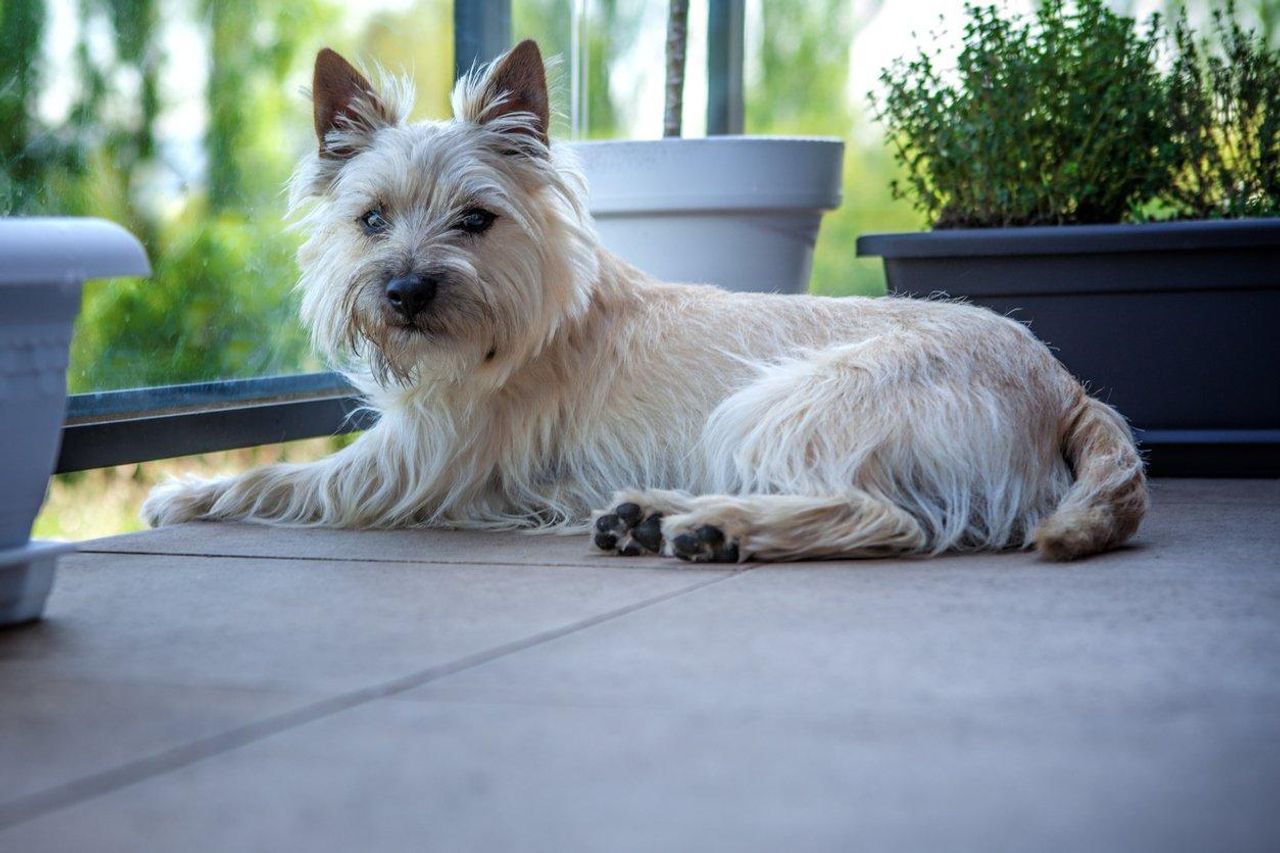
The Welsh Terrier is a robust, medium-sized dog with a height of 38-39 cm (15-15.5 inches) at the withers and an adult weight of 9-10 kg (20-22 pounds). Characterized by a striking tan-colored head, legs, and underbelly, the breed features a black or grizzle saddle. Females may exhibit a simpler, more uniformly dark tan all over.
Their body is rectangular, resembling a "brick-like" face, which is accentuated by whiskers and a beard. Pedigree Welsh Terriers often exhibit a more oval face, with finer bones and a more refined appearance. The tail was traditionally docked, but this practice was prohibited in the UK in 2006.
Welsh Terriers are equipped with a double-layered coat, consisting of an insulating undercoat and an abrasive topcoat that provides protection against dirt, rain, and wind. The coat transitions from mostly black at birth to the standard black and tan grizzle coloration within the first year of life.
Temperament and Behavior
With a typical terrier temperament, Welsh Terriers are known for their happiness, liveliness, and boldness, which is seldom accompanied by shyness or timidity. They are generally friendly with both people and dogs and show no fear in the face of a challenge.
While they may bark excessively, they also take great pleasure in digging, a trait that can sometimes cause issues in certain settings.
Welsh Terriers are excellent companions for children, often playfully tugging at pant legs and displaying a playful nature. Their intelligence necessitates consistent training and reinforcement, as they are prone to making decisions independently.
Health and Genetics
While generally healthy, the Welsh Terrier is predisposed to certain genetic conditions. Primary lens luxation, a condition where the lens of the eye shifts from its normal position, can lead to secondary glaucoma. Onychodystrophy, a disorder affecting nail growth, can result in weak and brittle nails, posing challenges for the breed.
Owners of Welsh Terriers should remain vigilant for signs of these conditions and consult with a veterinarian at the earliest sign of concern.
Exercise and Grooming Needs
Activities such as chasing toys, swimming, and running are particularly enjoyable for them.
Lifestyle and Compatibility
Welsh Terriers are adaptable to both urban and rural lifestyles. Their friendly and confident nature makes them an excellent choice for families, though their high energy levels may be too much for very young children.
Breeding and Registration
Breeding a Welsh Terrier requires a careful consideration of coat and color standards, as well as the breed's genetic health. Coat standards dictate that the dog should have a black and tan grizzle coloration, with a specific ratio of black to tan. Color deviations are not typically accepted, except in certain circumstances, such as merle or brindle shades.
Registration with the UK Kennel Club is a crucial step for breeders, as it ensures the integrity of the breed. The registry keeps track of breed-specific numbers, which, as previously mentioned, are critically low for the Welsh Terrier, indicating a need for careful breeding practices to maintain the breed's future.
Care and Maintenance
Care for the Welsh Terrier involves more than just exercise and grooming.
Training should be a consistent part of the Welsh Terrier's life, not just for basic obedience but also to address any potential behavioral issues that may arise from their independent nature.
Buyer's Guide
When considering the addition of a Welsh Terrier to your home, potential owners should be prepared for the responsibilities that come with owning a high-energy, intelligent, and sometimes stubborn dog.
- Access to a safe, enclosed space for them to exercise, regardless of whether you live in an urban or rural area.
Frequently Asked Questions
What is the lifespan of the Welsh Terrier?
The average lifespan of the Welsh Terrier is about 12-15 years. Good nutrition and regular veterinary care support a healthy life.
What is the temperament of the Welsh Terrier?
The Welsh Terrier is known for: Friendly, Alert, Intelligent, Spirited, Energetic, Confident. Its energy level is high.
What size and weight is the Welsh Terrier?
It is a medium-sized dog, typically around 9-10 kg as an adult.
Is the Welsh Terrier easy to care for?
Reliable grooming and shedding ratings are not available. Routine brushing, ear and dental care, and nail trims are still recommended.
Is the Welsh Terrier good with kids and other pets?
Reliable child- and pet-friendliness ratings are not available. Supervised, gradual introductions are recommended.
How much exercise does the Welsh Terrier need?
With a high energy level, it needs walks, play or training matched to its stamina.
Welsh Terrier
Trait Scores
N/A