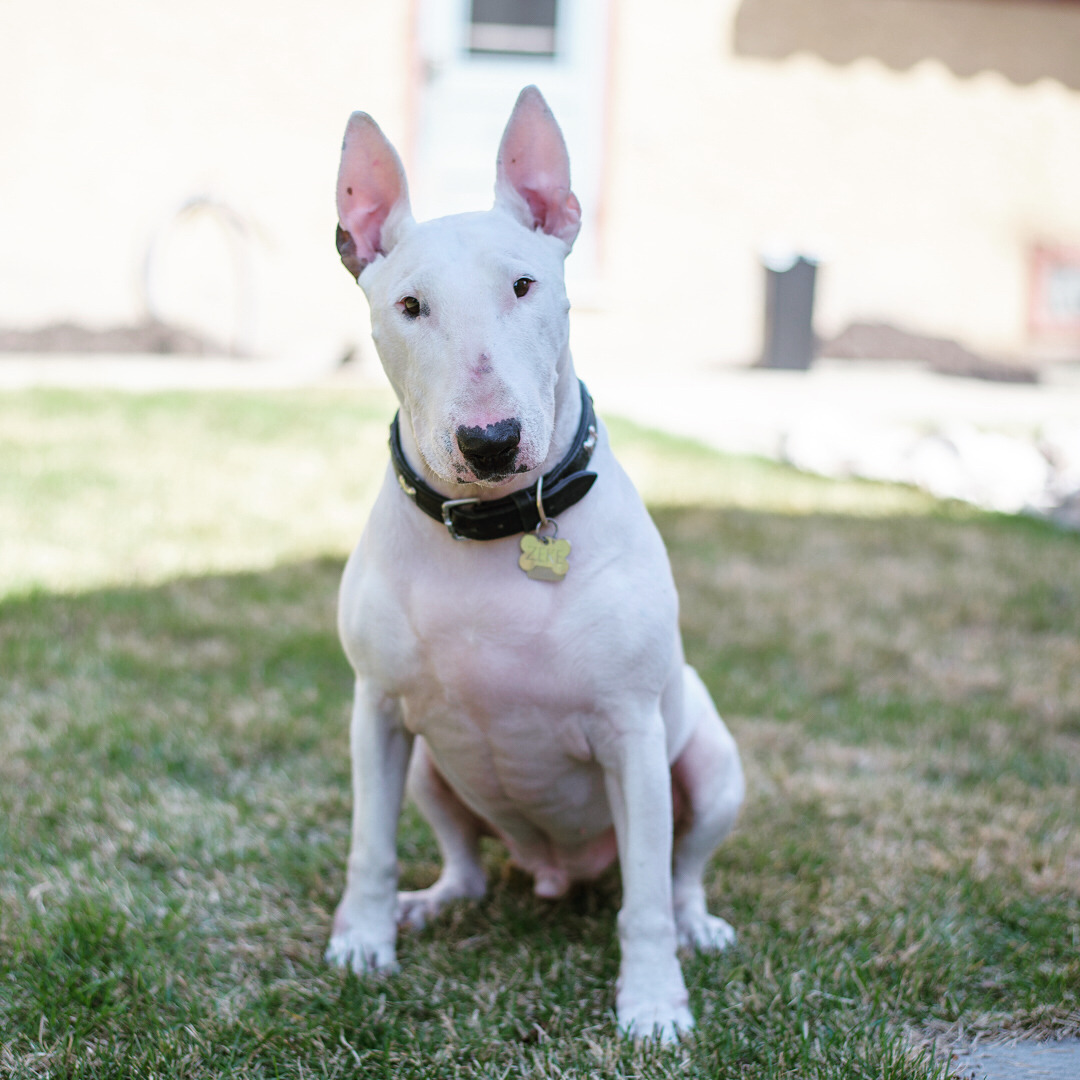
Origin and History
The Welsh Sheepdog, known as Ci Defaid Cymreig in Welsh, hails from Wales and is a medium-sized herding dog. This breed, developed as a traditional landrace working dog, was specifically bred for herding sheep in the rugged Welsh terrain. Over the centuries, Welsh Sheepdogs were instrumental in herding large flocks of sheep and cattle, and they also served as droving dogs to transport livestock to markets. By the 1940s, the breed had become scarce, with only two or three remaining breeds, including the Welsh Sheepdog, Welsh Hillman, and Black-and-Tan Sheepdog, the latter two being on the brink of extinction.
Historically, the Welsh Sheepdog was a common sight throughout the north and central Welsh counties. It was known for its agility and intelligence, often working independently without direct human control. This breed did not adopt the low-to-the-ground herding style seen in Border Collies but maintained a unique herding action that was more variable in type, with weights ranging from 16 kg (35 lb) in North Wales to 18 to 20 kg (40 to 45 lb) in Glamorganshire and Monmouthshire. The breed's versatility was recognized by the Kennel Club of Wales, which first registered the breed in 1924.
In the 2019 film "The Secret Life of Pets 2," a Welsh Sheepdog named Rooster was featured, showcasing the breed's presence in popular culture. Today, the Welsh Sheepdog remains a cherished breed, retaining its herding instincts and working ability, despite the rise of the standardized Border Collie. The breed's registry, the Kennel Club of Wales, continues to promote the breed and ensure its preservation.
Breed Characteristics
Welsh Sheepdogs are medium-sized, agile dogs with a weather-resistant double coat. This coat can be short or fairly long and features colors such as black-and-white, red-and-white, tricolour, and merle markings. Their ears are typically pricked and may be folded at the tip. This breed stands out for its longer legs, broader chest, and wider muzzle compared to the Border Collie. The Welsh Sheepdog is not only physically robust but also mentally alert, requiring much exercise and mental stimulation to thrive.
Size-wise, males weigh between 16-25 kg (35-55 lb) and stand at 43-56 cm (17-22 in), while females weigh between 14-20 kg (30-44 lb) and are 41-53 cm (16-21 in) tall. This size and weight make them suitable for both work and companionship. Despite their working heritage, Welsh Sheepdogs are generally not hypoallergenic, as indicated by a hypoallergenic flag rating of 0.
Temperament and Behavior
Welsh Sheepdogs are known for their intelligent and energetic nature, making them a great choice for individuals who appreciate a dog that can keep up with their active lifestyle. Their independent streak is part of their working heritage, allowing them to work effectively without constant human direction. This independence can also make them somewhat reserved around strangers, contributing to a lower friendliness rating. They are known to be protective of their family and territory.
These dogs are also intelligent and trainable, which is a valuable trait for a breed that requires regular mental stimulation. Their high energy levels require a consistent exercise routine to prevent pent-up energy from manifesting as unwanted behaviors, such as excessive barking or destructiveness.
Lifespan and Health Considerations
The average lifespan of a Welsh Sheepdog is between 12 to 15 years, which is considered to be a moderate lifespan for a dog of this breed. Owners should be aware of potential health concerns such as hip dysplasia, which can lead to mobility issues, and eye conditions such as cataracts. The breed is also susceptible to other conditions, including patellar luxation, which can affect the kneecaps, and von Willebrand's disease, a bleeding disorder.
Welsh Sheepdogs may also be susceptible to other conditions that can affect their overall health, including degenerative myelopathy and epilepsy. Early detection and management of these conditions can help improve the quality of life for these dogs.
Training and Exercise
Welsh Sheepdogs excel in training due to their high intelligence and trainability. They respond well to positive reinforcement methods, and their natural intelligence makes them quick learners. Training should begin early and be consistent, as these dogs can be independent and may challenge authority if not properly socialized and trained. Socialization should include exposure to various people, dogs, and environments to develop a well-rounded temperament.
Exercise is a critical component of a Welsh Sheepdog's care. They require a substantial amount of physical activity to maintain their health and happiness. They also enjoy activities that stimulate their minds, such as agility trials, obedience training, and herding tests.
Companionship and Suitable Living Conditions
Welsh Sheepdogs make excellent companions for individuals and families who are active and can provide them with the exercise and mental stimulation they require. They do best in homes with spacious yards where they can roam and play. Despite their herding background, they can adapt to various living situations, including apartment living, as long as they receive sufficient daily exercise. The breed's adaptability and versatility make them suitable for a wide range of lifestyles.
These dogs are loyal and bond closely with their owners, making them ideal for families or individuals looking for a devoted and protective companion.
Buying a Welsh Sheepdog
- Research reputable breeders who prioritize health and temperament in their breeding programs. Look for breeders who are members of recognized kennel clubs and have a history of producing healthy, well-adjusted dogs.
- Plan for the costs associated with a new dog, including initial purchase price, vaccinations, and routine veterinary care. The average cost of a Welsh Sheepdog can range from $500 to $1000, depending on the breeder and the dog's lineage.
- Ensure you can provide adequate exercise and mental stimulation daily. Welsh Sheepdogs require at least an hour of exercise per day, as well as mental challenges to keep them engaged and happy.
- Be prepared for the responsibilities of training and socialization. Training should start early and continue throughout the dog's life to maintain their intelligence and good behavior.
- Consider the potential health issues that may arise and plan for their management.
Welsh Sheepdogs are a delightful breed that can bring years of joy and companionship to the right home.
Frequently Asked Questions
What is the lifespan of the Welsh Sheepdog?
The average lifespan of the Welsh Sheepdog is about 12-15 years. Good nutrition and regular veterinary care support a healthy life.
What is the temperament of the Welsh Sheepdog?
The Welsh Sheepdog is known for: Intelligent, Energetic, Loyal, Work-focused, Independent. Its energy level is high.
What size and weight is the Welsh Sheepdog?
It is a large dog, typically around Male: 16-25; Female: 14-20 kg as an adult.
Is the Welsh Sheepdog easy to care for?
Reliable grooming and shedding ratings are not available. Routine brushing, ear and dental care, and nail trims are still recommended.
Is the Welsh Sheepdog good with kids and other pets?
Reliable child- and pet-friendliness ratings are not available. Supervised, gradual introductions are recommended.
How much exercise does the Welsh Sheepdog need?
With a high energy level, it needs walks, play or training matched to its stamina.
Welsh Sheepdog
Trait Scores
N/A