Origin and Historical Significance
The Welsh Hound, affectionately known as Bytheiad or Ci Hela Cymreig in Welsh, is an ancient breed that has its roots traced back to medieval times. This breed's origin is steeped in the culture and history of Wales, with its first recorded mention in 1434, when a Welsh Hound was mentioned in a poem by the Welsh poet John Gwydir. The breed has been a vital part of Welsh society, with its value being codified in the ancient laws of Wales. According to these laws, a trained Welsh Hound was worth 240 pence, which is indicative of the breed's significant role in hunting and its deep-rooted place in Welsh culture.
Since 1928, The Welsh Hound Association has been dedicated to maintaining the breed's purity and promoting its distinctiveness. This association was formed in 1902, originally called the Welsh Foxhound Club, and it was instrumental in ensuring that the breed would remain a purebred. The association began keeping the breed's stud book in 1922, which has been meticulously maintained to this day, preserving the Welsh Hound's lineage.
The Welsh Hound was officially recognized by the United Kennel Club (UKC) on January 1, 2006, which provided further validation and recognition for the breed. Despite the abolition of hunting with dogs in Great Britain, the breed has remained popular and continues to be registered by various clubs, emphasizing its enduring relevance as a rare breed pet.
Physical Characteristics
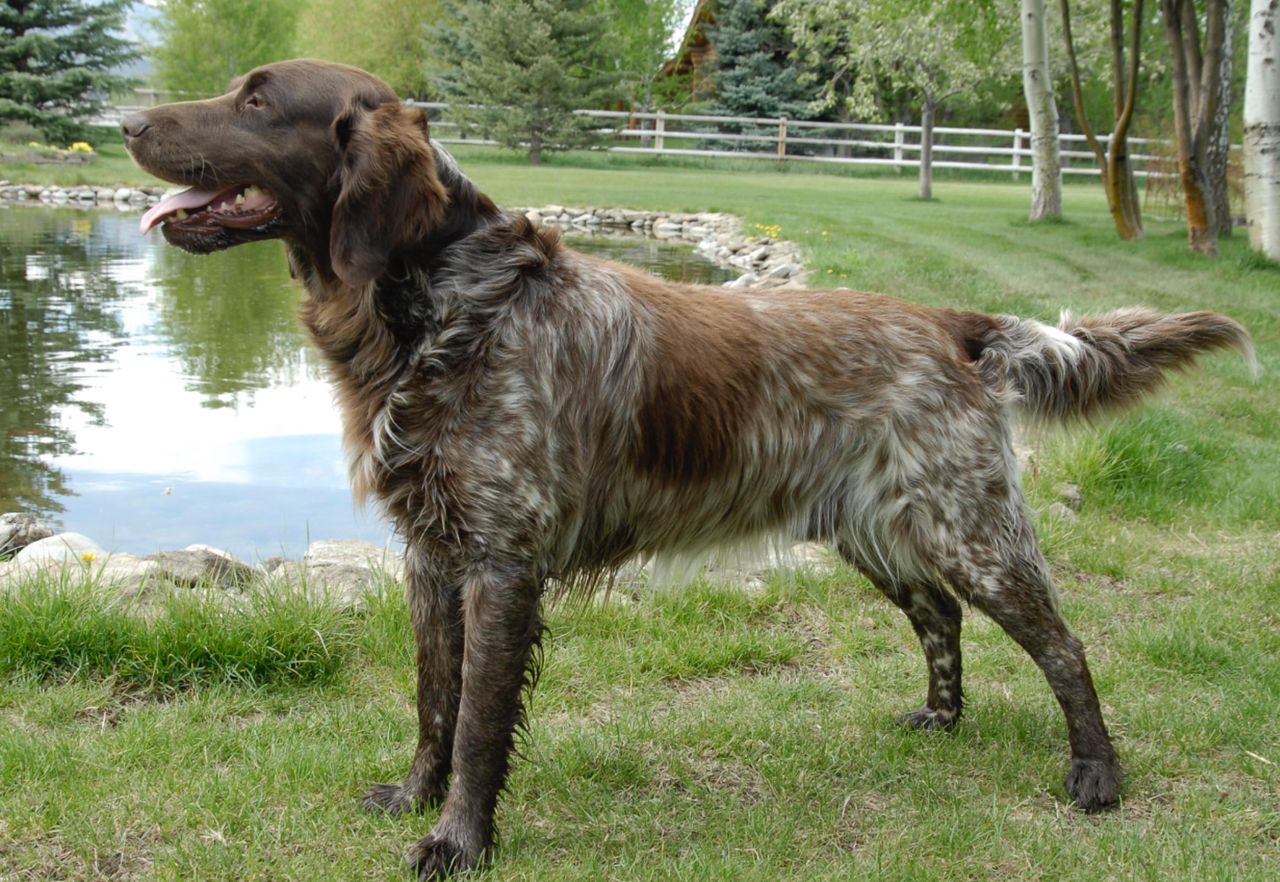
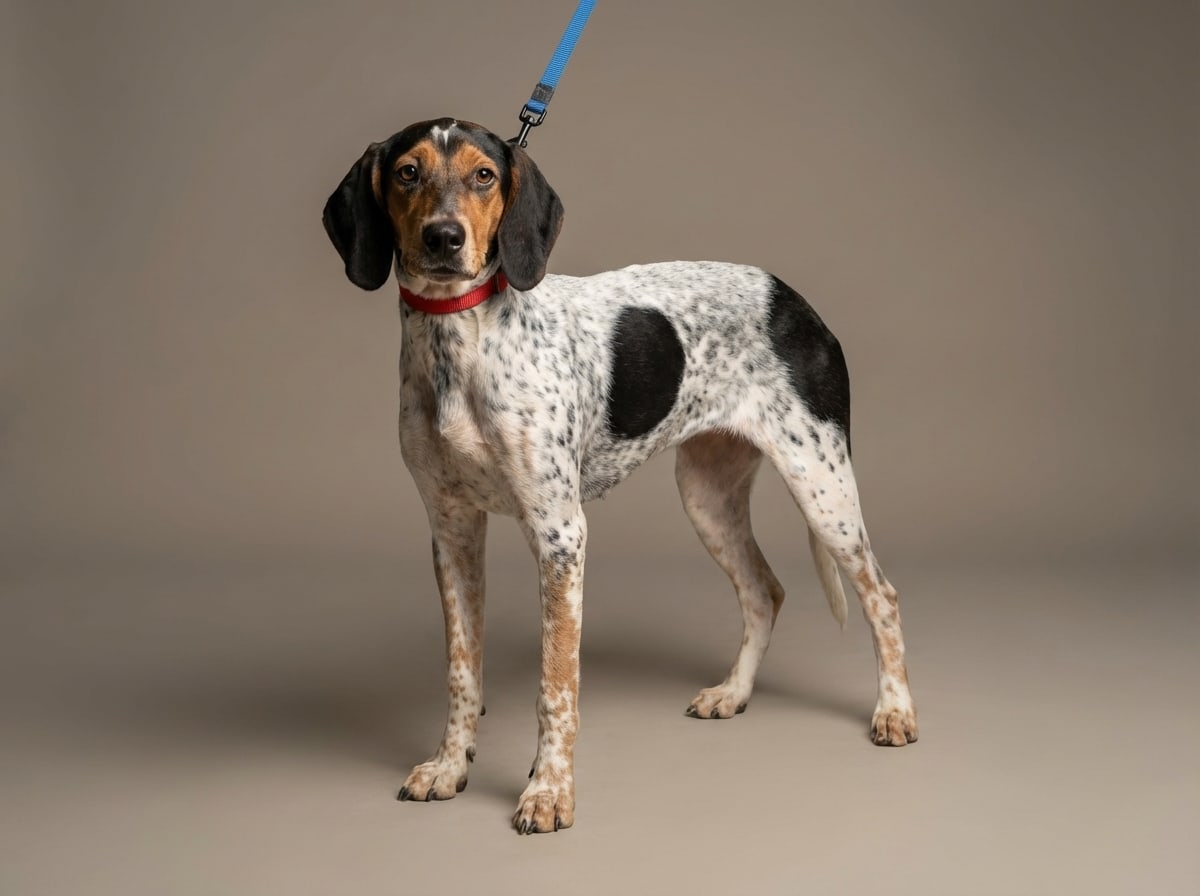
Measuring in at medium to large size, Welsh Hounds weigh between 25-32 kg (55-70 lbs) for males and 23-29 kg (50-64 lbs) for females. The males typically stand at 58-61 cm (23-24 in) and females at 56-58 cm (22-23 in). Their robust build, powerful frame, and athletic structure are perfectly suited for the demands of hunting over the challenging Welsh terrain.
Their coat is characterized by its hard and wiry texture, which provides them with a rugged and weatherproof exterior. The coat is predominantly red with white patches, a trait that has become synonymous with the breed and distinguishes them from the English Foxhound, although both breeds share a similar appearance. The Welsh Hound's medium-length coat is well-adapted to various climates and environments, ensuring comfort and protection regardless of the weather conditions.
Temperament and Behavior
Welsh Hounds are energetic and intelligent, with a strong instinct for pack hunting that dates back to their ancestors' roles in foxhunting. They are known to be alert and loyal companions, excelling in both field work and as family pets. Their independent nature is balanced by their gentle and tolerant disposition, which makes them amenable to living with small children and other pets, thus making them suitable for family homes.
Training a Welsh Hound requires consistency and firm guidance due to their independent mindset. However, their intelligence and loyalty usually lead to a high level of trainability. These dogs communicate effectively with their handlers through a variety of howls and barks, which are integral to the hunt, illustrating the close bond they share with their masters.
Health Considerations
Despite their robust health, Welsh Hounds are prone to certain conditions. Hip dysplasia and glaucoma are two conditions that may affect this breed, often due to their large size and athletic nature.
The breed has a life expectancy of approximately 10-12 years, which is consistent with other medium to large-sized dogs. Owners should be prepared for potential health costs and routine veterinary care that come with owning a Welsh Hound.
Exercise and Grooming Needs
Welsh Hounds require a significant amount of daily exercise to maintain their physical and mental health. They enjoy long walks, hikes, and the opportunity to run free. Their coat requires regular maintenance, typically once every 6-8 weeks, to keep it free from mats and debris. This grooming also helps in preventing skin irritations. Their coat also benefits from occasional baths, particularly after periods of hunting or heavy exercise.
Lifestyle and Compatibility
They adapt well to different living situations as long as they have access to a secure outdoor area for exercise. While they can adapt to apartment living, their high energy levels and need for space make a home with a yard or access to open spaces more suitable. This breed is known to be good with children, provided the children are well-behaved and can provide the necessary supervision and attention.
Welsh Hounds are generally sociable and get along well with other pets, but they may exhibit dominance or protective behavior, especially with dogs of similar size. It's important for owners to provide consistent socialization to ensure good behavior and compatibility within the family and community.
Costs and Responsibilities
The average annual cost of owning a Welsh Hound can range from $1,500 to $2,500, depending on various factors. These include the cost of food, veterinary care, grooming, and potential emergency expenses. Purchasing a Welsh Hound puppy from a reputable breeder can also be an expensive endeavor, with prices ranging from $1,000 to $1,500. Additionally, owners should factor in the cost of pet insurance, as this breed may require routine health checks and treatments to maintain their well-being.
Frequently Asked Questions
What is the lifespan of the Welsh Hound?
The average lifespan of the Welsh Hound is about 10-13 years. Good nutrition and regular veterinary care support a healthy life.
What is the temperament of the Welsh Hound?
The Welsh Hound is known for: Energetic, Intelligent, Independent, Alert, Loyal, Gentle. Its energy level is high.
What size and weight is the Welsh Hound?
It is a large dog, typically around Male: 25-32; Female: 23-29 kg as an adult.
Is the Welsh Hound easy to care for?
Reliable grooming and shedding ratings are not available. Routine brushing, ear and dental care, and nail trims are still recommended.
Is the Welsh Hound good with kids and other pets?
Reliable child- and pet-friendliness ratings are not available. Supervised, gradual introductions are recommended.
How much exercise does the Welsh Hound need?
With a high energy level, it needs walks, play or training matched to its stamina.
Welsh Hound
Trait Scores
N/A