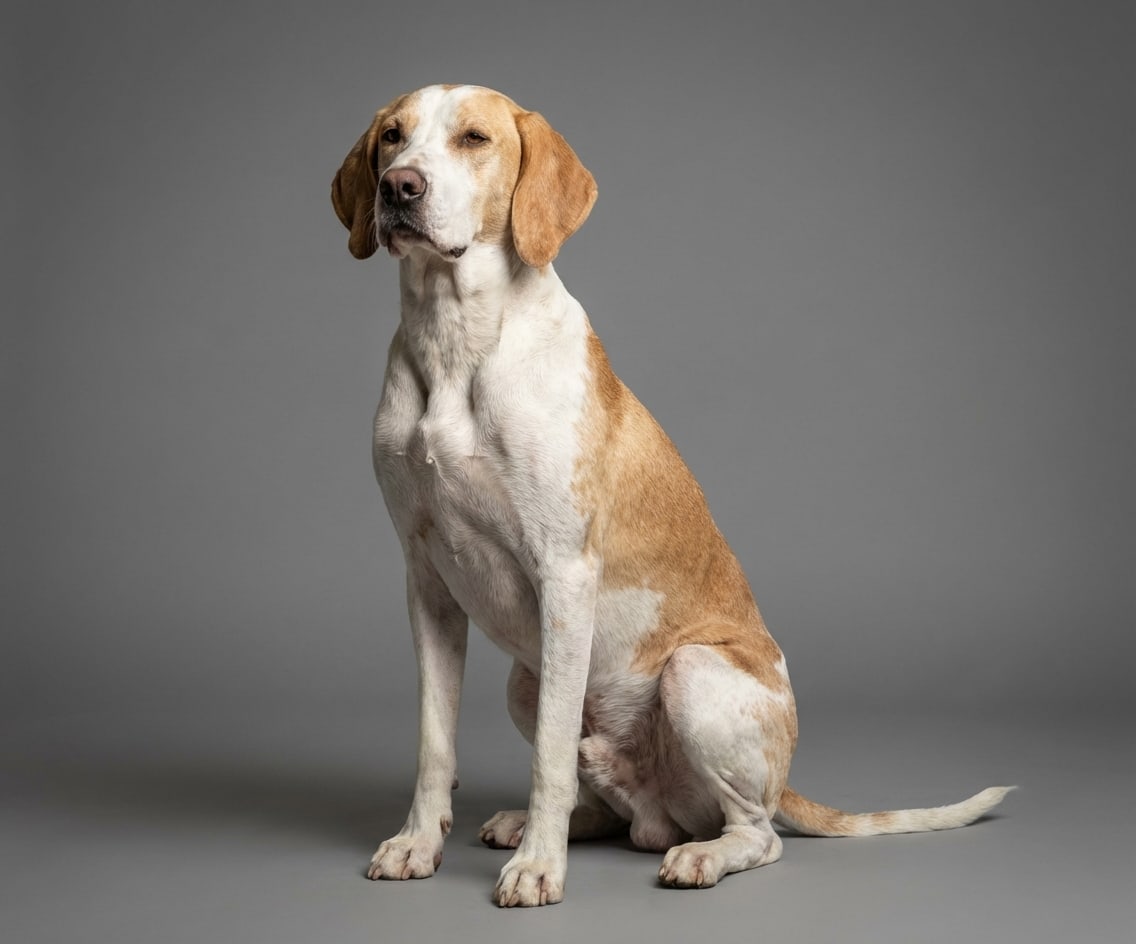
Origin and Development
The Volkosob, a large, powerful wolf-dog hybrid, originated in Perm, Russia. This experimental crossbreed was developed in the 1990s following the fall of the Soviet Union. Russian border guards were the driving force behind this breed, seeking a dog that combined the trainability and pack mentality of the German Shepherd with the strength, superior senses, and cold-resistance of a wild wolf. In 2000, a Caspian Steppe Wolf, known for its friendly and cooperative nature towards humans, was bred with German Shepherds from an East European Shepherd line, leading to the standardization of the F3 generation of Volkosobs.
The breed was specifically designed to excel in the harsh conditions of the vast Russian borders, making it an effective border guardian. Unlike previous hybrids, the Volkosob was notable for its lack of shyness, which made it particularly suitable for such duties.
Whole genome sequencing has shown that admixture between domestic dogs and gray wolves is common, with evidence of widespread gene flow from dogs into wolf populations. The global dog population forms a genetic cluster with little evidence for gene flow from wolves into dogs, suggesting that such deliberate crossings are rare.
Physical Characteristics
The Volkosob is a large breed, with males weighing between 38-48 kg and females between 32-41 kg. Males stand at 64-71 cm tall, while females are 61-66 cm tall.
Genetic research has revealed that wolves with black pelts owe their distinctive coloration to a mutation that entered the wolf population through admixture with domestic dogs. This mutation is also responsible for the black coat color in dogs and was present in dogs 13,000 to 120,000 years ago, with a preferred date of 47,000 years ago.
The physical characteristics of a wolfdog, such as the Volkosob, are not predictable, as they can range from resembling a dog without wolf blood to animals often mistaken for full-blooded wolves. This variability is due to the genetic phenomenon of heterosis, commonly known as hybrid vigor, which can lead to larger offspring when a wolf and a dog are bred.
Temperament and Traits
The Volkosob is known for its intelligent, alert, loyal, and protective nature. This breed is work-focused and confident, making it an excellent choice for those seeking a dedicated working dog. Its temperament is a blend of the German Shepherd's working ability and the wolf's enhanced senses and strength.
While the Volkosob is a large breed with a medium energy level, it is not considered hypoallergenic. It is also not particularly friendly towards strangers, which is a trait inherited from its wolf ancestry. This breed is highly trainable, which is advantageous for its working purposes and for owners seeking a well-behaved pet.
Admixture in the wild usually occurs near human habitations where wolf density is low and dogs are common. However, there have been reported cases of wolfdogs in areas with normal wolf densities, suggesting that the interaction between wolves and dogs is more complex than previously thought.
Health Considerations
While specific health conditions cannot be predicted with certainty, owners should be aware of potential hereditary conditions that may affect this breed.
Genetic research has shown that admixture between domestic dogs and gray wolves can lead to an increase in genetic diseases after several generations of interbreeding. This is a concern for owners of Volkosobs, who should be vigilant about their pet's health and seek veterinary advice if any concerns arise.
Admixture in the wild has been known to lead to abnormal aggression in wolves, which may be attributed to wolf-dog mating. While this is a rare occurrence, owners should be aware of the potential for behavioral issues in their Volkosob and take appropriate measures to ensure the safety of their pet and others.
Breed-Specific Legislation
The Volkosob, like other wolfdogs, has been the subject of controversy and is the focus of breed-specific legislation in many countries. The Humane Society of the United States, the RSPCA, and other organizations consider wolfdogs to be wild animals and unsuitable as pets, supporting an international ban on their private possession, breeding, and sale.
Forty U. S. states effectively forbid the ownership, breeding, and importation of wolfdogs, while others impose some form of regulation upon ownership. In Canada, specific provinces have prohibited wolfdogs as pets. Most European nations have either outlawed the animal entirely or put restrictions on ownership.
Wolfdogs were among the breeds banned from the U. S. Marine Corps base at Camp Pendleton and elsewhere after a fatal dog attack by a pit bull on a child. This incident highlighted the potential risks associated with owning a wolfdog and the need for strict regulations.
Living with a Volkosob
Living with a Volkosob requires a commitment to the breed's unique characteristics and needs. This breed is not recommended for first-time dog owners due to its size, strength, and the potential for behavioral issues. Owners should be experienced with dog handling and willing to invest time and resources into proper training and socialization.
The Volkosob requires a secure living environment, as its size and strength make it capable of escaping if not properly confined.
Given the breed's working nature and protective instincts, a Volkosob may be a good fit for families with older children who understand how to interact safely with a large, powerful dog. However, potential owners should carefully consider the breed's temperament and ensure that they can provide the necessary care and attention to keep their Volkosob healthy and happy.
Buying a Volkosob
When considering the purchase of a Volkosob, potential owners should conduct thorough research to ensure they are fully prepared for the responsibilities involved. Here is a checklist to consider:
- Research the breed thoroughly to understand its characteristics, needs, and potential challenges.
- Seek out reputable breeders who prioritize the health and welfare of their animals.
- Be prepared for the financial commitment associated with owning a large breed, including veterinary care, training, and proper nutrition.
- Ensure that you have a secure living environment that can accommodate the size and energy level of a Volkosob.
- Be aware of the legal restrictions on owning a Volkosob in your area and ensure compliance with local regulations.
Purchasing a Volkosob should be a well-informed decision, with careful consideration given to the breed's specific needs and the responsibilities of pet ownership.
Frequently Asked Questions
What is the lifespan of the Volkosob?
The average lifespan of the Volkosob is about 10-14 years. Good nutrition and regular veterinary care support a healthy life.
What is the temperament of the Volkosob?
The Volkosob is known for: Intelligent, Alert, Loyal, Protective, Work-focused, Confident. Its energy level is moderate.
What size and weight is the Volkosob?
It is a large dog, typically around Male: 38-48; Female: 32-41 kg as an adult.
Is the Volkosob easy to care for?
Reliable grooming and shedding ratings are not available. Routine brushing, ear and dental care, and nail trims are still recommended.
Is the Volkosob good with kids and other pets?
Reliable child- and pet-friendliness ratings are not available. Supervised, gradual introductions are recommended.
How much exercise does the Volkosob need?
With a moderate energy level, it needs walks, play or training matched to its stamina.
Volkosob
Trait Scores
N/A