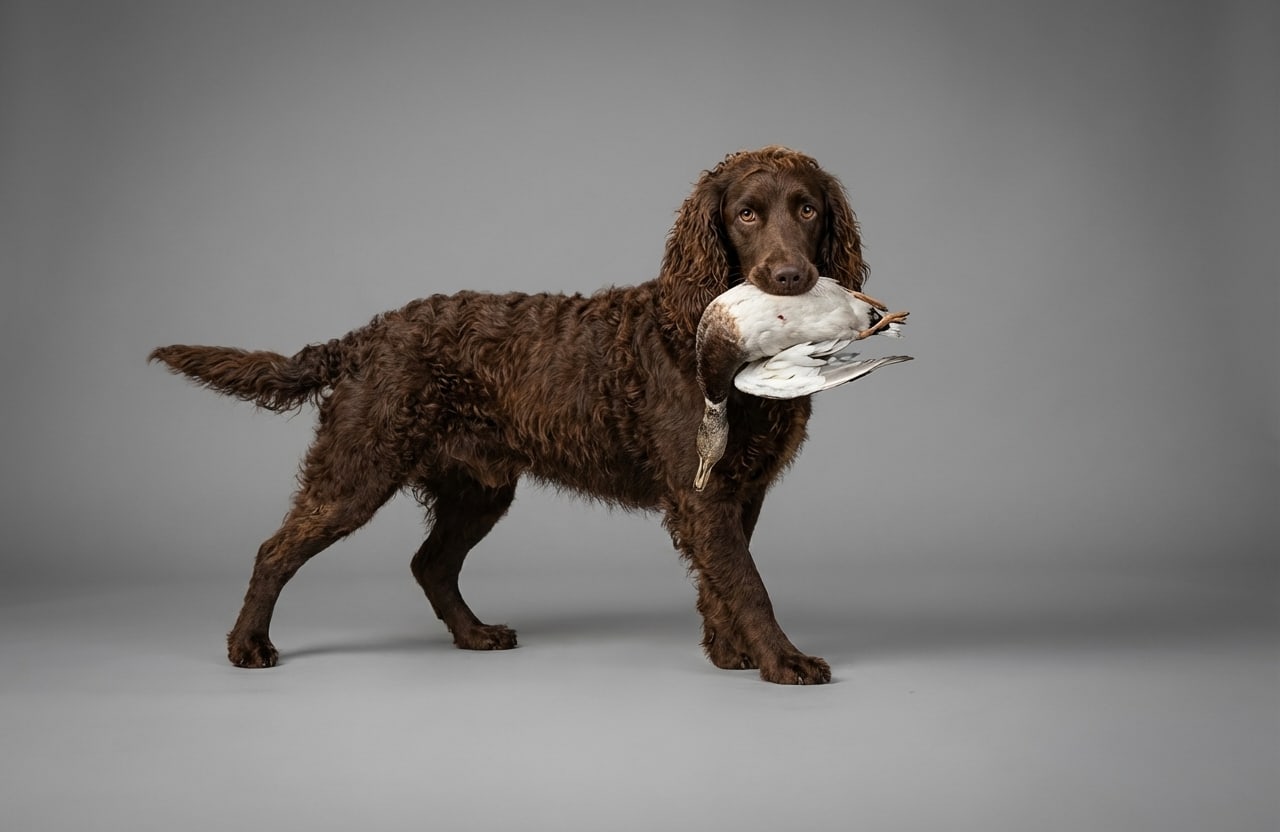
Origin and Group Classification
The Vizsla, a breed of Hungarian origin, belongs to the Fédération Cynologique Internationale (FCI) group 7 (Pointing Dogs), the Canadian Kennel Club (CKC) group 1 (Sporting group), and the American Kennel Club (Sporting group). As a sporting dog, the Vizsla has been used traditionally for hunting fowl and upland game, making it a versatile hunter and companion.
First documented in the Illustrated Vienna Chronicle in 1357, the Vizsla has withstood the test of time, surviving the Turkish occupation, the Hungarian Revolution, World War I, World War II, and the Hungarian People's Republic. Despite facing near-extinction, the breed has persevered and gained prominence once again.
Outside Hungary, Vizslas were commonly bred in Romania, Austria, Slovakia, and Serbia, contributing to the breed's diverse history and development. The breed's popularity in these countries can be attributed to its effectiveness as a hunting dog and its striking appearance.
Physical Description
The Vizsla is a medium-sized dog with a sleek, golden-rust colored coat and an athletic build. Their body structure is robust yet lightly built, with defined muscles. The Vizsla's coat is short, smooth, dense, and close-lying, without a woolly undercoat, making them self-cleaning and requiring minimal grooming. This coat is a result of selective breeding for a dog that could move swiftly through the water and through dense terrain.
It is not uncommon for Vizslas to have a reddish nose that blends with their coat color, while black, brown, light pink, or another colored nose may indicate another breed. The Vizsla's eye and nail color also typically blend with the coat color, which is a characteristic of the breed's coat coloration standard.
Size-wise, males typically range from 56 to 61 cm in height and weigh between 25 to 27 kg, while females are slightly smaller, standing at 53 to 58 cm and weighing 20 to 25 kg.
Temperament and Behavior
Known for their energetic, affectionate, and gentle nature, Vizslas are highly intelligent and athletic. They are bred to be hunters and have a natural ability in tracking, pointing, and retrieving game, both on land and in water. This makes them excellent companions for outdoor enthusiasts and hunters.
However, Vizslas can be sensitive and may be damaged by harsh training methods. They require a balanced approach to training and should be treated with patience and understanding. Positive reinforcement training methods are often recommended for Vizslas to encourage their natural eagerness to please.
Health Considerations
While the Vizsla is considered a robust breed, some heritable illnesses can affect them. These include hip dysplasia, canine epilepsy, cancer (such as mast cell tumors, hemangiosarcoma, and lymphoma), sebaceous adenitis, and progressive retinal atrophy. Lymphoma is more likely to occur in spayed or neutered Vizslas, with a higher risk in those neutered after 12 months of age.
Other health concerns include bleeding-related conditions like hemophilia A and Von Willebrand's disease, which can lead to significant bleeding from minor wounds. Hypothyroidism is also a concern, requiring lifelong medication to support thyroid function. These conditions can have a significant impact on the quality of life for affected Vizslas.
Responsible breeders prioritize the health of the breed and avoid breeding dogs with inherent health issues. The Vizsla Club of America, established in 2000, partners with the American Kennel Club Canine Health Foundation to research and address health-related issues in the Vizsla breed. This partnership has led to advancements in health testing and breeding practices.
Grooming and Care
Due to their short coat, Vizslas require minimal grooming. A quick towel pat-down can dry them fast, and for mud or dirt, letting it dry before brushing makes it easier to remove. Using a velvet brush not only keeps their coat shiny but also helps in removing much of what they shed, as Vizslas shed year-round.
While Vizslas do not have an undercoat, they can develop an aroma after swimming in lakes and streams. A quick bath can eliminate this odor, which is a weaker version of the 'wet dog' smell.
Life Expectancy and Breeding
The Vizsla has a life expectancy of 12 to 14 years, slightly higher than the average for purebreeds. They reach puberty at around 8 to 10 months after birth, but should not be bred during their first heat cycle. The second or third heat cycle is typically when they should be bred, provided they have reached mental and physical maturity.
However, the UK's Kennel Club breed standard permits both a docked tail or a natural tail, accommodating laws in England & Wales and Scotland that outlaw docking for cosmetic reasons but exempt docking in newborn working dogs. This reflects the breed's historical use and the ethical considerations of modern breeding practices.
Popularity and Recognition
With approximately 4,520 Vizsla puppies registered with the Kennel Club of Great Britain each year, the breed is one of the top 50 most popular in the UK. The Vizsla Club of America and the American Kennel Club also recognize the breed, with about 2,500 Vizslas registered in the U. S. annually. This recognition reflects the breed's widespread appeal and its role in dog sports and companionship.
The Vizsla has made its mark in popular culture, with appearances in books, television, and social media. The breed's popularity continues to grow, with more people recognizing the Vizsla's unique combination of grace, intelligence, and affection. This has contributed to the breed's reputation as a beloved companion and a respected competitor in dog sports.
Buying a Vizsla: A Practical Checklist
- Ensure the breeder is reputable and prioritizes the health and well-being of the dogs.
- Ask about the dog's health history and any known genetic issues.
- Consider the dog's energy level and grooming requirements to match your lifestyle.
- Observe the dog's temperament and behavior during your visit to the breeder.
- Understand the costs associated with owning a Vizsla, including veterinary care, grooming, and training.
Frequently Asked Questions
What is the lifespan of the Vizsla?
The average lifespan of the Vizsla is about 12-14 years. Good nutrition and regular veterinary care support a healthy life.
What is the temperament of the Vizsla?
The Vizsla is known for: Energetic, Affectionate, Gentle, Intelligent, Athletic. Its energy level is high.
What size and weight is the Vizsla?
It is a large dog, typically around Male: 25-27; Female: 20-25 kg as an adult.
Is the Vizsla easy to care for?
Reliable grooming and shedding ratings are not available. Routine brushing, ear and dental care, and nail trims are still recommended.
Is the Vizsla good with kids and other pets?
Reliable child- and pet-friendliness ratings are not available. Supervised, gradual introductions are recommended.
How much exercise does the Vizsla need?
With a high energy level, it needs walks, play or training matched to its stamina.
Vizsla
Trait Scores
N/A