Origin and History
The Villano de Las Encartaciones hails from the region of Las Encartaciones in the Basque Country, Spain, specifically from the province of Biscay. This breed has a rich history deeply intertwined with the Monchina breed of mountain cattle, which is native to the same region. The Villano was traditionally used to manage the Monchina cattle, particularly in driving them down from mountain pastures between October and December. The breed was once smaller and played a crucial role in the traditional method of capturing Monchina cattle, working alongside the Alano Español dogs. From the 1960s, breeders began cross-breeding the Villano and Alano Español to create a more effective working dog, leading to the modern Villano. The Club Nacional del Villano de Las Encartaciones was established in 1997 to promote and preserve the breed.
In 2001, the breed was recognized as a traditional Basque breed by government decree. A breed standard was published in the Boletín Oficial del País Vasco in 2003, and in 2005, the Villano was added to the list of dog breeds recognized by the national government of Spain. Despite this recognition, the breed remains endangered, with fewer than 200 dogs registered in the stud-book in 2009. The Villano de Las Encartaciones is one of the most critically endangered breeds in the Basque Country, sharing this status with the Erbi Txakur. The breed's survival is further threatened by the loss of traditional farming practices and the decline in the Monchina cattle population.
Physical Characteristics
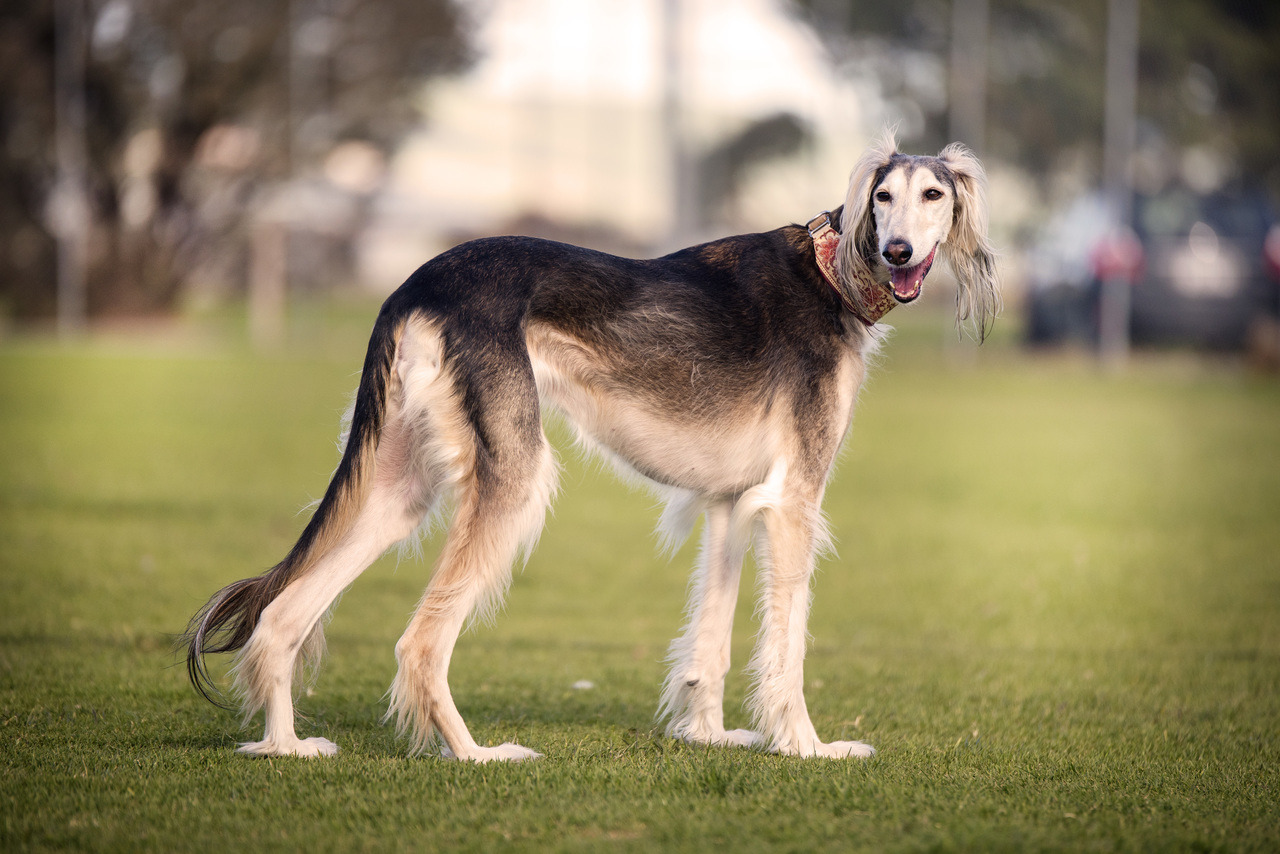
The Villano de Las Encartaciones is a medium-sized, robust dog with a short, dense coat. Males typically stand at 60-65 cm at the withers, while females are slightly shorter at 58-63 cm. The coat is hard, straight, and short, ranging from 1 to 3 cm in length, and forms a dense coat that lies close to the body. The color is predominantly brindled fawn, varying from pale to dark shades. This coat is not only aesthetically pleasing but also practical, providing protection against the harsh weather conditions of the Basque Country.
The breed's physical characteristics are well-suited for its working role. Its robust build and dense coat provide protection against the elements, while its size and strength are ideal for managing cattle and hunting big game. The Villano's short coat also makes it easier to maintain and less prone to matting, which is beneficial for its working environment. The breed's webbed feet are also an adaptation to the terrain, aiding in their agility and stability on rugged ground.
Temperament and Personality
The Villano de Las Encartaciones is known for its loyal, courageous, and protective nature. This breed is intelligent and confident, often displaying an independent streak. Their loyalty and protective instincts also extend to their families, making them reliable companions. The breed's temperament is a result of its working history, where it needed to be alert and responsive to the needs of its flock or property.
The breed's low friendliness rating suggests that it may not be overly outgoing with strangers or other dogs, requiring careful socialization from a young age. Despite its independent nature, the Villano can be highly trainable, making it a suitable choice for owners willing to invest time and effort into training. The breed's temperament is also influenced by its genetic background, with the Alano Español contributing to its protective and alert nature.
Health and Genetic Considerations
The breed's history as a working dog suggests that it may be more susceptible to conditions related to physical exertion, such as joint problems or muscle injuries. Owners should monitor their Villano's activity levels and ensure they have access to proper exercise and rest.
Working Abilities and Uses
The Villano de Las Encartaciones is a versatile working dog, traditionally used for cattle herding, property protection, and big game hunting. Its robust build, intelligence, and loyalty make it an excellent choice for managing the Monchina breed of cattle, particularly in driving them down from mountain pastures. The breed's history as a working dog also makes it suitable for property protection, where its protective instincts and alert nature can be valuable.
In the modern era, the Villano can also serve as a companion dog, although its working background means it may require an active lifestyle and mental stimulation. The Villano's skills are not limited to the field; they can also be trained for search and rescue, agility, and other dog sports.
Breeding and Conservation Efforts
The Villano de Las Encartaciones is a breed in recovery, with efforts being made to preserve its unique characteristics and prevent further decline. The Club Nacional del Villano de Las Encartaciones plays a crucial role in promoting the breed and ensuring its genetic diversity. This includes maintaining a registry of purebred dogs and organizing breeding programs that prioritize the breed's working abilities and health.
The breed's endangered status highlights the importance of conservation efforts. Owners and breeders must be committed to preserving the Villano's heritage and ensuring its future. This includes maintaining the breed's traditional working abilities, as well as addressing any health concerns that may arise. Genetic diversity is also a focus, as it contributes to the breed's resilience and adaptability.
Buying a Villano de Las Encartaciones
Be prepared for the costs associated with owning a Villano, including veterinary care, proper nutrition, and training. The breed's moderate energy level and working background mean it will require an active lifestyle and mental stimulation. Ensure that your home and lifestyle can accommodate the needs of this breed. This includes providing adequate space for exercise and opportunities for mental engagement.
Before finalizing your decision, consider the breed's potential health issues and the time and effort required for training and socialization. Responsible breeders will be transparent about the breed's health and temperament, and they may offer health guarantees or breeding contracts that ensure the well-being of the dogs they produce. Owning a Villano de Las Encartaciones is a commitment to not only the dog but also to the preservation of this unique breed's legacy.
Frequently Asked Questions
What is the lifespan of the Villano de Las Encartaciones?
The average lifespan of the Villano de Las Encartaciones is about 10-12 years. Good nutrition and regular veterinary care support a healthy life.
What is the temperament of the Villano de Las Encartaciones?
The Villano de Las Encartaciones is known for: Loyal, Courageous, Protective, Intelligent, Confident, Independent. Its energy level is moderate.
What size and weight is the Villano de Las Encartaciones?
It is a large dog, typically around Male: 33-45; Female: 28-38 kg as an adult.
Is the Villano de Las Encartaciones easy to care for?
Reliable grooming and shedding ratings are not available. Routine brushing, ear and dental care, and nail trims are still recommended.
Is the Villano de Las Encartaciones good with kids and other pets?
Reliable child- and pet-friendliness ratings are not available. Supervised, gradual introductions are recommended.
How much exercise does the Villano de Las Encartaciones need?
With a moderate energy level, it needs walks, play or training matched to its stamina.
Villano de Las Encartaciones
Trait Scores
N/A