Origin and Historical Background
The Vikhan, a rare breed of livestock guardian dog, originates from the mountainous regions of Punjab and Chitral in Pakistan. This breed has a historical connection with the Chitral region of the Khyber Pakhtunkhwa Province in Pakistan and Himachal Pradesh in India. The name "Vikhan" is derived from the Sanskrit word "vikh," meaning broken, noseless, or hermit. It is believed that the name may have been given due to the breed's solitary nature or the broken, uneven land on which it is found.
Compared to other livestock guardian breeds, the Vikhan is notably lighter framed and built for speed rather than strength. The Vikhan's coat is typically long and is often shorn, with the hair used to create a dark wool. The breed's historical use in the rugged terrain of the region has developed its ability to withstand harsh conditions.
In its native regions, the Vikhan is employed to guard flocks of sheep from predators such as leopards. To protect against the leopard's teeth, the Vikhan is often fitted with a thick iron collar around its neck, a measure that reflects the breed's role in protecting livestock. This practice is an adaptation to the region's specific threat and showcases the Vikhan's historical importance in livestock protection.
Physical Description
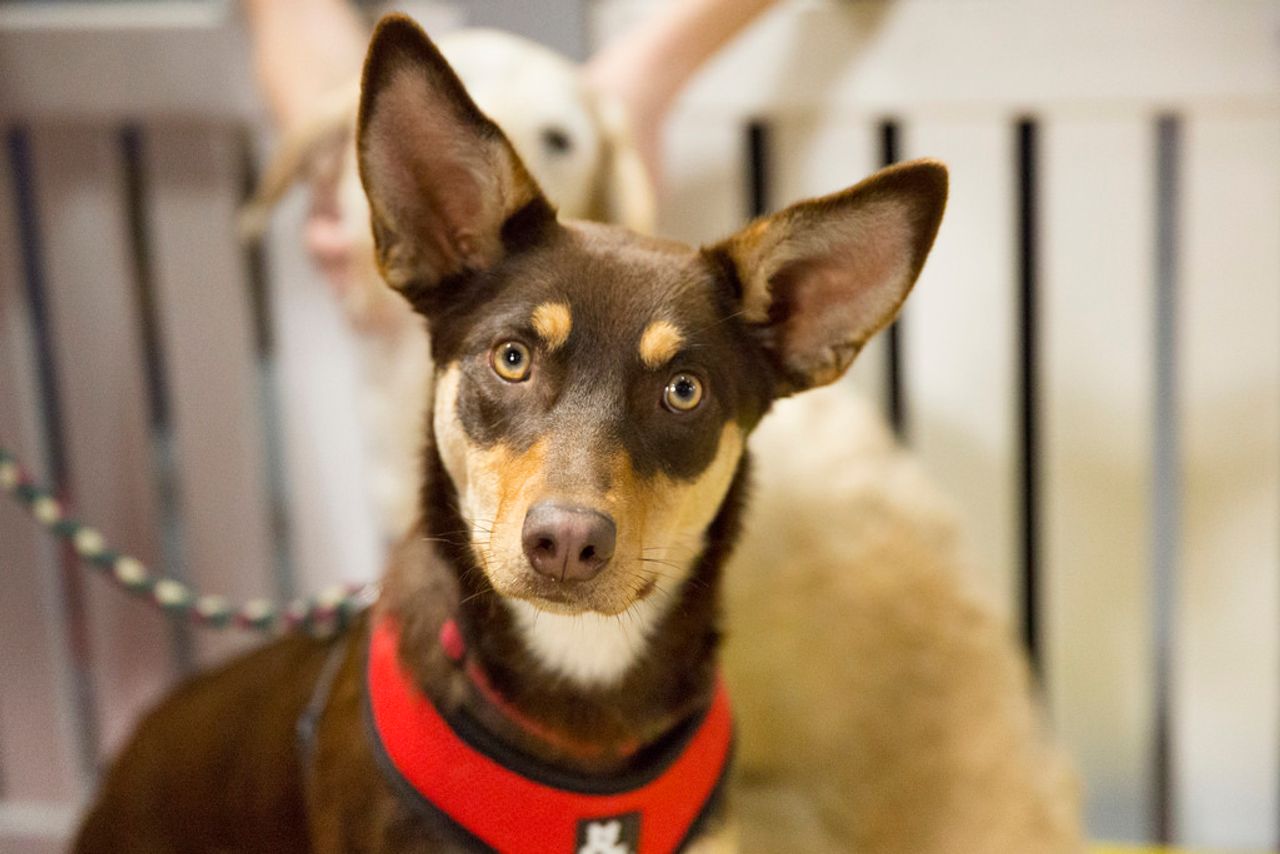
The Vikhan is a medium to large landrace dog, known for its athletic build and wiry coat. This breed typically weighs between 25-35 kg and stands at a height of 56-69 cm at the withers. The coat color can vary, often being black, reddish, or mottled, and the texture is harsh and rough, which helps protect the dog against adverse weather conditions in the high mountains.
The breed's ears are drooped, and its tail is bushy, which are common features among livestock guardian dogs. These features are believed to have evolved to keep the dog warm and provide additional protection from the elements in the rugged terrain of its origin.
Despite its large size, the Vikhan is not recognized by major kennel clubs such as the American Kennel Club (AKC) or the United Kennel Club (UKC), which reflects its status as a rare and landrace breed. This lack of recognition underscores the breed's connection to its specific geographic origins and its role in local communities, where it is highly valued for its protective instincts.
Temperament and Behavior
This breed is independent by nature, which can make it less suitable for owners seeking a highly dependent pet. However, its protective and loyal nature makes it an excellent choice for those looking for a dog that will fiercely guard its family and property. The Vikhan's temperament is typically reserved with strangers but is friendly and affectionate with its owners and close family members.
The Vikhan's life span is typically 10-12 years, which is average for a large breed. Its energy level is moderate, making it a suitable choice for active households but not necessarily for those seeking a high-energy dog. The breed's friendliness level is low, which means it may not be as outgoing or friendly towards strangers as some other breeds.
The breed's trainability is also rated as medium, indicating that it may require consistent training and socialization to reach its full potential as a guardian and companion. Training should focus on reinforcing its protective instincts while also instilling basic obedience to ensure the safety and harmony of its household.
Breeding and Purpose
The Vikhan was bred for its guardian instincts, which make it an excellent choice for protecting livestock such as sheep. This breed's role as a livestock guardian is deeply rooted in its history and reflects its natural protective instincts. The Vikhan's athletic build and speed make it particularly effective at warding off predators, while its loyalty ensures that it remains committed to its charge.
While the Vikhan is not recognized by major kennel clubs, its breeder purpose remains clear: to produce dogs that are skilled guardians. This purpose-driven breeding has shaped the Vikhan's physical and behavioral traits, making it an ideal choice for those who require a livestock guardian dog. The breed's development is closely tied to its traditional use in the region, ensuring that the Vikhan remains an effective protector of livestock in the modern world.
The breed's hypoallergenic flag is set to 0, indicating that it is not considered hypoallergenic. This means that individuals with allergies to dog dander may experience some discomfort when in the presence of a Vikhan. Despite this, the Vikhan's role in livestock protection is prioritized, and potential owners with allergies are often encouraged to carefully consider the breed's specific needs and contributions to their lifestyle.
Health Considerations
Specific health conditions associated with the Vikhan breed are not well-documented. However, as with any breed, there may be an increased risk of conditions such as hip dysplasia, which is common in large breeds, and bloat, a life-threatening condition that can affect deep-chested breeds.
Living with a Vikhan
Living with a Vikhan requires a commitment to its unique characteristics and needs. This breed's independent nature means that it may not always seek attention or be overly affectionate, which can be a challenging trait for some owners. However, its protective and loyal nature makes it a valuable companion for those who appreciate a dog that is dedicated to its role as a guardian. Owners should be prepared to provide the Vikhan with a stable environment that allows it to express its protective instincts while also receiving necessary training and socialization.
The Vikhan's moderate energy level makes it suitable for active households, but it does not require the same level of exercise as high-energy breeds. Daily walks, playtime, and access to a secure outdoor area can help maintain the Vikhan's physical and mental well-being.
The Vikhan's moderate trainability means that it will respond well to consistent training and socialization, especially during puppyhood. Training should focus on positive reinforcement and clear communication to foster a strong bond between dog and owner.
Buying a Vikhan: A Practical Checklist
- Research breeders thoroughly to ensure they are reputable and committed to the health and welfare of the Vikhan.
- Ask about the puppy's health history and ensure that it has received all necessary vaccinations and veterinary care.
- Consider the breed's independent nature and its need for consistent training and socialization.
- Ensure that your home and lifestyle can accommodate a dog with moderate energy levels and guardian instincts, such as having a secure yard for the Vikhan to roam and protect.
- Be prepared to provide the Vikhan with a stable, structured environment that meets its needs as a livestock guardian and companion.
Buying a Vikhan is a significant decision that requires careful consideration of the breed's unique characteristics and needs. By following this checklist, potential owners can make an informed decision and provide a loving and suitable home for this remarkable breed.
Frequently Asked Questions
What is the lifespan of the Vikhan?
The average lifespan of the Vikhan is about 10-12 years. Good nutrition and regular veterinary care support a healthy life.
What is the temperament of the Vikhan?
The Vikhan is known for: Alert, Courageous, Independent, Protective, Loyal. Its energy level is moderate.
What size and weight is the Vikhan?
It is a large dog, typically around 25-35 kg as an adult.
Is the Vikhan easy to care for?
Reliable grooming and shedding ratings are not available. Routine brushing, ear and dental care, and nail trims are still recommended.
Is the Vikhan good with kids and other pets?
Reliable child- and pet-friendliness ratings are not available. Supervised, gradual introductions are recommended.
How much exercise does the Vikhan need?
With a moderate energy level, it needs walks, play or training matched to its stamina.
Vikhan
Trait Scores
N/A