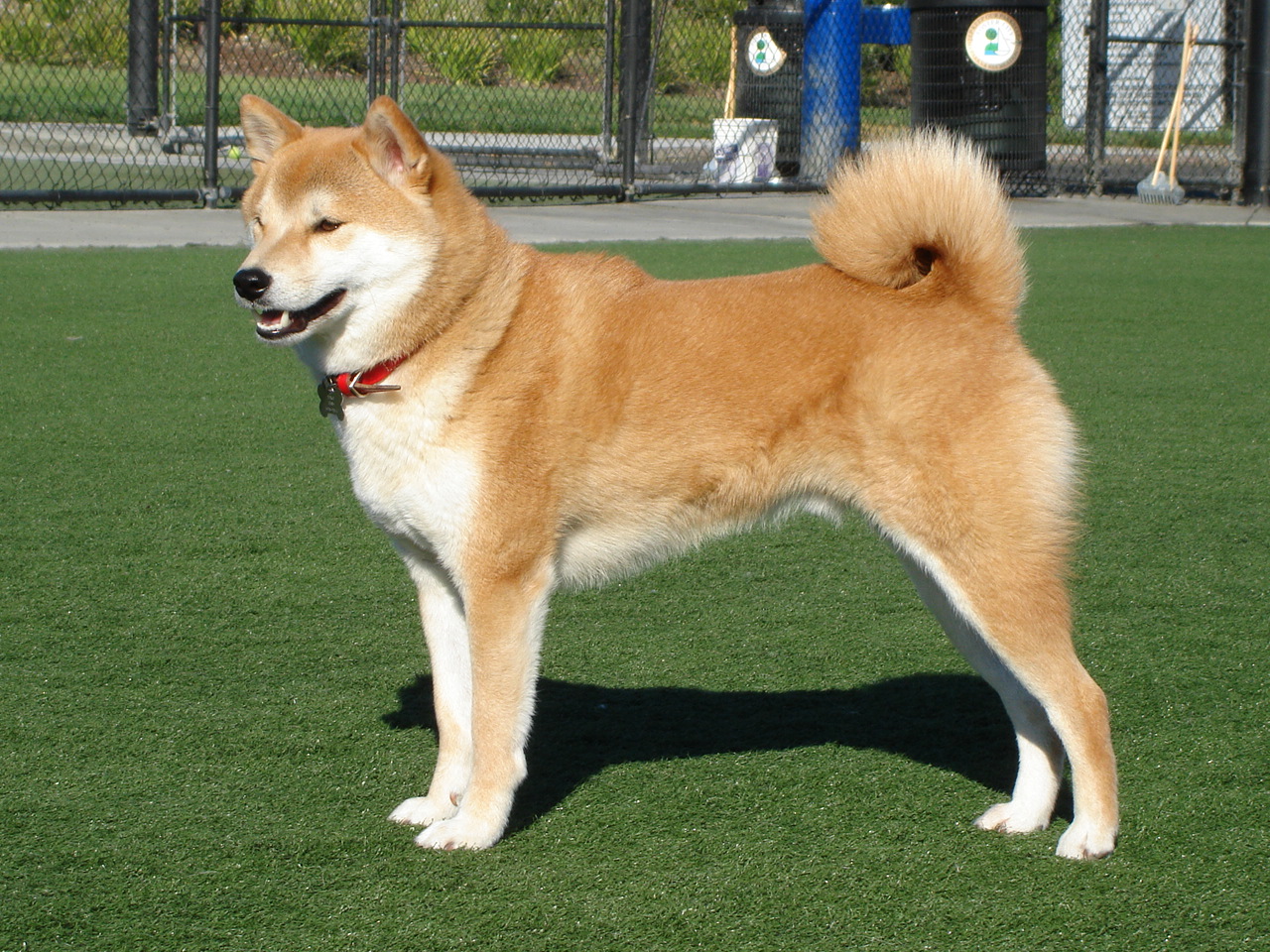
Origin and Physical Description
The Valley Bulldog is a medium-sized, muscular crossbreed originating from the Annapolis Valley in Nova Scotia. This crossbreed emerged in the late 20th century, a result of crossing the stocky English Bulldog with the athletic Boxer. The Valley Bulldog features a broad head, compact body, and a short coat, which is a trait inherited from both parents. This coat is typically short and smooth, requiring minimal grooming, which is a convenience for owners.
As a medium-sized breed, Valley Bulldogs have specific size standards. Males typically weigh between 23-36 kilograms and stand at 43-53 centimeters at the withers, while females weigh 18-32 kilograms and stand at 41-51 centimeters. This muscular build contributes to their powerful presence and agility, making them a robust and energetic breed.
Their brachycephalic face, a distinctive trait inherited from the English Bulldog parent, can be prone to certain health issues.
Temperament and Personality
The Valley Bulldog is known for its loyal, courageous, and affectionate temperament. These dogs are friendly, playful, and intelligent, making them great companions for families. Their playful nature means they enjoy activities that allow them to exert their energy and bond with their human family, such as fetch or tug-of-war.
Intelligence is a trait inherited from the Boxer parent, contributing to their quick learning abilities and willingness to please during training. This intelligence also makes them adaptable to various training scenarios, from basic obedience to advanced agility training.
The Valley Bulldog's temperament is well-suited for households with children, as they are affectionate and generally good-natured. However, their playful energy and strength might make them better suited for families with older children who can handle their exuberance and provide the necessary supervision.
Health Considerations
One major concern for Valley Bulldogs is brachycephaly, which can lead to difficulty breathing and potential heat sensitivity. This condition can also cause snoring and snorting, which are common in the breed.
Like the English Bulldog, Valley Bulldogs can also be susceptible to hip dysplasia, a condition that can cause pain and mobility issues. This condition is particularly concerning for active dogs, as it can limit their ability to engage in physical activities they enjoy.
The Valley Bulldog may also experience issues related to their short snouts, such as eye problems (like cherry eye or entropion) and skin folds, which can accumulate dirt and moisture, leading to infections if not regularly cleaned and monitored.
Breed Standards and History
The Valley Bulldog is not recognized by major kennel clubs or registries, reflecting its mixed breed status. This means that while there are general guidelines for their appearance and temperament, there is no formal breed standard. This lack of formal recognition also means that there is no centralized registry for the breed, which can make tracking the breed's history and lineage more challenging.
The history of the Valley Bulldog is rooted in the Old English Bulldog, a breed that was once used for bull-baiting. This sport was outlawed in England by the Cruelty to Animals Act of 1835, leading to the decline of the Old English Bulldog as a working dog. However, Bulldogs were still sought after for their loyalty and temperament, which led to the formation of the Bulldog Club in England in 1878.
As the sport of bull-baiting diminished, Bulldogs transitioned into companion dogs. Their friendly and affectionate nature made them popular pets, and they continue to be one of the most commonly registered breeds worldwide. The Valley Bulldog, as a result of this historical lineage, inherits these traits, making them excellent family pets.
Breeding and Adoption
Because the Valley Bulldog is a mixed breed, there is no standardized breeding process. This can make it difficult to predict the traits that may be passed on to a puppy, but it also offers a chance for variety in personalities and appearances.
Adopting a Valley Bulldog can be a great option for those looking for a loyal, playful, and intelligent companion.
Living with a Valley Bulldog
Living with a Valley Bulldog requires an understanding of their energy level, health needs, and exercise requirements. These dogs are best suited for active households that can provide them with daily exercise and mental stimulation.
They are intelligent and capable of learning new tricks and commands, which can be a great way to bond with your dog.
While this breed may require more care than some purebreds, the loyalty and affection they offer are well worth the effort.
Frequently Asked Questions
What is the lifespan of the Valley Bulldog?
The average lifespan of the Valley Bulldog is about 10-14 years. Good nutrition and regular veterinary care support a healthy life.
What is the temperament of the Valley Bulldog?
The Valley Bulldog is known for: Friendly, Loyal, Playful, Courageous, Intelligent, Affectionate. Its energy level is high.
What size and weight is the Valley Bulldog?
It is a large dog, typically around Male: 23-36; Female: 18-32 kg as an adult.
Is the Valley Bulldog easy to care for?
Reliable grooming and shedding ratings are not available. Routine brushing, ear and dental care, and nail trims are still recommended.
Is the Valley Bulldog good with kids and other pets?
Reliable child- and pet-friendliness ratings are not available. Supervised, gradual introductions are recommended.
How much exercise does the Valley Bulldog need?
With a high energy level, it needs walks, play or training matched to its stamina.
Valley Bulldog
Trait Scores
N/A