Origin and Recognition
The Valencian Terrier, also known as the Ratonero Valenciano or Gos Rater Valencià, has its roots in the Valencian Community in Spain. This breed was recognized by the Real Sociedad Canina de España (RSCE) in 2004, marking a significant milestone in its official recognition.
Traditionally, the Valencian Terrier was employed for catching rats and other vermin, which earned it the nickname "Ratonero. " In 2022, the breed was provisionally accepted by the Fédération Cynologique Internationale (FCI), further solidifying its status within the international canine community. Within the FCI, the Valencian Terrier is classified in Group 3: Terriers, specifically in the subgroup of Large and medium-sized terriers.
As of December 31, 2010, there were only 523 Ratonero Valencianos registered with the RSCE, a figure that underscores the breed's relatively rare status. The breed was among the sixteen Spanish breeds identified as vulnerable by the RSCE in 2026, highlighting the need for continued support and preservation efforts.
Physical Description
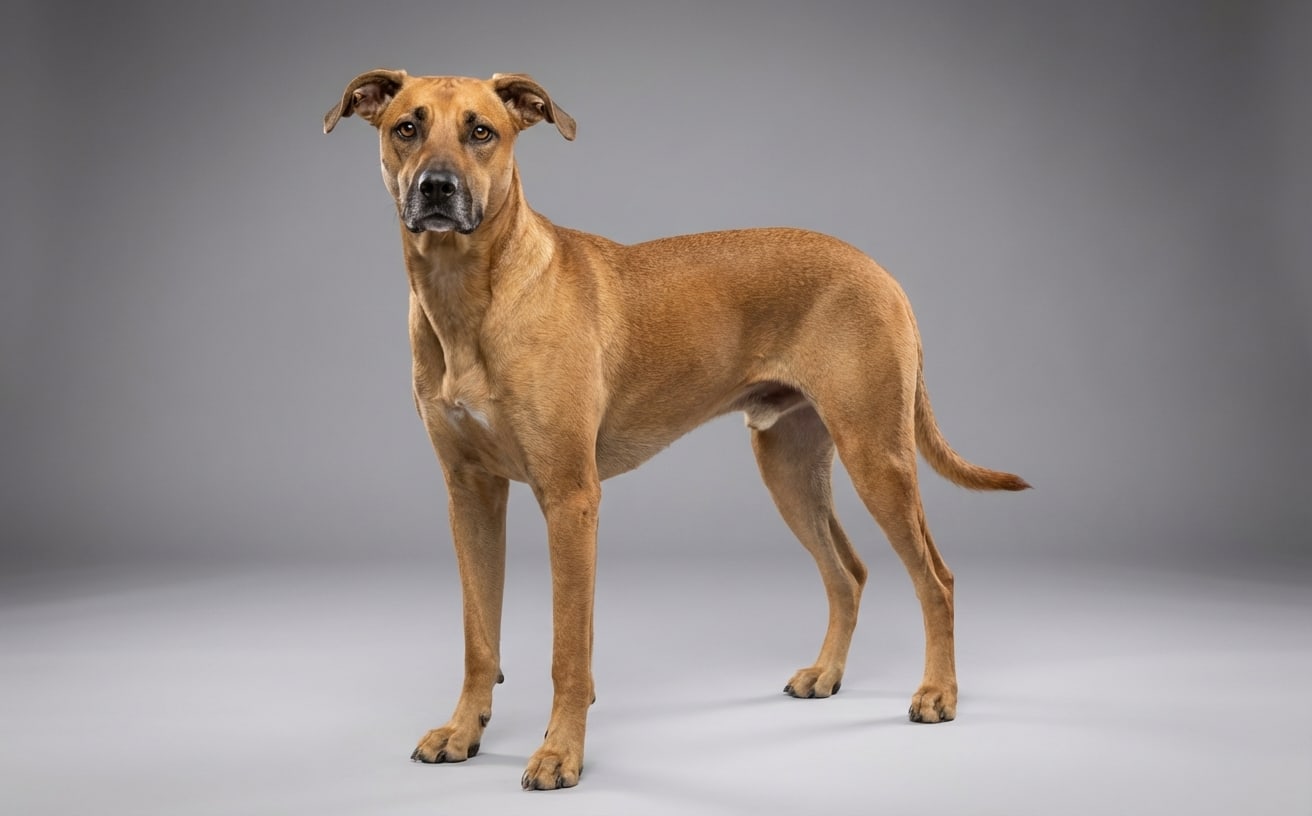
The Valencian Terrier is a small to medium-sized dog with a lean, well-proportioned body that reflects its terrier heritage. The coat is smooth and short, with a maximum length of just 2 centimeters, which requires minimal grooming. Common color markings include tricolor, black and tan, brown and white, and brown and tan, with the colors dominating the white portion of the coat, giving the dogs a striking appearance.
According to the breed standard, the ideal size for males is 36 centimeters at the withers, while for females, it is 33 centimeters. The weight range for both sexes is the same, ideally between 4 and 8 kilograms. This compact size makes the Valencian Terrier a suitable companion for those with limited space.
The breed standard describes them as tailless dogs, a traditional aspect of the breed. Any tail present should be cropped either "without respecting any vertebra or just the first," a practice that has been part of the breed's heritage and is still sometimes observed today.
Temperament and Characteristics
The Valencian Terrier is renowned for its intelligent and energetic nature, making it a proficient hunter. This breed is alert, loyal, and affectionate, qualities that make it an excellent companion for active individuals or families.
With a medium shedding coat, the Valencian Terrier is suitable for households with moderate allergies.
When well-trained, the Valencian Terrier can excel in various activities, including obedience and agility.
Breeder Purpose and Use
The primary purpose of breeding Valencian Terriers is as a Terrier, with a specific focus on hunting. Their strong work ethic and loyalty make them reliable companions in the field, showcasing the breed's dedication to its hunting heritage.
Valencian Terriers are known for their tenacity and courage, traits that have made them valuable hunting partners.
Health and Genetic Considerations
Like all breeds, the Valencian Terrier is prone to certain health conditions. Responsible breeders conduct health screenings to minimize the risk of hereditary diseases. Common health concerns for this breed include patellar luxation, a condition where the kneecap dislocates, and hip dysplasia, a malformed hip joint that can lead to arthritis.
Other potential health issues include allergies, which can manifest as skin irritations or ear infections, and eye disorders such as cataracts.
Buyer's Checklist
- Ensure the breeder is registered with the Real Sociedad Canina de España (RSCE) to ensure the dog's official recognition and health.
- Observe the dog's temperament and energy levels during the meet-and-greet to gauge their suitability for your lifestyle.
- Ask for health clearances, including proof of patellar luxation and hip dysplasia screenings, and ensure the dog has been dewormed and vaccinated.
- Consider the dog's exercise and grooming needs to ensure they fit with your lifestyle and the space available in your home.
- Understand the breed's hunting instincts and ensure it is suitable for your household environment, particularly if you have cats or small animals.
Cost and Household Considerations
The Valencian Terrier's relative rarity can affect the cost of acquiring a purebred dog, which may be higher than for more common breeds. The initial purchase price is just the beginning; ongoing expenses include food, veterinary care, grooming, and training.
Before bringing a Valencian Terrier into your home, consider the space you have available, the amount of exercise your lifestyle can provide, and the level of commitment you can make to this energetic and loyal breed. Their high energy levels require a dedicated owner who can provide ample exercise and mental stimulation to keep them happy and healthy.
Frequently Asked Questions
What is the lifespan of the Valencian Terrier?
The average lifespan of the Valencian Terrier is about 12-15 years. Good nutrition and regular veterinary care support a healthy life.
What is the temperament of the Valencian Terrier?
The Valencian Terrier is known for: Intelligent, Energetic, Alert, Loyal, Affectionate. Its energy level is high.
What size and weight is the Valencian Terrier?
It is a medium-sized dog, typically around 6-8 kg as an adult.
Is the Valencian Terrier easy to care for?
Reliable grooming and shedding ratings are not available. Routine brushing, ear and dental care, and nail trims are still recommended.
Is the Valencian Terrier good with kids and other pets?
Reliable child- and pet-friendliness ratings are not available. Supervised, gradual introductions are recommended.
How much exercise does the Valencian Terrier need?
With a high energy level, it needs walks, play or training matched to its stamina.
Valencian Terrier
Trait Scores
N/A