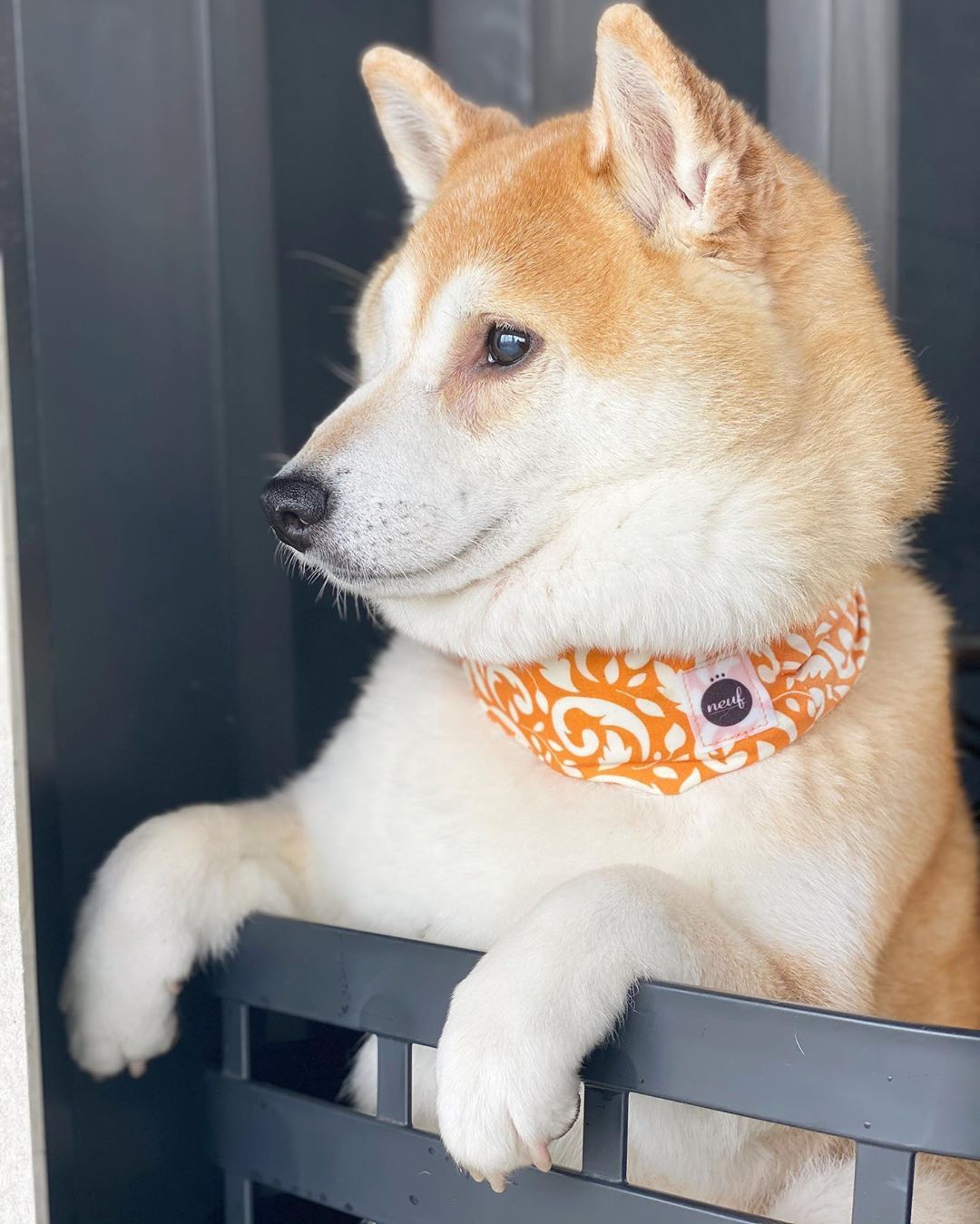
Origin and Recognition
The Treeing Walker Coonhound, a breed of hound, originated in the United States, primarily descending from English and American Foxhounds. This breed's development began in the 19th century when a stolen dog named "Tennessee Lead" was crossed into the Walker Hound, a breed initially developed by John W. Walker and George Washington Maupin in Kentucky. Recognized by the United Kennel Club (UKC) in 1945 and by the American Kennel Club (AKC) in 2012, the Treeing Walker Coonhound was officially classified as a separate breed.
The breed was developed for hunting raccoons and other game, such as squirrels, deer, bears, bobcats, or cougars, in rugged terrain. Known for its distinctive baying voice, the Treeing Walker Coonhound allows its owner to identify its location from a distance, a crucial ability in the hunt. The breed's origins and development reflect the needs of hunters in the region, where these versatile hounds were essential for a variety of game.
With a history that dates back to the 19th century, the Treeing Walker Coonhound has been officially recognized for its unique traits and hunting abilities, making it a treasured breed among enthusiasts.
Physical Characteristics
The Treeing Walker Coonhound is a medium to large athletic scent hound, known for its distinctive tricolor coat, which is white with black and tan markings. The breed stands at a height of 56-69 cm for males and 51-64 cm for females, with an average weight ranging from 23-32 kg. Their skull is broad, featuring a long muzzle and long, hanging ears, while their eyes are dark with a soft expression. The breed's legs are straight when viewed from the front or back, with cat-like, compact feet that are well-suited for the rugged terrain they were bred to navigate.
In conformation shows, the Treeing Walker Coonhound's health is assessed, with blindness or deafness being a disqualification. The smooth coat is fine and glossy, contributing to the breed's elegant appearance.
Temperament and Behavior
Treeing Walker Coonhounds are known for their intelligent, confident, friendly, energetic, courageous, and alert nature. They are affectionate and good with children, making them suitable companions for families.
On the hunt, these hounds are tireless, alert, and intense, showcasing their strong tracking instincts. At home, they are mellow and sensitive, loving comfort and human interaction. Their temperament is well-suited for an owner who understands and is willing to work with their inbred nature as a hunting dog. The breed's temperament is a blend of energy and affection, making them a delightful addition to a home where they can be actively engaged and exercised.
The Treeing Walker Coonhound's temperament is a blend of energy and affection, making them a delightful addition to a home where they can be actively engaged and exercised. Their friendly nature and loyalty to their owners make them not just hunting companions but also beloved family pets.
Training and Exercise Needs
They are intelligent and trainable, responding well to positive reinforcement. Training should begin early and be consistent to ensure the best results.
These hounds excel in activities that challenge their tracking and hunting instincts, such as obedience training, agility, or hunting trials.
Hunting Abilities
The Treeing Walker Coonhound is renowned for its strong tracking instincts, making it a popular choice as a hunting dog. They are adept at tracking and treeing arboreal prey such as raccoons, opossums, bobcats, cougars, and bears. Their speed and intelligence make them uniquely suited for these tasks, and their distinctive bay, which changes to a steady "chop" when treed, allows owners to locate them from great distances, a crucial factor in successful hunting.
These hounds are often used in competition coon hunts, where their speed and hunting abilities are put to the test. The breed's hunting prowess is well-documented in the hunting community, where they are highly respected for their contributions to the sport.
Health Considerations
Given their history as a hunting dog, the Treeing Walker Coonhound may also be susceptible to other health conditions related to their physical demands and genetic background. These include hip dysplasia, a common condition in large breeds; glaucoma, an eye disease that can lead to blindness; and bloat, a serious gastrointestinal condition that can be life-threatening.
Understanding and addressing potential health concerns is an important part of responsible pet ownership for the Treeing Walker Coonhound.
Buying and Owning a Treeing Walker Coonhound
- Research the breed's history and temperament to ensure it aligns with your lifestyle.
- Look for a reputable breeder who can provide health clearances and ensure the dog is well-socialized. A reputable breeder will be able to provide documentation on the dog's health and lineage, ensuring you are getting a healthy and well-bred animal.
- Be prepared for the breed's high energy level and ensure you can provide adequate exercise and mental stimulation. These hounds require regular physical activity and mental challenges to stay happy and healthy.
- Consider the costs associated with owning a dog, including food, grooming, and healthcare.
- Joining a local coon hunting club or dog sports group can provide opportunities for socialization and training, as well as a community of like-minded owners to connect with.
Buying a Treeing Walker Coonhound is a commitment to providing a loving and active home for this intelligent and energetic breed.
Frequently Asked Questions
What is the lifespan of the Treeing Walker Coonhound?
The average lifespan of the Treeing Walker Coonhound is about 12-13 years. Good nutrition and regular veterinary care support a healthy life.
What is the temperament of the Treeing Walker Coonhound?
The Treeing Walker Coonhound is known for: Intelligent, Confident, Friendly, Energetic, Courageous, Alert. Its energy level is high.
What size and weight is the Treeing Walker Coonhound?
It is a large dog, typically around 23-32 kg as an adult.
Is the Treeing Walker Coonhound easy to care for?
Reliable grooming and shedding ratings are not available. Routine brushing, ear and dental care, and nail trims are still recommended.
Is the Treeing Walker Coonhound good with kids and other pets?
Reliable child- and pet-friendliness ratings are not available. Supervised, gradual introductions are recommended.
How much exercise does the Treeing Walker Coonhound need?
With a high energy level, it needs walks, play or training matched to its stamina.
Treeing Walker Coonhound
Trait Scores
N/A