Origin and Historical Development
The Treeing Feist originated in the mountainous regions of the Southeastern United States in the 19th century. Originally considered a single breed, the Treeing Feist and the Mountain Feist are now recognized separately by the United Kennel Club. These dogs were bred from terriers and hounds, specifically to hunt small game, particularly squirrel and rodents, raccoons, opossums, rabbits, and for flushing birds.
In the 20th century, the Treeing Feist faced the threat of extinction, becoming increasingly rare. However, in the early 1980s, a group of devotees banded together to prevent their extinction. This led to the formation of various associations dedicated to the breed, including the Mountain Feist Association in 1984, the American Treeing Feist Association in 1985, and the United Kennel Club recognizing the Treeing Feist as a breed in 1998.
The breed's history is deeply rooted in the Southern United States, with the word "feist" deriving from "fist," a term used for a small, fierce dog in Southern America. The term "treeing" refers to their distinctive hunting style of running game up into trees and indicating to the hunter which tree the game has climbed.
Notable historical figures such as George Washington Carver were known to have owned Treeing Feists, showcasing the breed's historical significance in American agriculture and hunting culture.
Breed Characteristics
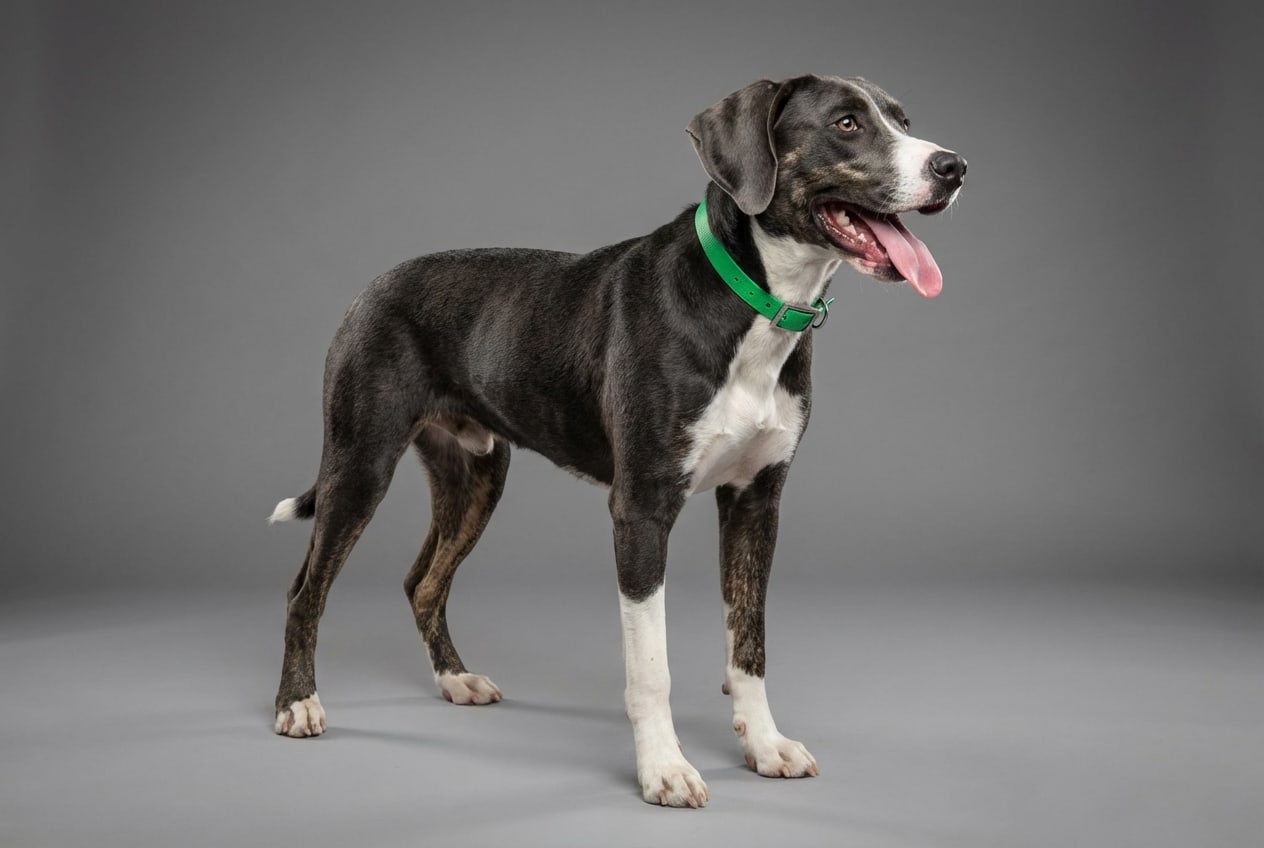
The Treeing Feist is a small to medium-sized, athletic hunting dog. They have short, dense coats that can be found in any color, combination of colors, or color patterns, including red, blue, black, white, and tan. Both pricked and semi-pricked ears are common in the breed, and tails can be docked at any length or left intact. The breed standards dictate that the coat should be free of excessive matting or shedding.
Originally, the breed had a broad size range, with heights between 10 and 22 inches (25 and 56 cm) and weights between 10 and 35 pounds (4.5 to 15.9 kg). However, the United Kennel Club breed standards now restrict the size to heights between 12 and 18 inches (30 and 46 cm) and weights between 12 and 30 pounds (5.4 and 13.6 kg). The weight is typically proportionate to the dog's height.
Despite the breed's size, the Treeing Feist is known for its high energy and strong prey drive, making it an excellent choice for those interested in hunting or working dogs. The breed's athletic build allows them to excel in physical activities such as running, jumping, and agility training.
Temperament and Personality
The Treeing Feist is an energetic, alert, and intelligent breed. They are eager to please and work-focused, making them highly trainable. This temperament makes them ideal for active owners looking for a companion that can keep up with their lifestyle. The breed's personality is characterized by a mix of courage, confidence, and a strong sense of loyalty.
While the Treeing Feist is energetic and intelligent, they may have a lower level of friendliness, which is something to consider for those with children or other pets.
Without adequate exercise and mental challenges, these dogs can become destructive or exhibit undesirable behaviors such as excessive barking or digging.
Life Span and Health Considerations
While the reference text does not provide specific health conditions, owners should be vigilant for signs of common issues in small to medium-sized breeds, such as hip dysplasia, patellar luxation, or skin allergies. Genetic predispositions may include conditions like von Willebrand's disease and glaucoma.
Coat and Grooming
The Treeing Feist has a short, dense coat that requires moderate grooming. Regular brushing helps keep the coat healthy and reduces shedding, which is particularly noticeable during seasonal changes. Their coat is typically self-cleaning and may not require frequent bathing unless they have been exposed to dirt or mud.
Additionally, their nails should be trimmed regularly to prevent overgrowth and discomfort. Ear cleaning may be necessary to prevent ear infections, especially in dogs with a more pointed ear structure.
While grooming is relatively straightforward for the Treeing Feist, owners should be prepared for some shedding, especially during seasonal changes. Regular vacuuming and cleaning can help manage the shedding and maintain a clean living environment. A professional grooming service can be beneficial for maintaining the coat and overall hygiene.
Training and Socialization
The Treeing Feist is highly trainable due to their intelligence and eagerness to please. Exposing them to various people, dogs, and environments during their formative years can help prevent fearfulness or aggression.
Consistent training methods, such as positive reinforcement, work well with the Treeing Feist. They respond well to clear instructions and enjoy activities that challenge their intelligence and physical abilities. Obedience training, agility training, and hunting trials are excellent ways to provide mental stimulation and exercise for the breed.
Training should be ongoing throughout the dog's life to maintain their mental stimulation and keep them engaged. The Treeing Feist's high energy level and strong prey drive make it important to reinforce good behavior and address any problematic behaviors promptly.
Ownership Considerations
The Treeing Feist is best suited for active owners who can provide them with a secure and enclosed yard for play. They may not be the best choice for those living in apartments or small homes without access to a safe outdoor area.
While the initial cost of purchasing a Treeing Feist may vary, the long-term investment in their care and well-being is significant. The cost includes grooming expenses, high-quality food and treats, training and equipment, veterinary care, and potential corrective surgeries for genetic issues.
- Training and equipment: Investing in training classes, agility equipment, and protective gear can be beneficial.
Buying a Treeing Feist
Responsible breeders conduct health clearances for common conditions like hip dysplasia, patellar luxation, and eye disorders.
Consider the following checklist when buying a Treeing Feist:
- Reputable breeder with a Foundation Stock Service: Ensure the breeder has a history of producing healthy and well-socialized puppies.
- Health clearances and genetic testing results: Request documentation of the puppy's health clearances and any genetic testing conducted on the parents.
- Well-cared-for environment and socialized puppies: Visit the breeder's facility to ensure the dogs are well-cared for and the environment is clean and safe. Observe how the puppies interact with their environment and each other.
- Clear understanding of the breed's exercise and training needs: Choose a breeder who can provide information about the breed's exercise requirements and training methods.
Investing time and effort into finding the right breeder and puppy will ensure a happy and healthy relationship with your Treeing Feist.
Frequently Asked Questions
What is the lifespan of the Treeing Feist?
The average lifespan of the Treeing Feist is about 10-18 years. Good nutrition and regular veterinary care support a healthy life.
What is the temperament of the Treeing Feist?
The Treeing Feist is known for: Energetic, Alert, Intelligent, Eager to Please, Work-focused. Its energy level is high.
What size and weight is the Treeing Feist?
It is a medium-sized dog, typically around 7-14 kg as an adult.
Is the Treeing Feist easy to care for?
Reliable grooming and shedding ratings are not available. Routine brushing, ear and dental care, and nail trims are still recommended.
Is the Treeing Feist good with kids and other pets?
Reliable child- and pet-friendliness ratings are not available. Supervised, gradual introductions are recommended.
How much exercise does the Treeing Feist need?
With a high energy level, it needs walks, play or training matched to its stamina.
Treeing Feist
Trait Scores
N/A