Origin and Historical Background
The Transylvanian Hound, a breed of scent hound, has its roots in Transylvania, a historical region that is now part of Romania. It originated in the Kingdom of Hungary, a region known for its mountainous terrain and varied landscapes. This breed was specifically adapted for hunting, particularly in the challenging environment of Transylvania's rugged hills.
The breed's history can be traced back to the ninth century when the Magyars, migrating across the Carpathian Mountains, brought their own hounds and bred them with local hounds, establishing the foundation stock of the Transylvanian Hound. During the Middle Ages, this dog became a favorite among Hungarian aristocracy for hunting various game animals, such as European bison, Eurasian brown bear, boar, and lynx.
Two distinct varieties of the Transylvanian Hound were developed: the tall variety for hunting big game in woodland and grassland, and the short variety for smaller game in overgrown or rocky terrain. However, by the beginning of the twentieth century, the breed was on the brink of extinction, largely due to the growth of agriculture and forestry. The breed was nearly wiped out during World War II and again in 1947 when Transylvania became part of Romania, where the Romanian government sought to exterminate any surviving Transylvanian Hounds. Breeders in Hungary and Slovakia have since been working to revive the breed.
Physical Characteristics
The Transylvanian Hound is of medium-to-large size, known for its athletic build and endurance. The male dogs typically weigh between 25 and 35 kg (55 to 77 lbs), while the female dogs weigh between 25 and 30 kg (55 to 66 lbs). Males stand at a height of 55 to 66 cm (22 to 26 inches), while females range from 51 to 62 cm (20 to 24 inches).
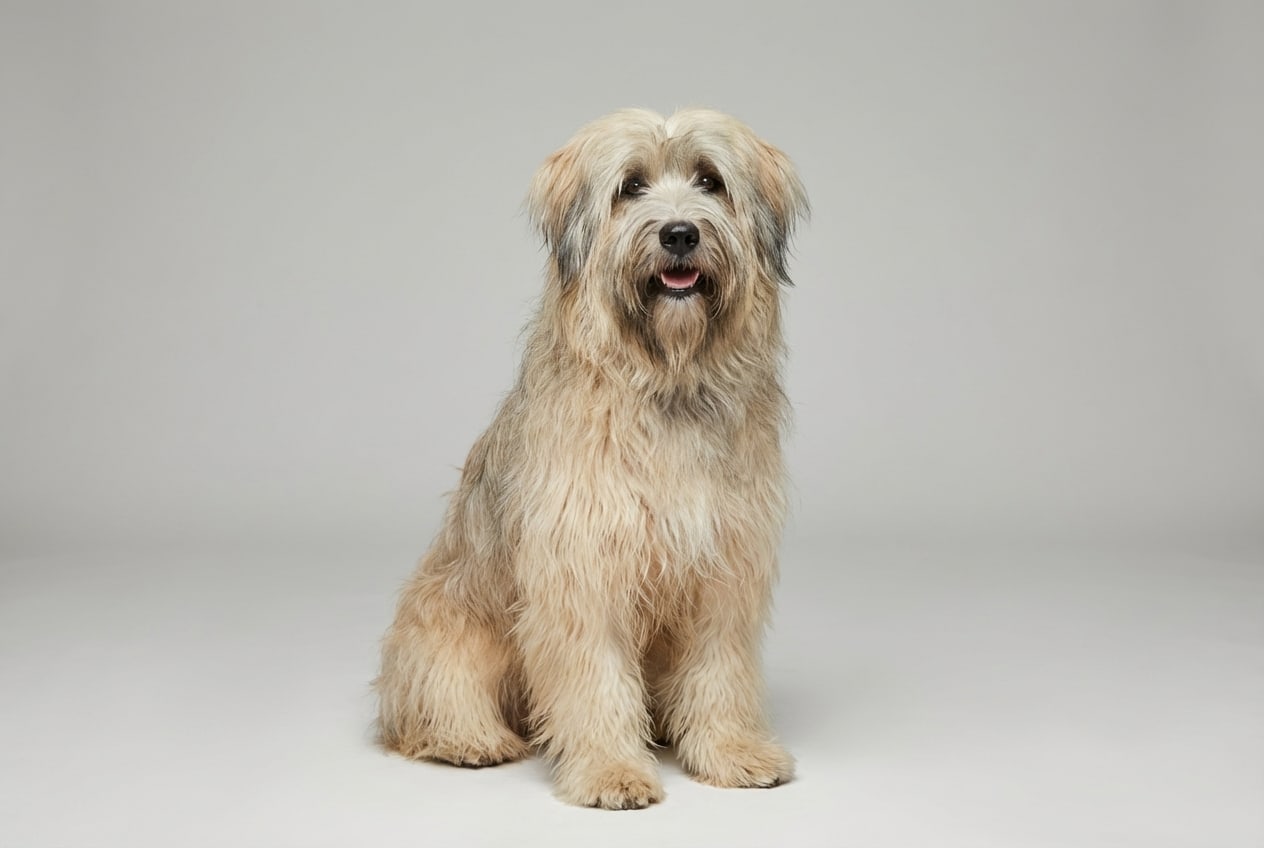
Characterized by a distinctive short black-and-tan coat, the Transylvanian Hound has black markings on its body with tan and sometimes white spots on the muzzle, chest, and extremities. The breed also features distinctive tan eyebrow spots. Its head is of a typical scent hound shape, long but not pointed, free from wrinkles, with medium-sized, pendant ears that are wide in the middle and taper to a rounded tip. The body is relatively long but square, with a broad and long chest but not overly deep.
The breed's tail is low-set and undocked, often carried curled at the level of the back during hunting. The coat is short, straight, and close fitting, slightly longer in the long-legged variety than in the short-legged variety. The short-legged variety usually has a dark red and tan or dark red and tan tricolour coat, while the long-legged variety typically displays black and tan or black and tan tricolour markings.
Temperament and Behavior
Transylvanian Hounds are known for their courageous and determined nature, making them excellent hunters. Despite their high energy levels, they can also be calm and adaptable, which is particularly useful for a breed that is used to hunting in a variety of landscapes and conditions.
These dogs are typically reserved and introspective, but they can be very friendly with other dogs, especially as pack hounds. They are usually good natured, tolerant of children, and easy to train, which makes them a desirable companion for families. Their high trainability and intelligence are traits that have been carefully bred into the Transylvanian Hound to ensure its effectiveness as a hunting dog.
Despite their hunting instincts, Transylvanian Hounds are generally reserved and slightly suspicious towards strangers. However, their overall character is described as being good-natured and tolerant, making them suitable for various types of households.
Breed Standards and Recognition
The Transylvanian Hound was officially registered for the first time in 1886 with the "Hungarian Hunting Dog Pedigree" (Magyar Vadászeb Törzskönyv). It was registered as a Hungarian Hound by the Hungarian National Vizsla Club/Hound Division (Magyar Országos Vizsla Klub/Kopó szakosztály) in 1941, with a recovery effort starting with only 27 individuals. The breed faced another setback during World War II, but breeding efforts resumed in the 1960s.
The breed was recognized and standardized by the Fédération Cynologique Internationale (FCI) in 1963, with definitive acceptance on March 30 of that year. Further efforts to recover the breed began in 1968, and in the twenty-first century, substantial numbers of the tall variety of the dogs can be found in both Hungary and Romania.
The Transylvanian Hound is recognized by the Hungarian Kennel Club and is described by the FCI breed standard, which details the breed's characteristics and requirements for competition and registration.
Health and Longevity
The Transylvanian Hound is a healthy breed with a lifespan of 10 to 14 years, which is longer than average for many dog breeds. This long lifespan is attributed to the breed's natural health and absence of known special hereditary diseases.
Breeding and Registration
Breeding Transylvanian Hounds requires a focus on maintaining the breed's unique characteristics, including its athletic build, scenting ability, and hunting instincts. Breeders must also pay close attention to the breed's health and longevity, ensuring that their dogs are free from hereditary diseases and maintaining the breed's strong physical condition.
With proper breeding practices, the Transylvanian Hound can maintain its status as an ancient and highly valued breed.
Buyers' Checklist
- Check the dog's breed history and health records.
- Ensure the dog is healthy with no signs of hereditary diseases.
- Be prepared for a long-term commitment with a dog that can live up to 14 years.
Buying a Transylvanian Hound is a significant commitment, but for those who are prepared and able to provide the necessary care, it can be a rewarding experience.
Frequently Asked Questions
What is the lifespan of the Transylvanian Hound?
The average lifespan of the Transylvanian Hound is about 10-14 years. Good nutrition and regular veterinary care support a healthy life.
What is the temperament of the Transylvanian Hound?
The Transylvanian Hound is known for: Courageous, Intelligent, Loyal, Energetic, Independent, Calm, Adaptable. Its energy level is high.
What size and weight is the Transylvanian Hound?
It is a large dog, typically around Male: 25-35; Female: 25-30 kg as an adult.
Is the Transylvanian Hound easy to care for?
Reliable grooming and shedding ratings are not available. Routine brushing, ear and dental care, and nail trims are still recommended.
Is the Transylvanian Hound good with kids and other pets?
Reliable child- and pet-friendliness ratings are not available. Supervised, gradual introductions are recommended.
How much exercise does the Transylvanian Hound need?
With a high energy level, it needs walks, play or training matched to its stamina.
Transylvanian Hound
Trait Scores
N/A