Origin and History
The Tosa Ken, also known as the Japanese Mastiff, has its origins in Tosa Province, Shikoku Island, Japan. This breed was developed in the second half of the 19th century, specifically for dog fighting. The initial breed was the Shikoku-Inu, a native dog weighing around 25 kilograms (55 pounds) and standing about 55 centimeters (22 inches) tall. To enhance size and power, the breeders crossed the Shikoku-Inu with various European dog breeds, including the Old English Bulldog, English Mastiff, Saint Bernard, German Pointer, Great Dane, and Bull Terrier. The peak of Tosa breeding occurred between 1924 and 1933, during which there were reportedly over 5,000 Tosa breeders in Japan. The Tosa was recognized by the United Kennel Club in 1991 and by the American Kennel Club in 1999.
Ownership of Tosas is legally restricted in several countries due to their historical association with dog fighting. In the United Kingdom, for instance, ownership is regulated under the Dangerous Dogs Act 1991, which includes the Tosa Ken, the American Pit Bull Terrier, the Dogo Argentino, and the Fila Brasileiro. In Trinidad and Tobago under the Dog Control Act 2014, Tosas are classified as "restricted breeds. " The breed has also been banned or legally restricted in various countries, including Australia, Austria, Cyprus, Denmark, Fiji, France, Hong Kong, Iceland, Ireland, Israel, Malaysia, Malta, New Zealand, Norway, Romania, Singapore, Tunisia, Turkey, United Arab Emirates, and the United Kingdom.
Appearance
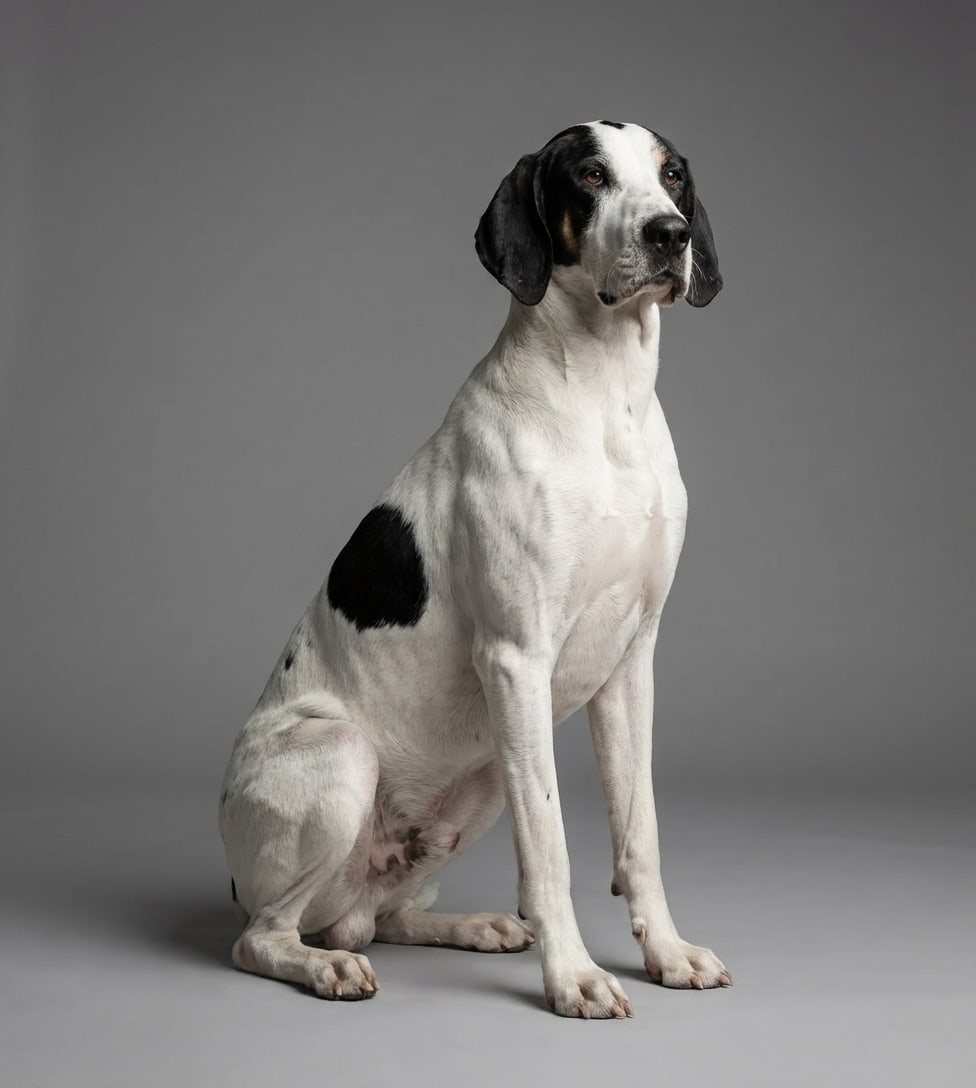
The Tosa Ken is a large, powerful dog breed, known for its imposing presence. The Japanese-bred Tosas tend to be slightly smaller, generally weighing between 36 and 61 kilograms (80 and 135 pounds), while non-Japanese breeders have focused on dogs that weigh from 60 to 90 kilograms (130 to 200 pounds) and stand 62 to 82 centimeters (24 to 32 inches) at the withers. The coat is short and smooth, typically found in colors such as red, brindle, fawn, or occasionally dull black. The Tosa's coat reflects its working origins, requiring minimal maintenance. In Japan, the Tosa Ken is considered the equivalent of sumo wrestlers and is even depicted in wrestling attire, highlighting its cultural significance and physical strength. The breed's color standard is outlined in the American Kennel Club's breed standard, which specifies the acceptable colors and markings.
Temperament and Traits
The Tosa Ken is known for its calm, courageous, loyal, protective, and confident temperament. This breed is highly protective of its family and requires a firm, consistent hand in training. Its low energy level means it is not ideal for highly active households. The Tosa's temperament is also characterized by its intelligence and strong will, which requires a patient and experienced handler. With a moderate trainability, the Tosa Ken responds well to positive reinforcement training methods, particularly when the training is consistent and fair.
Health Considerations
While the Tosa Ken is generally a healthy breed, there are some potential health issues to be aware of. These include conditions such as hip dysplasia, which can affect the dog's mobility and may require surgery, and elbow dysplasia, which can cause pain and discomfort. Other health concerns include entropion, a condition where the eyelid rolls inward, and aortic stenosis, a heart condition that can lead to coughing and exercise intolerance. Owners should be vigilant for signs of these conditions and consult with their veterinarian for appropriate care. Early detection and intervention of any health concerns can significantly impact the dog's quality of life and reduce the risk of complications.
Life Expectancy and Size
The Tosa Ken has a life span of 10-12 years, which is average for a large breed. Males typically weigh between 45 and 91 kilograms (99 and 200 pounds), while females weigh between 41 and 73 kilograms (90 and 161 pounds). Males stand at a height of 55 to 69 centimeters (22 to 27 inches), and females stand at a height of 55 to 64 centimeters (22 to 25 inches). These dimensions make the Tosa Ken one of the largest breeds of dog, requiring a home with ample space and a secure environment. The Tosa's large size also means that it requires a diet and exercise regimen that supports its growth and maintains its health.
Usage and Breeder Purpose
The Tosa Ken is a working breed, originally bred for dog fighting and now commonly used as a family pet and guardian dog. Its protective nature and loyalty make it an excellent choice for those seeking a reliable and devoted companion. The breed's strong work ethic and physical prowess have also made it a popular choice for certain working roles, such as police and military work. The Tosa's history as a fighting dog means that it requires a responsible owner who can provide appropriate training, socialization, and a safe environment.
Cost and Household Considerations
When considering the Tosa Ken as a pet, potential owners should be prepared for the associated costs. The breed's size and energy level also require a home with adequate space and a secure yard. The Tosa Ken's history as a fighting dog means that it requires a strong, confident handler who can provide consistent leadership and training. The following is a practical checklist for those considering adding a Tosa Ken to their family:
- Ensure the home has ample space for a large dog to roam and exercise, with a secure yard for off-leash activities.
- Be prepared for the ongoing costs of pet ownership, including food, veterinary care, grooming, and training, which can range from $2,000 to $3,000 annually.
- Consider the breed's protective nature and ensure the dog is well-socialized to prevent aggression, particularly with other dogs and animals.
- Invest in a secure yard or a means of safely exercising the dog off-leash, as the Tosa Ken can be powerful and may not respond well to being leashed for extended periods.
- Be prepared for the commitment of caring for a large dog with a life span of 10-12 years, ensuring the ability to provide long-term care and attention.
Frequently Asked Questions
What is the lifespan of the Tosa Ken?
The average lifespan of the Tosa Ken is about 10-12 years. Good nutrition and regular veterinary care support a healthy life.
What is the temperament of the Tosa Ken?
The Tosa Ken is known for: Calm, Courageous, Loyal, Protective, Confident. Its energy level is low.
What size and weight is the Tosa Ken?
It is a large dog, typically around Male: 45-91; Female: 41-73 kg as an adult.
Is the Tosa Ken easy to care for?
Reliable grooming and shedding ratings are not available. Routine brushing, ear and dental care, and nail trims are still recommended.
Is the Tosa Ken good with kids and other pets?
Reliable child- and pet-friendliness ratings are not available. Supervised, gradual introductions are recommended.
How much exercise does the Tosa Ken need?
With a low energy level, it needs walks, play or training matched to its stamina.
Tosa Ken
Trait Scores
N/A