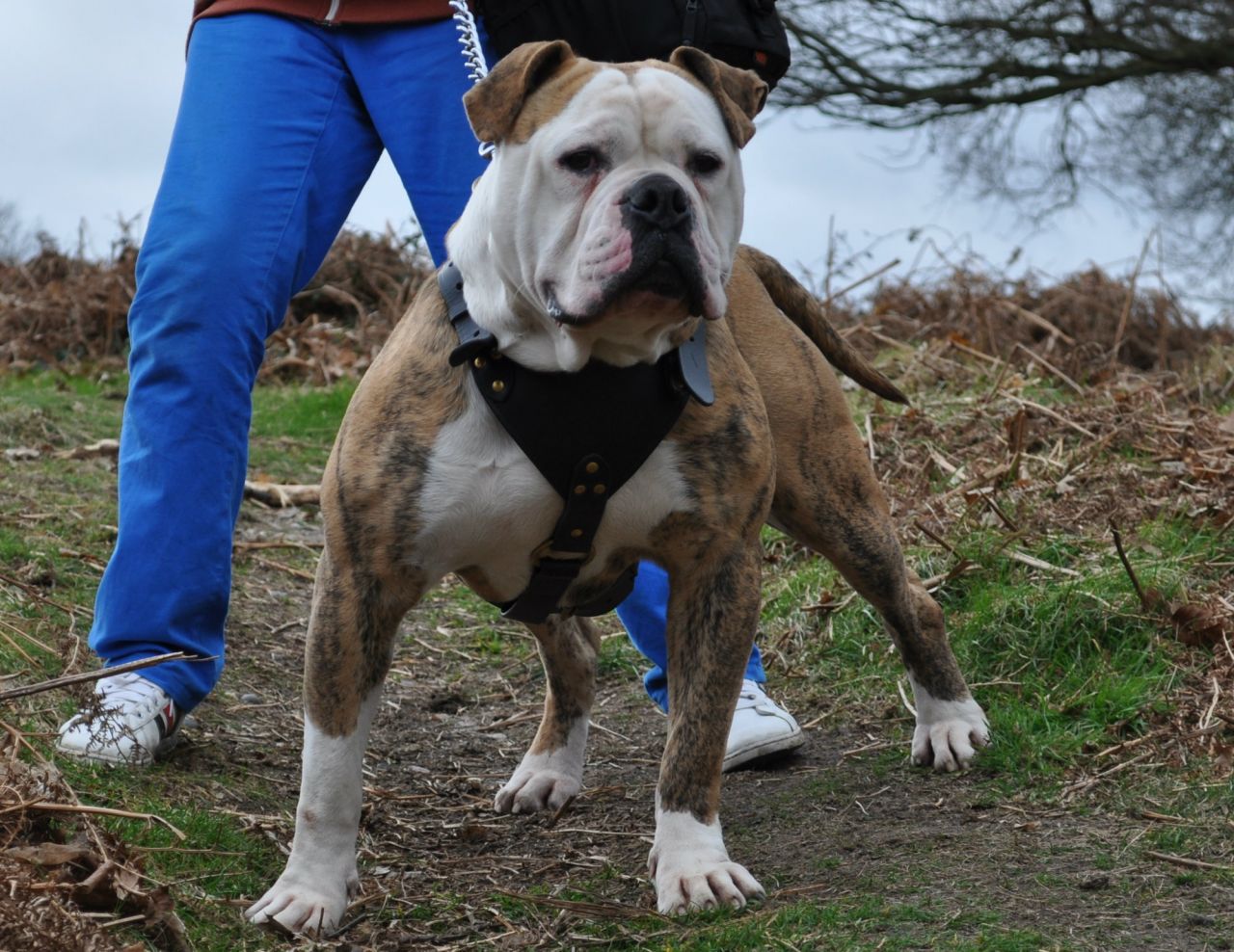
Origin and History
The Tornjak, a livestock guardian dog, originates from the mountainous regions of Bosnia and Herzegovina and Croatia. Its history dates back to the 11th century, with early written references found in the works of Peter Horvat, Bishop of Đakovo, in 1374, and Peter Lukić, Canon of the Đakovo diocese, in 1752. These historical accounts provide insights into the breed's early role as a guardian of livestock in the region.
The Tornjak served as a transhumance shepherd dog for Vlachs in medieval Bosnia, known for its intelligence and ability to limit aggression. This role required the dog to be both protective and gentle, as it needed to keep sheep safe from predators while not causing undue stress to the flock. However, with the decline of nomadic sheep herding in the region, the breed's prevalence waned. In the early 1970s, a group of cynologists initiated a project to identify and breed dogs with characteristics similar to those described in historic writings, leading to the foundation stock of the modern Tornjak breed in 1978. This effort was crucial in preserving the breed's unique traits.
The Tornjak was first imported to the UK in 2013, with the aim of seeking UK Kennel Club Recognition. However, as of 2010, owning, breeding, and importing Tornjaks is banned in Denmark due to their classification as dangerous under the Danish Act on Dogs. This ban highlights the breed's protective nature and the potential risks associated with its size and strength.
Name and Variations
The Tornjak, also known as the Bosnian-Herzegovinian sheepdog, has several regional names. In Sinj and the Kamešnica mountain, the breed is called Toraši, while shepherds in the Dinara mountains refer to it as Dinarci. Other names include Bosanski Ovčar Tornjak, meaning Bosnian Shepherd Dog, and Hrvatski pas planinac, meaning Croatian mountain dog. These variations reflect the breed's widespread presence and the different regions where it was cherished and utilized.
The FCI standard name, Tornjak, is derived from the word "tor," meaning sheep pen. This reflects the breed's historical role as a guardian of livestock, a role that has shaped its physical and behavioral characteristics over centuries.
Physical Appearance
The Tornjak is a large, powerful dog with a well-proportioned build, particularly suited for mountainous terrain. Males typically weigh between 35-50 kg and stand at 63.5-71 cm tall, while females weigh 28-45 kg and stand at 58.4-69 cm tall. This size and strength make them formidable guardians, capable of protecting livestock from predators such as wolves and bears.
They have a dense, double coat that is weather-resistant, with short hair over the face and legs and distinctively long and abundant hair over the neck (mane) and back of the upper thighs (breeches). The tail is notably feathered and carried like a flag when the dog moves, a trait that is both aesthetically pleasing and functional, as it allows the dog to be easily spotted in the field.
The coat is particolored, predominantly white with patches of various colors, commonly found around the neck, over the head, and along the legs. These markings serve a utilitarian purpose, allowing shepherds to distinguish their dogs from sheep and wolves, a crucial aspect of their working life.
Temperament and Behavior
The Tornjak has a calm temperament, known for its peacefulness and indifference. However, when necessary, it becomes a vigilant and alert watchdog, ready to protect its flock. The breed is not nervous nor aggressive, displaying a tough and sturdy nature that is both endearing and reassuring to its owners.
With their human family, Tornjaks can be very affectionate, forming strong bonds with their owners. Towards strangers or other animals, they are generally not overly aggressive, but will be decisive when required, capable of confronting and chasing away stronger rivals, such as wolves or bears. This behavior is a result of their natural instincts as livestock guardians.
Shepherds have said that a Tornjak guarding a flock is a fair match to two wolves, and that a couple of Tornjaks can confront and chase away a bear, demonstrating their tenacity in these situations. This highlights the breed's bravery and loyalty, qualities that have made them invaluable to shepherds for centuries.
Lifestyle and Activities
The Tornjak's exercise needs are not demanding, but they do require regular physical activity to maintain their health and well-being. During the first 9-12 months, they require less exercise due to their last intensive growth period, which is a critical time for their development. They prefer long walks without a leash and enjoy playing with other dogs, activities that stimulate their minds and bodies.
These dogs are intelligent and learn quickly, making them easy to train. They are strong and hardy, capable of lying on the ground during snowy winter nights and remaining unfrozen due to their thick coats.
Primarily used for herding and protecting livestock, Tornjaks are well-suited for activities that require strength, intelligence, and loyalty.
Health and Genetics
The Tornjak breed has a lifespan of 12-14 years, which is average for large breeds. The breed's genetic homogeneous landrace shepherding background may contribute to certain health conditions that owners should monitor. These include hip dysplasia, a common condition in large breeds, and elbow dysplasia, which can cause pain and mobility issues.
Other potential health issues include entropion, a condition where the eyelid rolls inward, causing irritation and potential damage to the eye, and skin allergies, which can be triggered by various environmental factors. Early identification and management of potential health issues can contribute to a longer and healthier life for these dogs.
Buying a Tornjak
When considering purchasing a Tornjak, potential owners should be prepared for the following:
- Investing in a dog with a large and powerful build, requiring space and a secure environment. This is particularly important if you live in an apartment or have a small yard, as Tornjaks need ample room to roam and exercise.
- Understanding the breed's calm but protective nature, which may require experience in handling large dogs.
- Providing adequate exercise, including long walks and playtime with other dogs. Tornjaks are active dogs that need regular physical activity to stay healthy and happy.
- Committing to ongoing training and socialization. Tornjaks are intelligent and can be easily trained, but they also need consistent socialization to ensure they are well-rounded and well-behaved members of society.
Frequently Asked Questions
What is the lifespan of the Tornjak?
The average lifespan of the Tornjak is about 12-14 years. Good nutrition and regular veterinary care support a healthy life.
What is the temperament of the Tornjak?
The Tornjak is known for: Calm, Protective, Loyal, Intelligent, Confident, Alert. Its energy level is low.
What size and weight is the Tornjak?
It is a large dog, typically around Male: 35-50; Female: 28-45 kg as an adult.
Is the Tornjak easy to care for?
Reliable grooming and shedding ratings are not available. Routine brushing, ear and dental care, and nail trims are still recommended.
Is the Tornjak good with kids and other pets?
Reliable child- and pet-friendliness ratings are not available. Supervised, gradual introductions are recommended.
How much exercise does the Tornjak need?
With a low energy level, it needs walks, play or training matched to its stamina.
Tornjak
Trait Scores
N/A