Origins and History
The Tibetan Terrier hails from the high-altitude region of Tibet, where it has been bred for over 2,000 years within the monasteries. This breed was initially raised for its role as a watchdog, herder, and companion, and was often referred to as the 'Holy Dog of Tibet. ' The Tibetan name for the breed, Tsang Apso, means "shaggy or bearded dog" from the province of Tsang. The first Tibetan Terrier to reach Europe was brought by Dr. Agnes Greig in 1922, leading to the breed's establishment in England.
Dr. Greig named the first Tibetan Terrier she acquired, Bunti, and later acquired a male named Rajah, which allowed her to establish a kennel. The breed was first registered as Lhasa Terriers, but the name was changed to Tibetan Terrier in 1930 by the Kennel Club of India. The first Tibetan Terriers to arrive in the United States were imported in 1956 by Dr. Henry and Mrs. Alice Murphy from Dr. Greig's kennel.
The American Kennel Club recognized the breed in 1973, classifying it as part of the non-sporting group. A 2024 UK study reported a life expectancy of 13.8 years for Tibetan Terriers, which is higher than the average for purebred dogs. This longevity is attributed to the breed's robust health and resilient constitution, developed over centuries in the harsh Tibetan climate.
Breed Standard
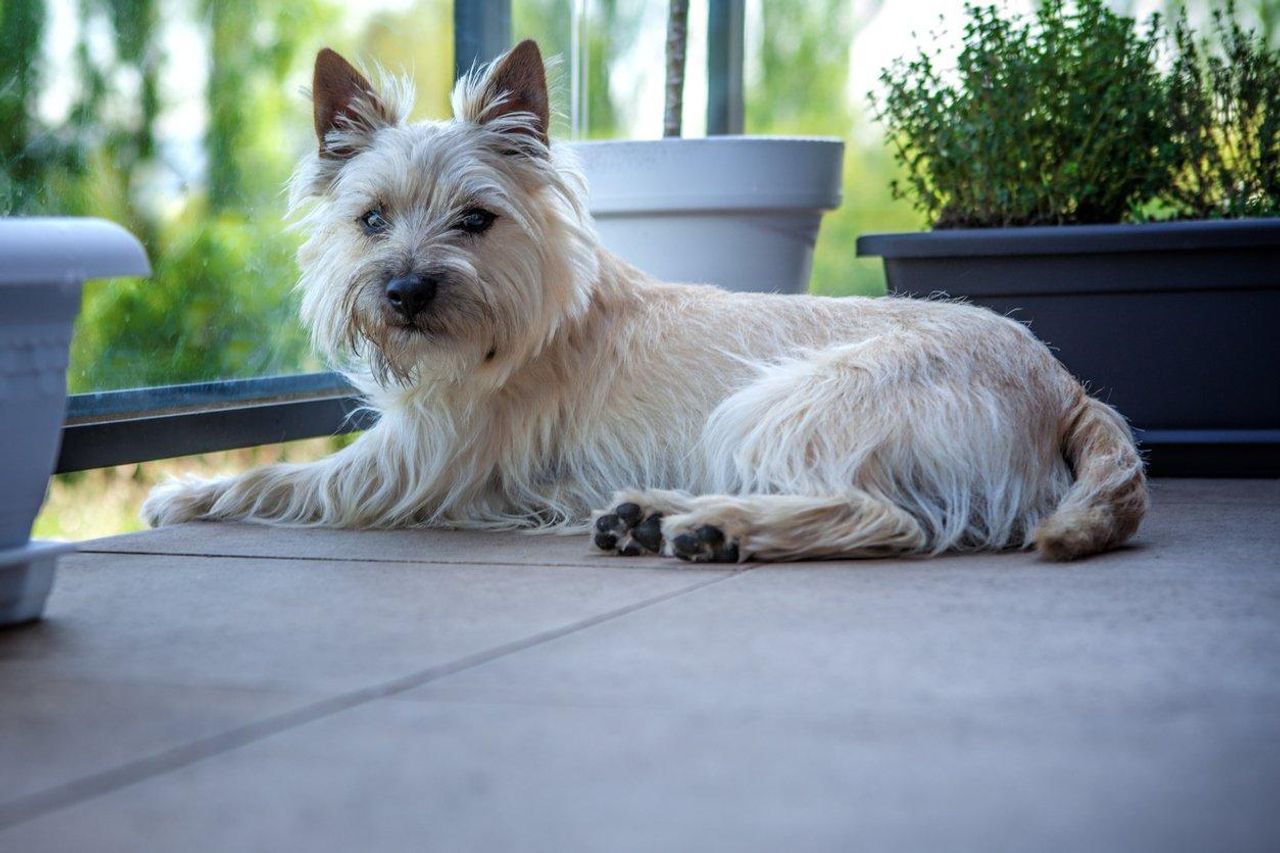
The Tibetan Terrier is a medium-sized dog with square proportions, known for its shaggy coat and unique feet. They typically weigh between 8-14 kg (18-30 lb) and stand at 36-43 cm (14-16 in) in height. The breed has a powerful and compact body, with a moderate head featuring a strong muzzle and medium-length skull. Their large, dark eyes are set fairly far apart, and the V-shaped drop ears are well-feathered and set high on the skull.
The Tibetan Terrier's tail is set high, well-feathered, and carried in a curl over the back. Their feet are broad and flat, with hair between the toes, which act as natural snowshoes, ideal for their mountainous habitat. The coat is long, with a warm undercoat and a topcoat that resembles human hair, though it should not be silky or curly. It requires occasional trimming and does not shed like dogs with shorter hair cycles, making it a suitable choice for those with allergies.
Colours vary, but liver and chocolate are not permissible. Gold is the rarest colour, and the nose should be black, although it may sometimes be brown. The breed's eyes and eye rims are dark, and the long eyelashes prevent hair from getting into the eyes. This distinctive appearance has made the Tibetan Terrier a popular choice for dog shows and exhibitions.
Temperament and Personality
Tibetan Terriers are affectionate, intelligent, loyal, and alert dogs. They are amiable family pets that form strong bonds with their owners, often being sensitive to their feelings. These dogs are generally playful and get along well with older children if introduced properly. Despite their watchdog origins, they are typically reserved around strangers and should not be aggressive or shy.
They have a moderate to high energy level, making them suitable for dog sports like agility and rally obedience. Their intelligent and agile nature allows them to be trained for various activities. However, their cleverness can sometimes lead to stubbornness, and they may be guarding of their resources, which can make living with another pet challenging.
Their deep bark and tendency to excessive barking should be considered, especially in living spaces with noise restrictions. Training to control barking is an important aspect of owning a Tibetan Terrier, as it can be a source of stress for both the dog and its owners.
Health Considerations
Tibetan Terriers are susceptible to canine neuronal ceroid lipofuscinosis, also known as Batten disease in humans, which presents initially with night blindness and can lead to blindness, neurological signs, epilepsy, and aggression. The gene responsible was identified in 2009, and a DNA test is available. Approximately one-third of Tibetan Terriers were found to be carriers in a German study, but careful breeding practices have mitigated this issue. Owners should be vigilant about the health of their dogs and consult with breed-specific organizations for guidance on managing this condition.
Primary lens luxation is another common health concern in this breed, caused by an autosomal recessive mutation in the ADAMTS17 gene. This condition can lead to dislocation of the lens in the eye and requires veterinary attention.
This condition can cause lameness and pain, and it may require surgery to correct. Regular physical examinations can help detect and manage this condition early.
Notable Owners and Popularity
Actor Hugh Bonneville and his family are known Tibetan Terrier enthusiasts, owning two of the breed. UK TV presenter Clare Balding chose the Tibetan Terrier for its suitability, particularly for her wife who is allergic to pet dander. These examples highlight the breed's popularity among celebrities and its appeal to those with allergies. The breed's unique characteristics and loyal nature have made it a favorite among many dog lovers.
The Tibetan Terrier has a dedicated following, and its unique traits and history make it a sought-after breed. However, potential owners should be aware of the breed's specific health considerations and the grooming requirements associated with its long coat. The breed's popularity has led to a variety of color variations and coat types, each with its own set of characteristics and care needs.
Buying and Owning a Tibetan Terrier
Reputable breeders will conduct health screenings on their dogs and will be transparent about the breed's health issues.
Be prepared for the grooming requirements associated with a long coat, including regular brushing and occasional trimming.
For those interested in dog sports, the Tibetan Terrier's intelligence and agility make them a great candidate for activities like agility and rally obedience. If you are looking for a loyal and affectionate companion with a unique appearance, the Tibetan Terrier could be a perfect fit. Potential owners should consider the breed's energy level and the amount of time they can dedicate to training and exercise when deciding if a Tibetan Terrier is the right choice for their lifestyle.
Frequently Asked Questions
What is the lifespan of the Tibetan Terrier?
The average lifespan of the Tibetan Terrier is about 12-16 years. Good nutrition and regular veterinary care support a healthy life.
What is the temperament of the Tibetan Terrier?
The Tibetan Terrier is known for: Affectionate, Intelligent, Loyal, Alert, Playful. Its energy level is high.
What size and weight is the Tibetan Terrier?
It is a medium-sized dog, typically around 8-14 kg as an adult.
Is the Tibetan Terrier easy to care for?
Reliable grooming and shedding ratings are not available. Routine brushing, ear and dental care, and nail trims are still recommended.
Is the Tibetan Terrier good with kids and other pets?
Reliable child- and pet-friendliness ratings are not available. Supervised, gradual introductions are recommended.
How much exercise does the Tibetan Terrier need?
With a high energy level, it needs walks, play or training matched to its stamina.
Tibetan Terrier
Trait Scores
N/A