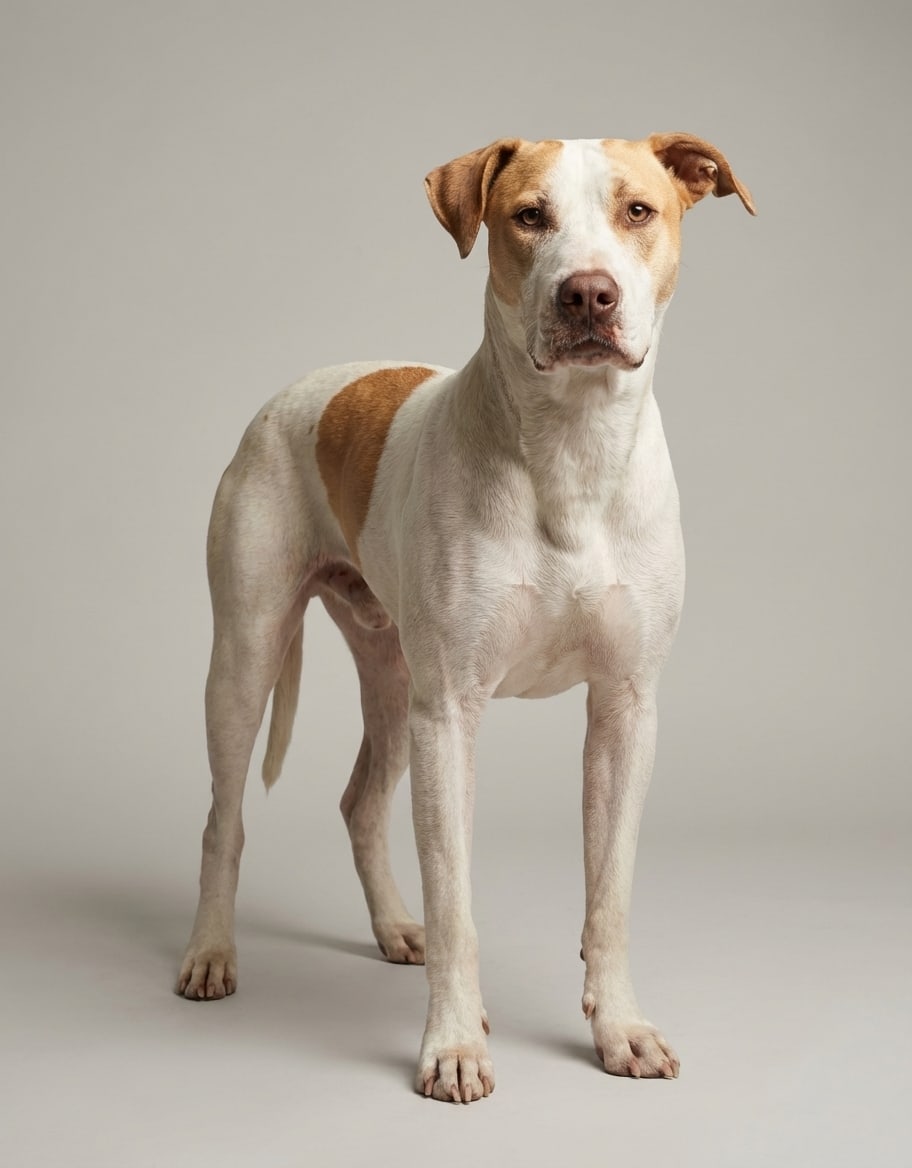
Origin and Historical Significance
The Tibetan Spaniel, a small, assertive breed, originated in the high-altitude regions of Tibet. This breed was initially bred by Buddhist monks for their monastery watchdog and companion roles. Known as a 'little lion' due to their lion-like mane and resemblance to the Snow Lions, these dogs were highly valued for their alertness and confident demeanor. The practice of sending Tibetan Spaniels as gifts to the palaces of China and other Buddhist countries was widespread until as late as 1908, leading to the breed's potential common ancestry with Oriental breeds like the Japanese Chin and the Pekingese.
By the 1890s, Tibetan Spaniels were being bred in the United Kingdom, and the first authenticated reference to them in the United States dates back to a litter born in 1965 from two dogs imported from a Tibetan monastery. The breed was recognized by the Fédération Cynologique Internationale in 1987 and placed in Group 9 Companion and Toy Dogs, Section 5: Tibetan breeds. The AKC followed suit in 1996, recognizing the Tibetan Spaniel as a separate breed.
A 2024 UK study found a life expectancy of 15.2 years for the breed, which is notably higher than the average for purebreds and crossbreeds. This longevity is attributed to the breed's robust health and adaptability to varying living conditions.
Physical Description
The Tibetan Spaniel has a domed head, a short blunt muzzle, and a black nose. Their eyes are medium-sized, set wide apart, and oval-shaped, without extra skin around them, distinguishing them from breeds like the Pekingese. The ears hang down to the cheek level and are feathered with a v-shape. The neck is adorned with a mane of hair, more prominent in males. Their front legs are slightly bowed, and the feet resemble hares. The tail is feathered, set high, and carried over the back. The coat is a silky double coat, short and smooth on the face and leg fronts, medium in length on the body, and has feathering on the ears, toes, and tail.
According to the AKC breed standard, the Tibetan Spaniel grows to about 10 inches (25 cm) at the shoulder and weighs between 9-15 pounds (4.1-6.8 kg). However, slightly larger individuals can often be found outside the show ring. The breed's coat comes in a variety of colors and patterns, with solid colors, parti-colors, and tricolors being the most common.
Temperament and Behavior
Tibetan Spaniels are social dogs that require regular contact with their human companions. They do not tolerate being left alone for extended periods and are emotionally and empathetic to their owners' needs. Despite their protective nature, they are typically aloof with strangers and may bark loudly if startled or uneasy. This breed is fiercely independent and stubborn, often preferring to wander off and explore rather than come when called.
The breed's assertive, independent, and alert temperament is a standard required by both the AKC and FCI breed standards. They are intelligent and can be trained effectively, but their independent nature may sometimes challenge training efforts. Their playful and affectionate nature makes them great companions for families with children, as long as the children are gentle and patient.
Health Considerations
Progressive retinal atrophy (PRA) is a genetic disease that can affect the breed, leading to blindness. The disease is painless and typically presents clinical signs between 1½ and 4 years, though it can occur as late as seven years. The earliest sign is "night blindness," where the dog struggles to see in dimly lit rooms or at dusk. The mutation responsible for PRA in Tibetan Spaniels was identified by Louise Downs during her PhD studies, and a DNA test based on this mutation became available in July 2013.
Portosystemic shunt is another rare condition in Tibetan Spaniels, where an abnormal vessel allows blood to bypass the liver. Symptoms can include poor weight gain, sensitivity to sedatives, depression, seizures, and balance problems. Early diagnosis is often made when a puppy fails to grow, allowing for timely intervention. This condition is particularly important to consider when purchasing a puppy from a breeder, as early detection can be crucial for the dog's health.
Like many dog breeds, Tibetan Spaniels are susceptible to allergies and can experience cherry eye, a prolapsed third eyelid. Their facial shape also makes them prone to a condition called weeping eye, a common cosmetic issue.
Breeder Purpose and Registration
The breeder purpose for the Tibetan Spaniel is categorized as Non-Sporting. This breed is not a spaniel in the traditional sense, as it is a companion dog rather than a hunting dog. The breed was recognized by the AKC in 1984 as a Non-Sporting breed and was accepted for registration. The breed was also recognized by the Fédération Cynologique Internationale (FCI) in 1987, placing it in Group 9 Companion and Toy Dogs, Section 5: Tibetan breeds.
Responsible breeders are actively working to eliminate health issues like PRA within the breed. The International Tibetan Spaniel Working Party collects health data, including PRA history, to assist in this effort. Breeders also focus on maintaining the breed's distinct characteristics, such as the silky coat and alert temperament.
Buying a Tibetan Spaniel: A Practical Checklist
- Ensure the breeder is reputable and has a history of producing healthy dogs.
- Ask about the dog's health history, including any known genetic conditions such as PRA and portosystemic shunt.
- Observe the dog's temperament and behavior to ensure it fits your lifestyle, considering their need for companionship and social interaction.
- Request to see the puppy's parents and other family members to assess the overall health and temperament of the breeding line.
- Ask about the breeder's protocol for puppy socialization and early training to ensure the puppy is well-prepared for its new home.
Cost Realism and Household Matching
The cost of a Tibetan Spaniel can vary, but it typically ranges from $500 to $1500. This includes the purchase price and initial veterinary care, which may include spaying or neutering, vaccinations, and deworming.
Given their social nature and need for companionship, Tibetan Spaniels may not be the best choice for individuals who spend long hours away from home or those looking for a low-maintenance pet.
Frequently Asked Questions
What is the lifespan of the Tibetan Spaniel?
The average lifespan of the Tibetan Spaniel is about 12-15 years. Good nutrition and regular veterinary care support a healthy life.
What is the temperament of the Tibetan Spaniel?
The Tibetan Spaniel is known for: Intelligent, Alert, Independent, Playful, Confident, Affectionate. Its energy level is high.
What size and weight is the Tibetan Spaniel?
It is a medium-sized dog, typically around 4-7 kg as an adult.
Is the Tibetan Spaniel easy to care for?
Reliable grooming and shedding ratings are not available. Routine brushing, ear and dental care, and nail trims are still recommended.
Is the Tibetan Spaniel good with kids and other pets?
Reliable child- and pet-friendliness ratings are not available. Supervised, gradual introductions are recommended.
How much exercise does the Tibetan Spaniel need?
With a high energy level, it needs walks, play or training matched to its stamina.
Tibetan Spaniel
Trait Scores
N/A